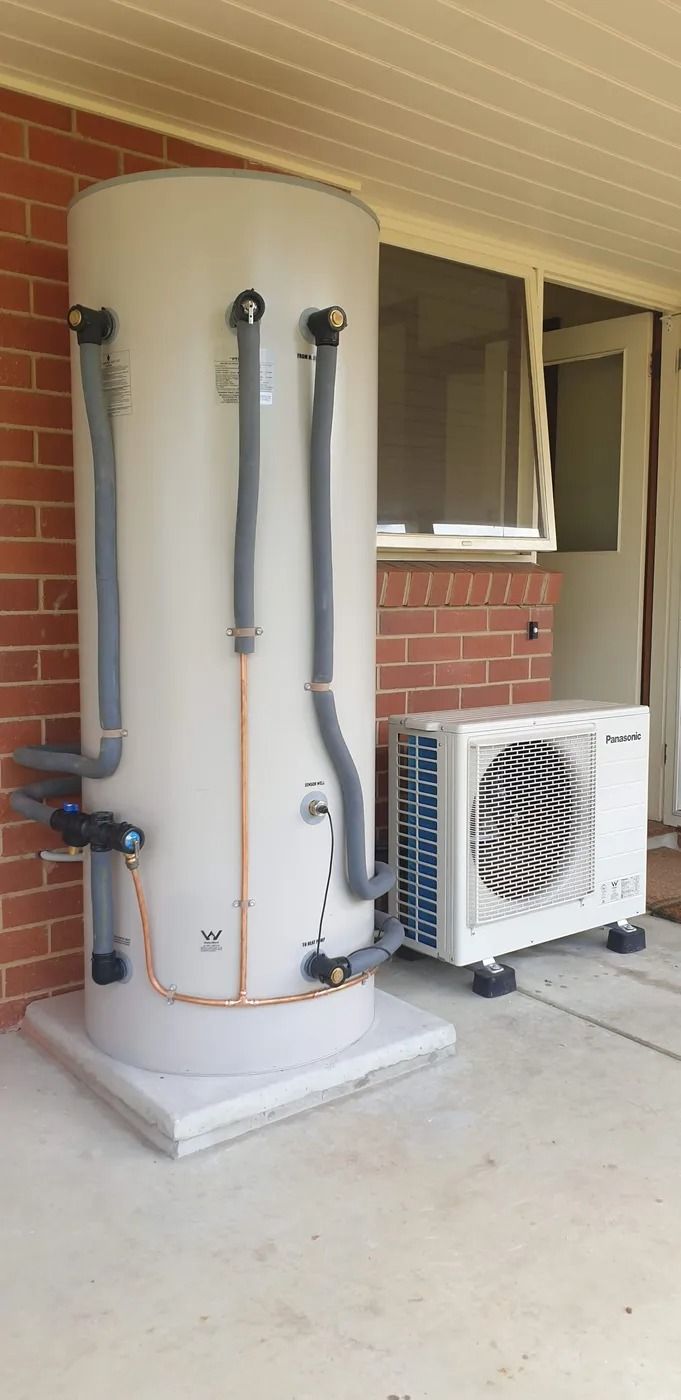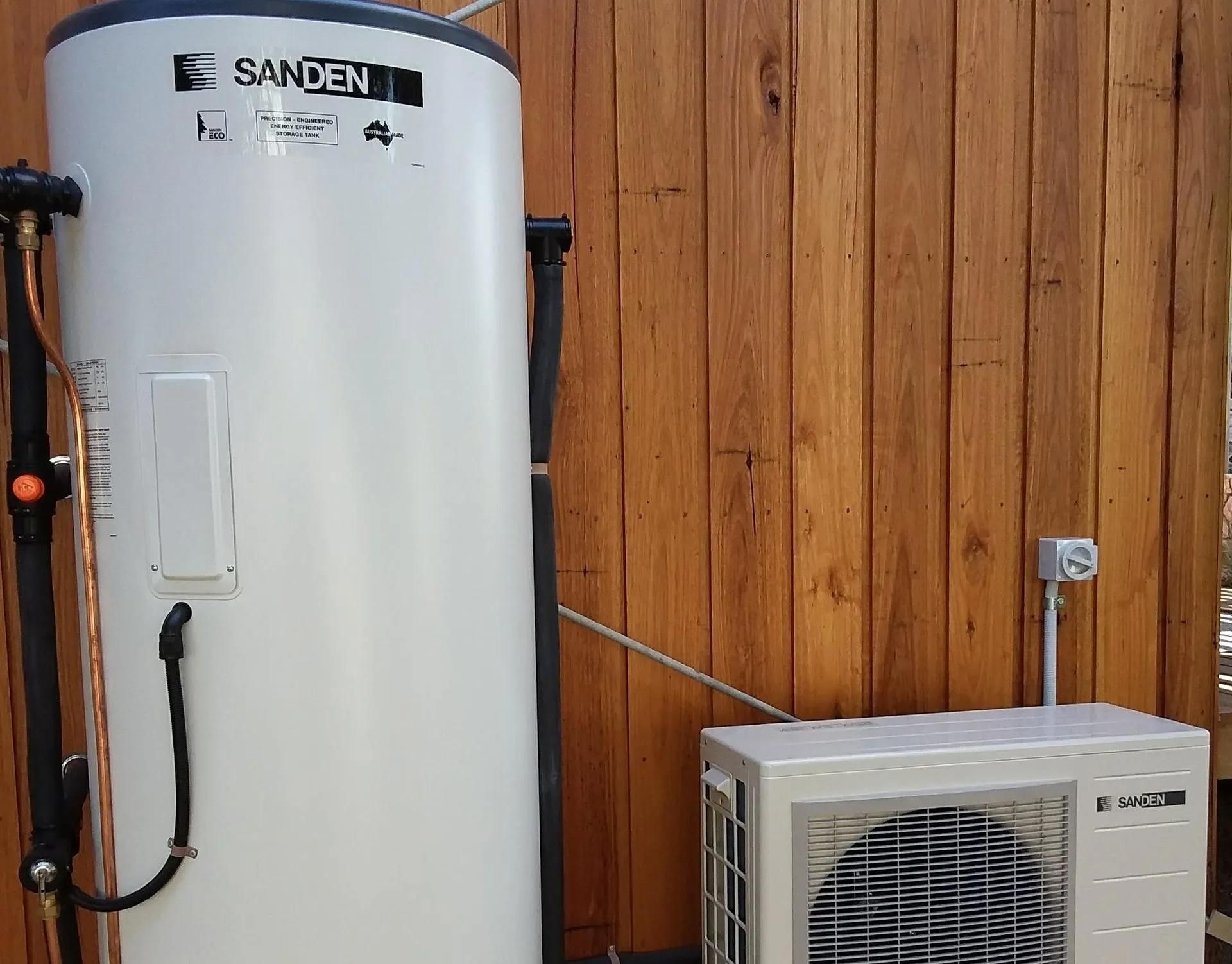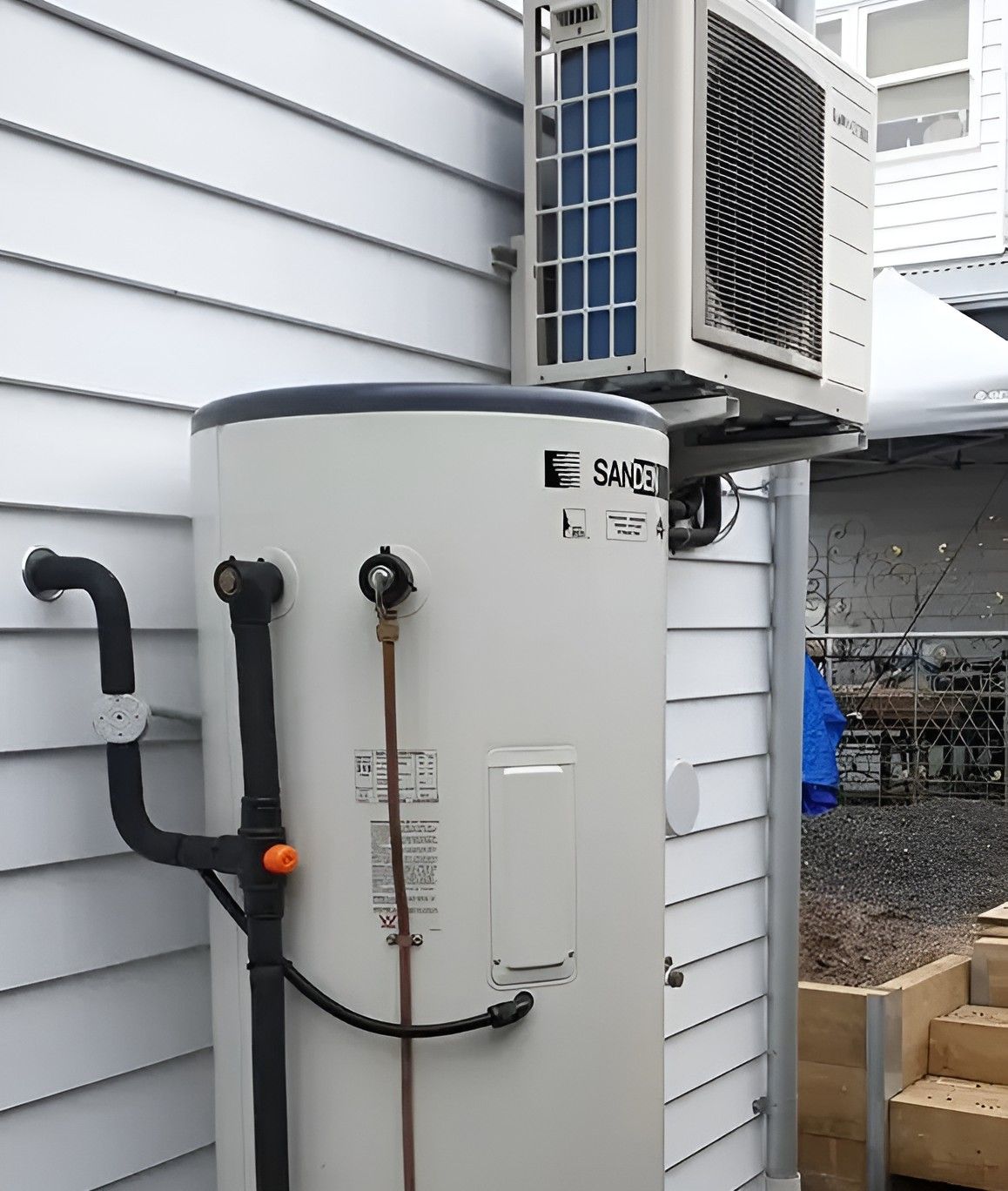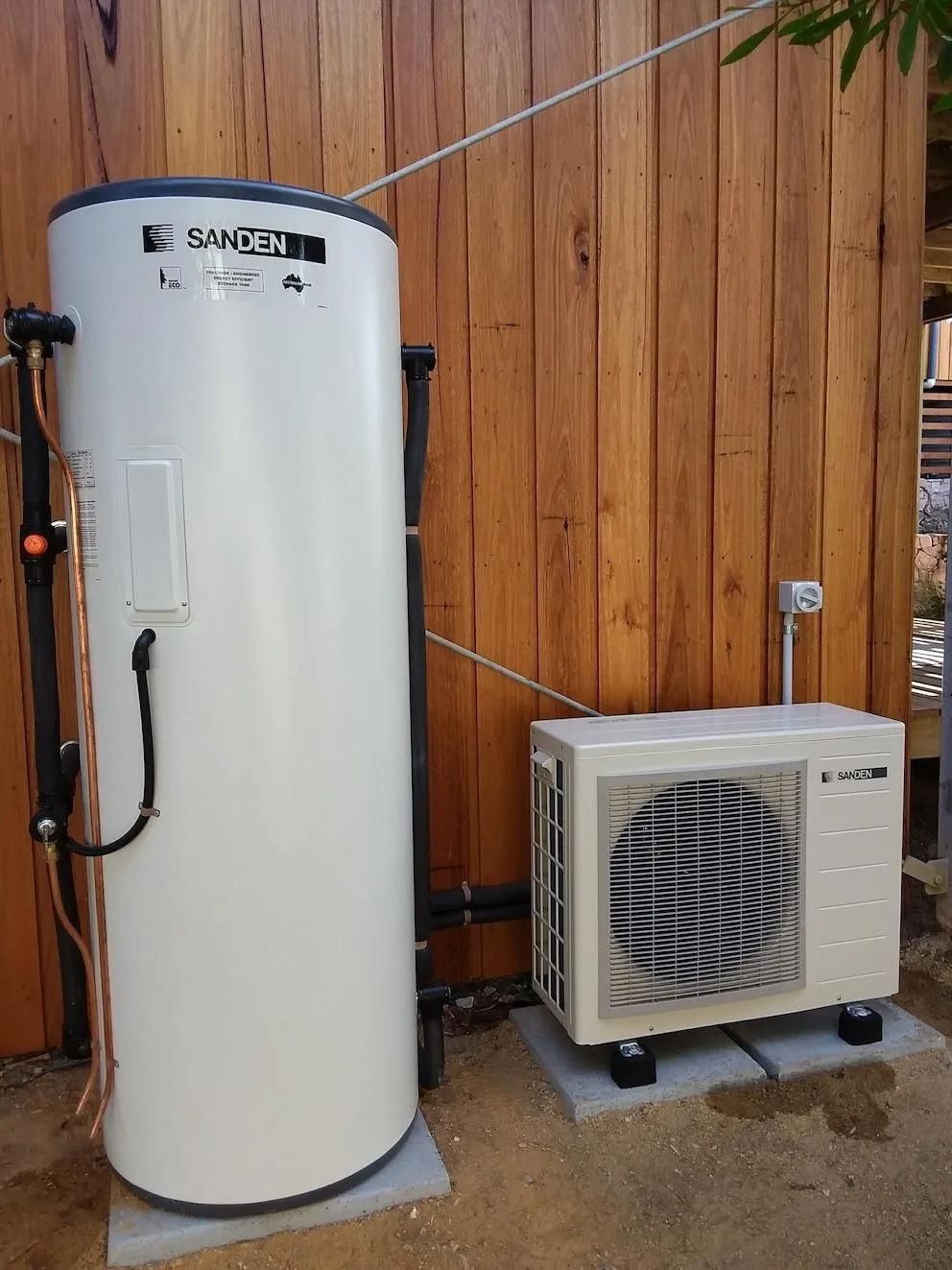
Replacing Gas Hot Water With A Heat Pump In Geelong: What To Expect
Thinking about replacing gas hot water with a heat pump in Geelong? Switching from a gas hot water system to a heat pump is one of the most practical upgrades a Geelong homeowner can make right now. It cuts running costs, reduces reliance on gas, and for most homes the changeover is far simpler than people expect. Here's what actually happens, from the first inspection to the final commissioning.
Why Geelong Homeowners Are Switching From Gas To Heat Pumps
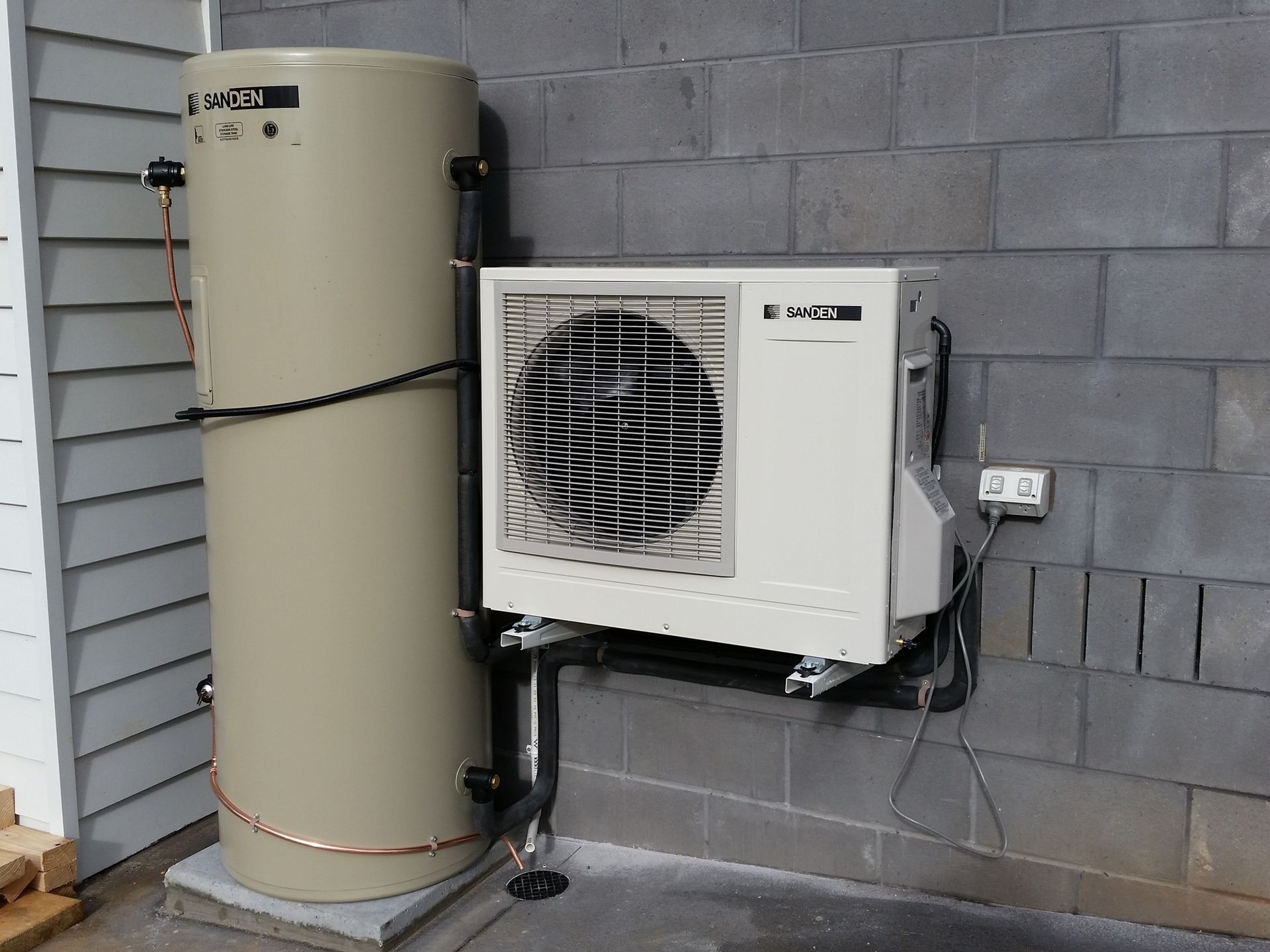
Gas prices have been climbing, and many households are re-evaluating what's actually powering their hot water. A heat pump hot water Geelong system pulls heat from the surrounding air to warm your water, using a fraction of the energy a gas booster or gas storage unit needs to do the same job.
For Geelong's coastal and inland climate, heat pumps perform well across most of the year, with only the coldest overnight stretches requiring the system to lean on its electric backup element. Homeowners are also switching because gas hot water units are ageing out. Many gas systems installed in the last housing boom are now reaching the end of their 10 to 12 year lifespan, and replacing like-for-like no longer makes financial sense when a heat pump delivers lower bills over the same period.
There's also a practical driver: some new builds and renovations in Victoria are moving away from gas connections altogether, and existing homeowners are following that shift ahead of any future changes to gas supply or pricing.
If you'd like to understand more about how these systems work, we've covered it in our guide on how heat pumps can transform your home's hot water system.
What Happens During A Gas-To-Heat-Pump Changeover
A gas-to-heat-pump conversion isn't just a straight swap. It's a full system change, and understanding the steps helps set expectations.
- Site assessment. A technician inspects your existing gas unit, checks available space for the new heat pump (they need airflow clearance around the unit), and confirms your electrical switchboard can handle the additional load.
- Gas disconnection. The old gas hot water unit is decommissioned and disconnected by a licensed gasfitter, and the redundant gas line is capped off safely.
- Removal of old unit. The existing tank is removed from site.
- Heat pump installation. The new unit is positioned, connected to your plumbing, and wired into a dedicated electrical circuit.
- Commissioning and testing. The system is powered on, water temperature and pressure are checked, and the technician walks you through the settings.
For example, a typical Geelong West home with an ageing 25-year-old gas storage unit might go from booking to hot water running through the new heat pump within a single working day, assuming no major electrical upgrades are needed.
Do You Need To Upgrade Your Electrical Or Plumbing Setup
In most cases, existing plumbing connections can be reused with minor adjustments, since the pipework running to and from the unit is largely the same regardless of energy source. Electrical work is where the real variation happens.
Heat pumps need a dedicated circuit, and older homes, particularly those with switchboards that haven't been updated in 15-plus years, sometimes need a switchboard upgrade to safely accommodate the new load. A technician will confirm this during the site assessment rather than guessing from a phone call, because every property's wiring history is different.
If your home already has other electric appliances like an induction cooktop or EV charger, it's worth flagging this upfront so the electrical capacity of the whole property is assessed together, not just for the hot water system in isolation.
How Long Does The Switch Take
For a straightforward changeover with no electrical upgrades required, most installations are completed in a single day. If a switchboard upgrade or additional circuit work is needed, the job may extend into a second day, or be split across two visits if parts need to be ordered.
Weather and access also play a role. Heat pumps are installed outdoors, so units on tricky sites (tight side passages, elevated positions) can take longer to manoeuvre into place than a straightforward ground-level install.
What It Costs To Replace A Gas System With A Heat Pump
Costs vary depending on the size of the heat pump required (based on household hot water usage), whether electrical upgrades are needed and the complexity of removing the old gas system. A larger household with high hot water demand will need a bigger-capacity unit than a couple or single occupant, which affects the upfront cost.
Beyond the unit and installation, the other cost factor is what you save afterwards. Heat pumps typically use significantly less energy than gas boosted or gas storage systems to heat the same volume of water, which shows up as a lower ongoing energy bill. According to industry best practice, most homeowners weigh the upfront cost against several years of reduced running costs rather than treating it as a one-off expense.
Our heat pump installation Geelong team handles the full changeover, from disconnecting the old gas unit to commissioning the new system, and can provide a fixed quote once the site assessment is done.
Rebates And Incentives Available In Victoria
Victoria offers financial incentives specifically designed to encourage households to move away from gas hot water. Many homeowners offset part of the cost through the Victorian Energy Upgrades rebate, which our team can help you check eligibility for based on your household size and the system being replaced.
Eligibility and rebate amounts depend on factors like your current system type, the replacement unit's efficiency rating and whether you're accessing the rebate through an accredited provider. It's worth checking your eligibility before booking an installation date, since rebate amounts and criteria are reviewed periodically.
Is Switching From Gas Worth It For Your Home
For most Geelong homeowners still running an ageing gas system, the answer comes down to three things: how old your current unit is, how much hot water your household uses and whether you're planning to stay in the property long enough to benefit from lower running costs.
If your gas hot water system is nearing the end of its life anyway, replacing it with a heat pump avoids paying for a new gas unit that you'd likely want to replace again within the decade. If you're renovating, adding solar, or already moving other appliances to electric, a heat pump fits naturally into that broader shift.
If you're thinking about replacing gas hot water with a heat pump in Geelong, our team installs heat pumps in Geelong for homes moving away from gas, starting with a straightforward site assessment to confirm what your home needs.
Frequently Asked Questions
Do I need to keep my gas connection after switching to a heat pump for hot water?
Not necessarily. If hot water was your only gas appliance, you can disconnect the gas supply entirely once the heat pump is installed. If you still use gas for cooking or heating, your gasfitter will simply cap off the redundant hot water line.
Will a heat pump keep up with hot water demand in a larger household?
Yes, provided the unit is sized correctly for your household. A technician assesses your typical hot water usage during the site visit and recommends a tank capacity that matches your demand.
Is a heat pump noisier than a gas hot water system?
Heat pumps do produce some operational noise from the fan and compressor, similar to an air conditioning outdoor unit, but modern units are designed to run quietly and are positioned with placement guidelines in mind to minimise disturbance.
Can I install a heat pump if I don't currently have gas hot water?
Yes, this same process applies to homes replacing an old electric storage system as well. The main consideration is still electrical capacity and available installation space.
How long do heat pump hot water systems typically last?
With regular servicing, heat pump systems are built to have a comparable or longer lifespan than a standard gas storage unit, though actual longevity depends on water quality, usage patterns and maintenance.
Does switching to a heat pump affect my home's energy efficiency rating?
Moving to an efficient electric hot water system, especially alongside solar, generally supports a higher household energy efficiency outcome, which can be relevant if you're renovating or planning to sell.