Can Hydronic Heating in Geelong Also Cool Your Home?
Hydronic heating keeps homes comfortable through Geelong’s colder months, but what happens when summer arrives? With the right equipment, the same system can help cool your home and even provide hot water. If you’re considering
hydronic heating in Geelong, it’s worth exploring options that go beyond winter warmth. The key is understanding what a reversible heat pump can do and why cooling needs more than standard floor pipes or radiators.
What Hydronic Heating and Cooling Means for Geelong Homes
Hydronic systems use water to move heat around a building. During winter, warm water circulates through underfloor pipes, radiators or other suitable units to heat living spaces. With a compatible reversible heat pump, the system can also produce chilled water during summer. There’s an important catch: the equipment that warms a room is not necessarily designed to cool it. Effective hydronic cooling usually calls for dedicated fan coil units, appropriate controls and insulated pipework. That makes early planning worthwhile, particularly if you’re building a new home or comparing heating and cooling in Geelong for an existing property.
Does Hydronic Heating Use Gas or Electricity?
Hydronic heating describes the water-based distribution method, not the fuel. Older installations may use a natural gas or LPG boiler, while modern systems can run on an electric air-to-water heat pump. An electric hydronic heating heat pump works by transferring heat rather than generating all its warmth through combustion. In heating mode, it draws energy from outside air and transfers it to the water circuit. A reversible model can change direction to remove heat from circulating water for cooling.
If you already have a gas boiler, an upgrade needs more consideration than swapping one unit for another. Existing radiators, required water temperatures and pipework all affect compatibility. Our guide to
replacing an old gas hydronic boiler explains the questions worth asking.
How One Reverse Cycle Heat Pump Handles Heating, Cooling and Hot Water
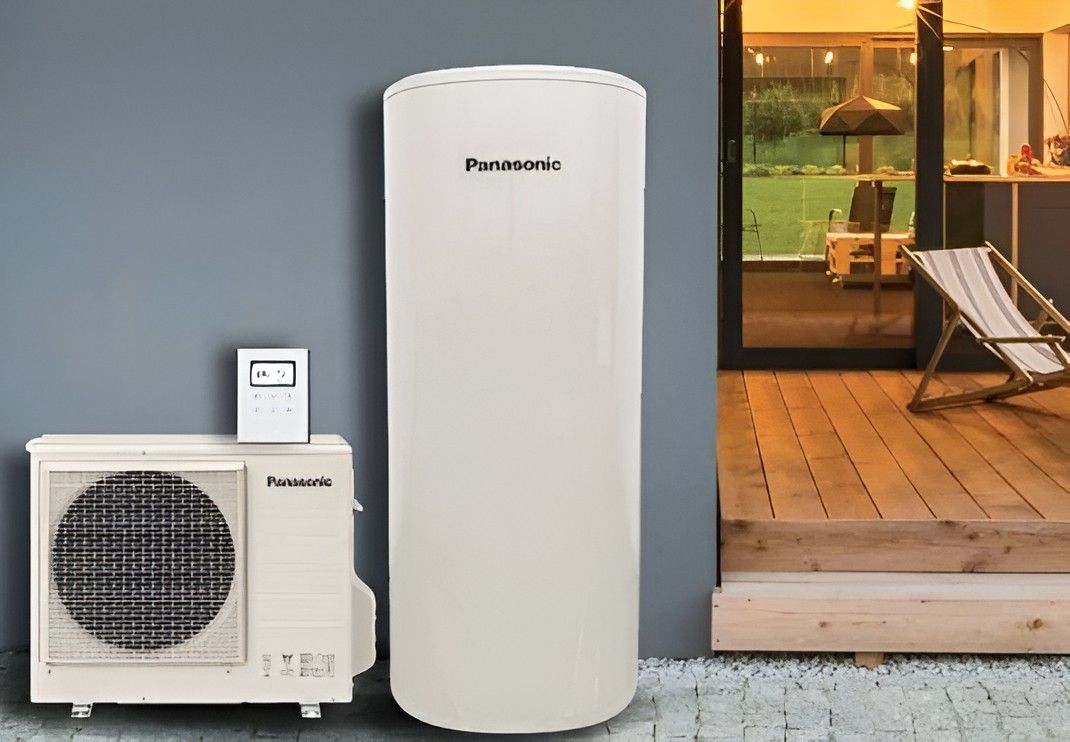
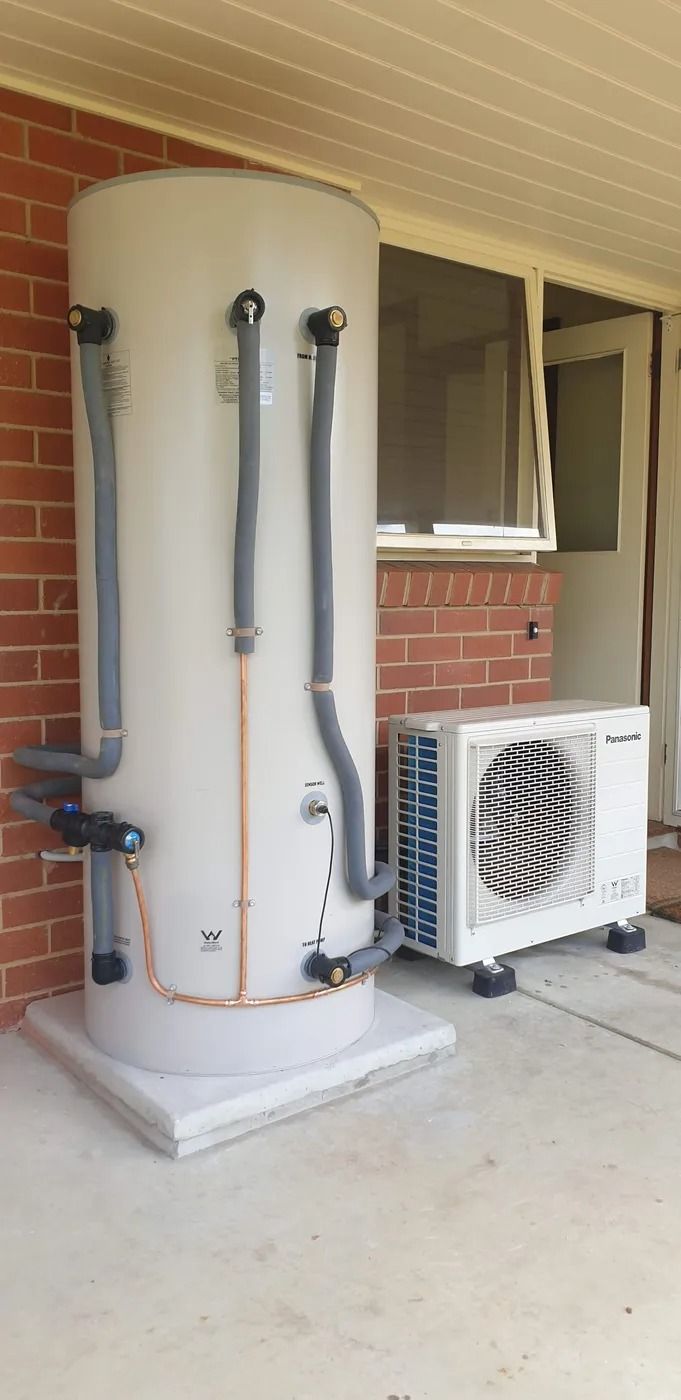
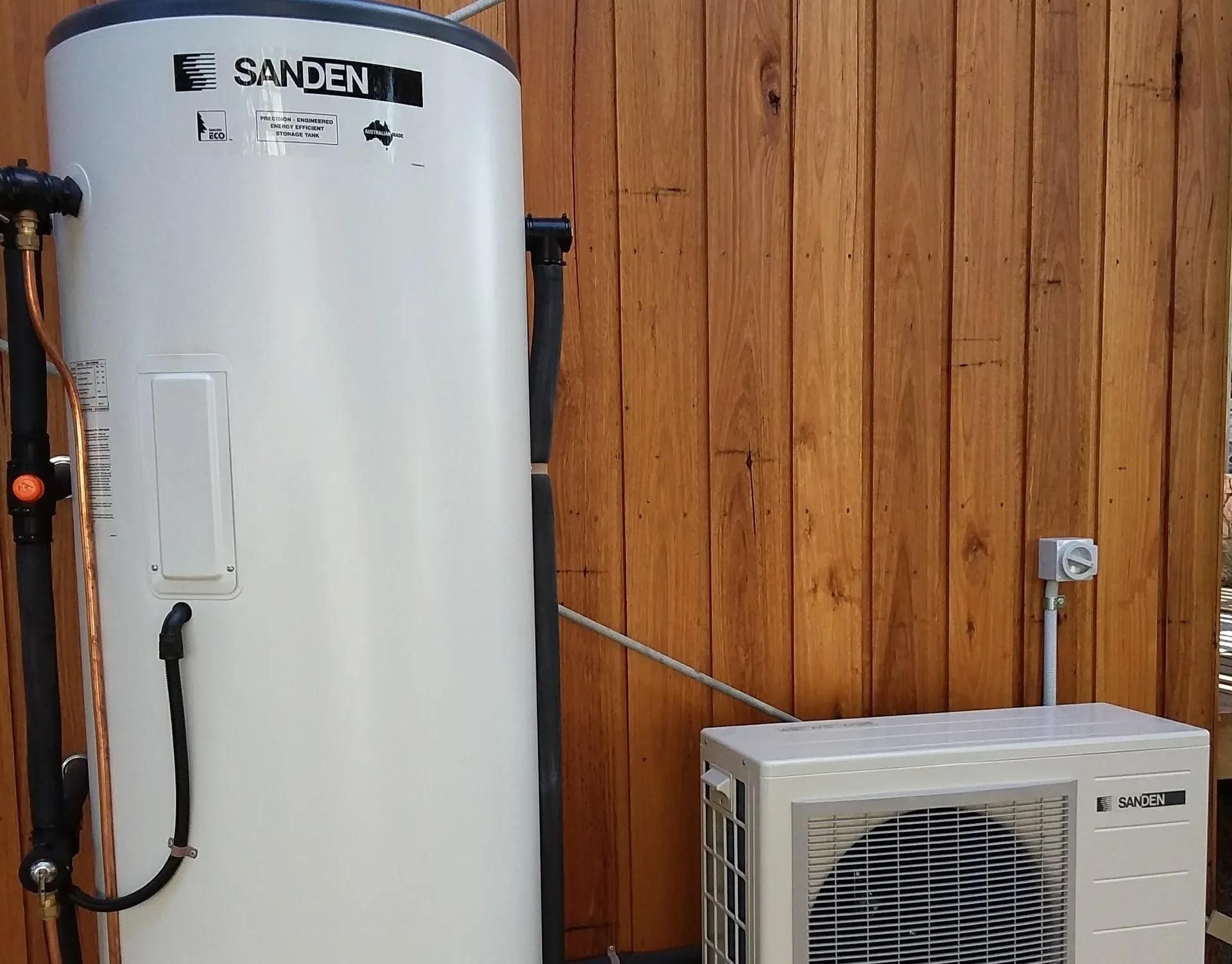
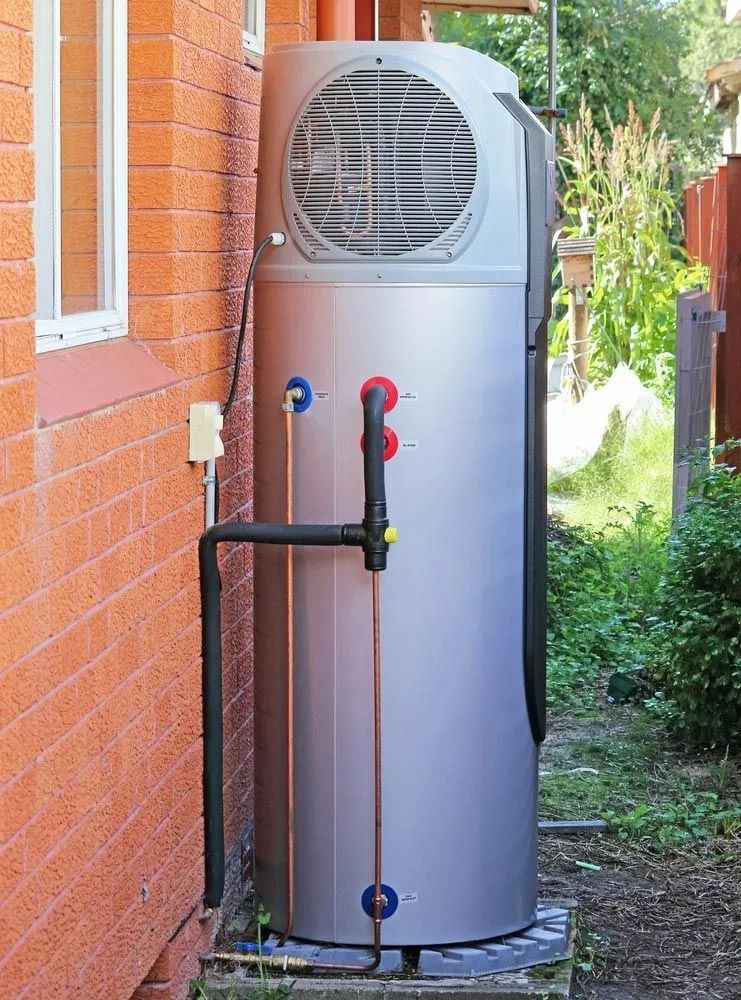
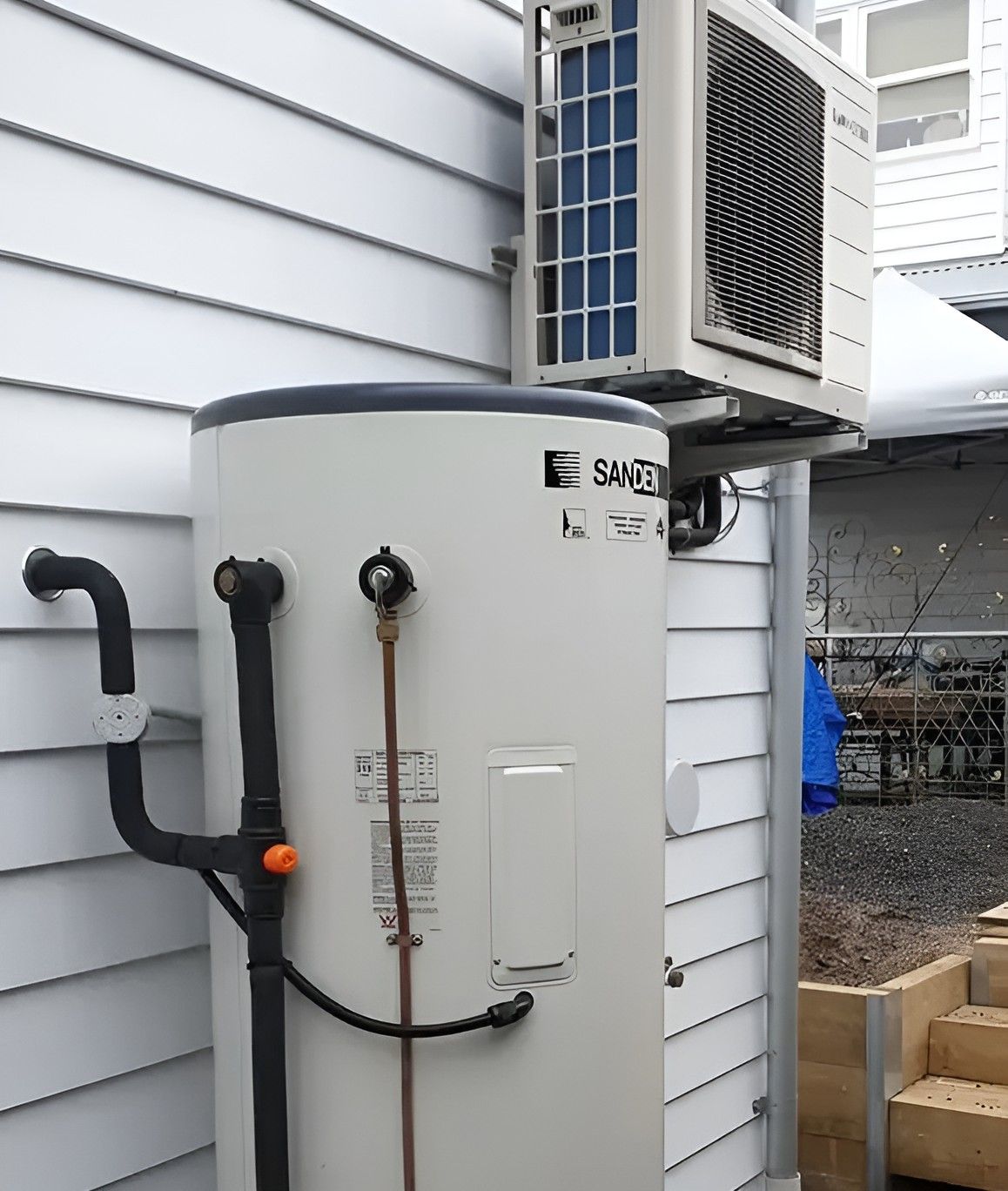
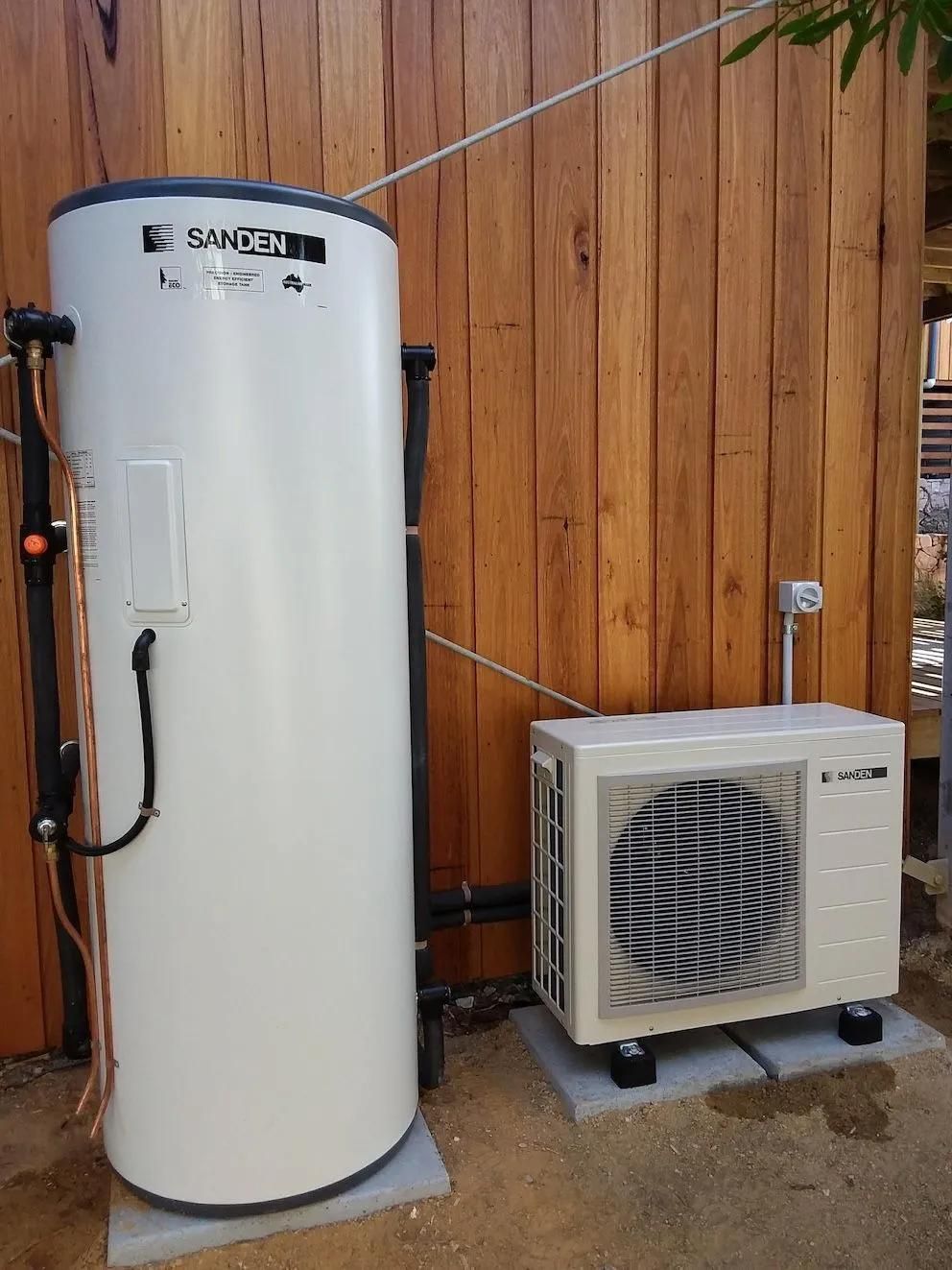
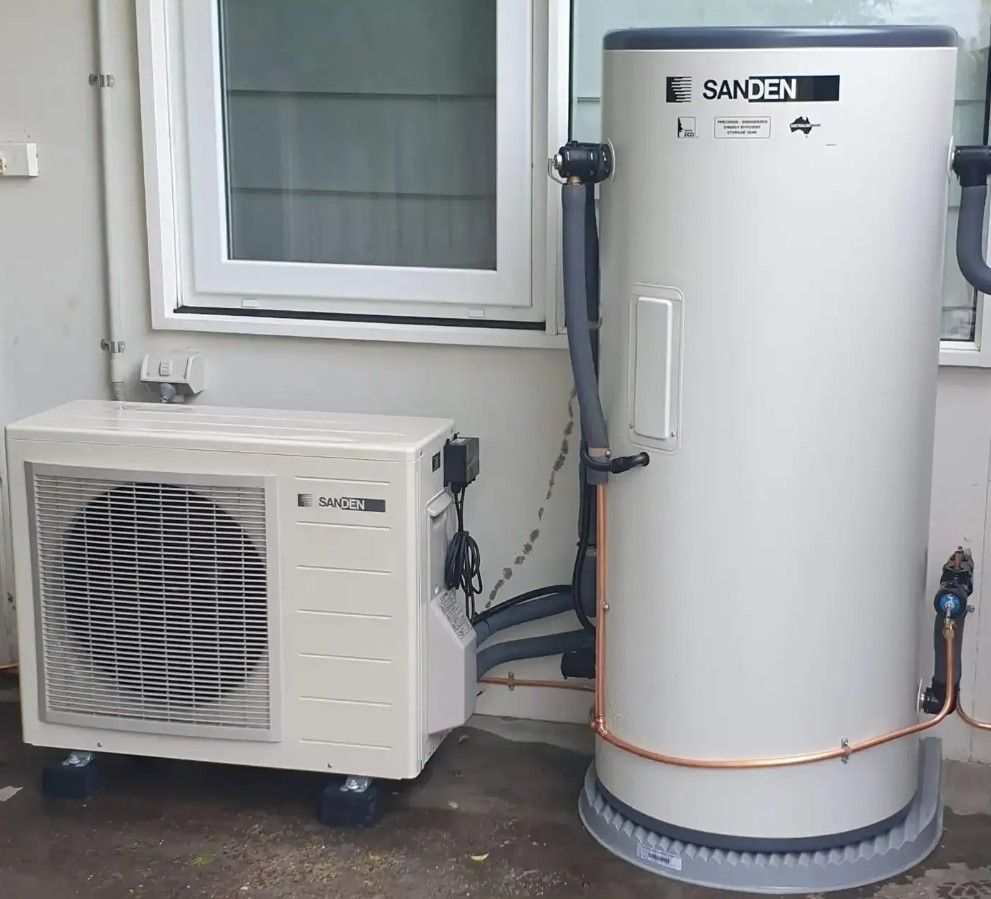
A suitable reverse-cycle air-to-water heat pump can serve several household needs. In winter, it heats water for the hydronic circuit. In summer, it can produce chilled water for compatible cooling units. Some systems can also supply domestic hot water when connected to an appropriately designed storage and control arrangement. This doesn’t mean every unit provides all three functions, or that heating, cooling and hot water can always run at the same time. The design must account for the selected equipment, storage capacity, temperatures and how the system prioritises different demands.
For a closer look at the technology, explore our variety of options for heat pumps in Geelong. We also explain buffer tanks, circulation and controls in our article on how hydronic heating works with heat pumps.
Why In-Slab Loops and Panel Radiators Aren’t Used for Cooling
Standard hydronic floor loops and panel radiators are made primarily for heating. Running cold water through them without redesigning the system can create problems, particularly condensation. When a surface gets colder than the air’s dew point, moisture can form on it. That’s a concern for floors, fittings and pipework, especially during humid coastal weather.
Radiators also have limited cooling capacity, and neither standard radiators nor floors provide the same active humidity removal as a cooling coil. Purpose-designed radiant floor cooling is possible with careful temperature and dew-point controls, but it generally provides gentler cooling rather than the rapid temperature reduction many households expect from air conditioning. Existing heating circuits should therefore be assessed rather than assumed suitable for summer use.
How Fan Coil Units Deliver Cooling on Humid Coastal Days
Fan coil units are designed to transfer heat between room air and water. Chilled water passes through a coil while a fan moves indoor air across it. Cooler air returns to the room, and when the coil is cold enough, moisture in the air condenses onto its surface and drains away through a dedicated outlet. That ability to remove humidity can make a noticeable difference during muggy weather around Geelong and the Bellarine Peninsula. Advice about hydronic heating in Melbourne can be useful, but the coastal conditions and layout of your own home still need to shape the design. Properly insulated chilled-water pipes, condensate drainage and controls are essential parts of the installation.
Consider a hypothetical new build with hydronic floor heating throughout. The owners might retain the floor loops for winter comfort and add fan coil units to selected rooms for summer cooling. A compatible reversible heat pump could support both, without expecting the floor itself to do all the cooling.
Is Hydronic Heating Expensive to Run?
If you’re asking whether hydronic heating is expensive to run, the answer depends on the home and system. Important factors include insulation, heat pump efficiency, electricity tariffs, system settings and the amount of heating or cooling required. A correctly designed heat pump can be more energy-efficient for space heating than a conventional gas boiler, but the actual bill depends on the property and how the system operates. Water temperature matters too. Heat pumps often work more efficiently when they don't need to produce very hot water, which is one reason underfloor heating can be a good match. Cooling costs are influenced by the chosen fan coils, chilled-water temperatures and fan operation.
If you're comparing hydronic heating in Geelong with other options, consider installation costs alongside likely energy use, maintenance and whether the equipment can meet the needs of each room. A tailored assessment is more useful than a blanket savings claim.
Hydronic Cooling vs Air Conditioning: Which Suits Your Home?
Both can cool your home, but they use different distribution methods. Hydronic cooling sends chilled water to fan coil units. Conventional split and ducted air conditioners typically use a refrigerant-based cooling circuit and deliver cooled air to indoor spaces. If you're already planning hydronic heating, integrating suitable cooling equipment may be worth exploring. If you mainly want to cool a bedroom or living area, a split system could be simpler to install. Ducted air conditioning may suit homes where centrally distributed cooling is the main priority.
The best choice depends on your layout, insulation, existing services, available installation space and budget. We also provide
Panasonic air conditioners in Geelong, giving homeowners another option to consider where an air-based system is the better fit.
Why Choose Sunworks Eco Plumbing for Hydronic Heating and Cooling in Geelong?
At Sunworks Eco Plumbing, we supply and install hydronic heating and heat pump solutions for Geelong homes. Our Ambient air-to-water heat pump options can support heating and, when paired with appropriate equipment, summer cooling. We can also discuss how a compatible system may work with your household's hot water needs. Whether you're planning a new build or reviewing an older installation, we can help you understand the practical considerations, including heat pump selection, existing pipework and the additional equipment needed for cooling.
The main takeaway: a reversible heat pump can make hydronic heating part of a year-round comfort solution, but cooling must be designed into the system. Standard radiators and in-slab pipes aren't automatic substitutes for air conditioning. To explore the right setup for your property,
contact Sunworks Eco Plumbing. We'll discuss your home's heating, cooling and hot water requirements and help you assess the available options.
FAQs
Can I add hydronic cooling to an existing home?
Sometimes. The feasibility depends on space for fan coil units, chilled-water pipework, drainage and whether your existing heat source is suitable. An assessment can identify what needs replacing or adding.
Can each room have its own temperature setting?
Separate zones are possible with the right fan coil units and controls. The level of independent control depends on the system design and how the zones share heating and cooling equipment.
Are fan coil units noisy?
Fan coil units have moving fans, so they produce some sound during operation. Noise levels differ by model, installation position and fan speed, making product selection particularly important for bedrooms.
Can hydronic cooling work in an apartment?
It may be possible where there is sufficient room for equipment, pipework and safe condensate drainage. Building approvals, access and owners corporation requirements can affect feasibility.
Is it easier to include cooling during a new build?
Usually, because equipment locations, insulated pipes and drainage can be planned before walls and ceilings are finished. Retrofitting is still possible in some homes, although it may require additional building work.