How Much Does a Heat Pump Hot Water System Really Cost to Run?
Heat pump running costs are typically lower than gas or standard electric hot water systems, because a heat pump moves heat from the surrounding air rather than generating it directly. How much lower depends on your household size, your hot water usage patterns and the specific system you install.
What Affects The Running Cost Of A Heat Pump Hot Water System
A heat pump's running cost isn't a fixed number. It shifts based on a handful of factors that vary from household to household.
Climate plays a role, since heat pumps draw warmth from the surrounding air and work more efficiently in milder conditions than they do on the coldest overnight temperatures. Tank size and system capacity matter too. A unit sized correctly for your household runs efficiently, while an undersized unit works harder and more often to keep up with demand.
Your electricity plan and tariff structure also affect the final cost, since heat pumps that run on off-peak or controlled load tariffs can cost less to operate than those running purely on standard rates. Finally, the efficiency rating of the unit itself makes a real difference. Higher-efficiency systems extract more heat energy per unit of electricity used, which translates directly into lower running costs over the life of the system.
Average Running Costs Compared To Gas And Electric Systems
Heat pump hot water systems typically cost less to run over time than traditional gas or electric units. This comes down to how each system generates heat.
A standard electric storage system heats water using a resistive element, converting electricity directly into heat on a roughly one-to-one basis. A gas storage or instantaneous system burns gas to heat water, with running costs tied to gas pricing rather than electricity. A heat pump instead uses electricity to run a compressor that extracts existing heat from the air, which means it can produce several units of heat energy for every unit of electricity it consumes.
According to industry best practice, this efficiency advantage is what typically gives heat pumps the lowest running costs of the three system types over a comparable period, though the exact gap depends on your specific electricity rates, gas pricing and usage habits. If you're weighing up your options, our comparison of
heat pump hot water systems versus standard electric storage systems breaks down the key differences.
How Household Size Impacts Ongoing Costs
Hot water usage scales with household size, and that has a direct effect on running costs regardless of which system you choose. A single occupant or couple uses noticeably less hot water than a family of four or five, which means the tank works less often and the running cost stays lower.
Larger households need a bigger-capacity tank to avoid running short of hot water during peak usage times. A correctly sized heat pump for a larger household will draw more energy overall simply because it's heating more water, but it still runs more efficiently per litre than an equivalent gas or electric system of the same capacity.
For example, a two-person household with a smaller tank will generally see lower running costs than a family of five with a larger tank, even though both are running the same type of system. This is why sizing the system to actual household usage matters more than comparing running costs in isolation.
Ways To Reduce Your Heat Pump's Running Costs
There are several practical steps homeowners can take to keep running costs as low as possible once a heat pump is installed.
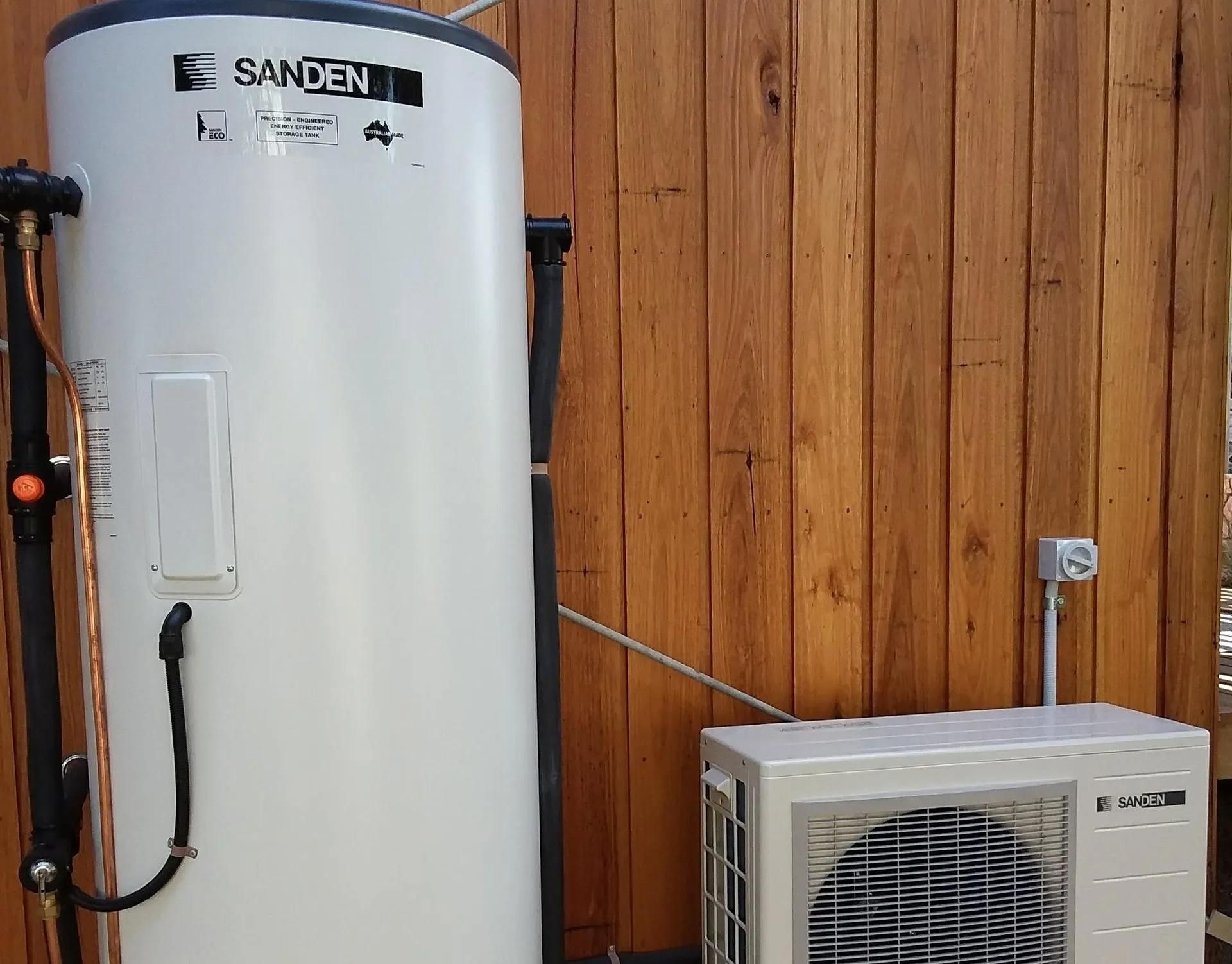
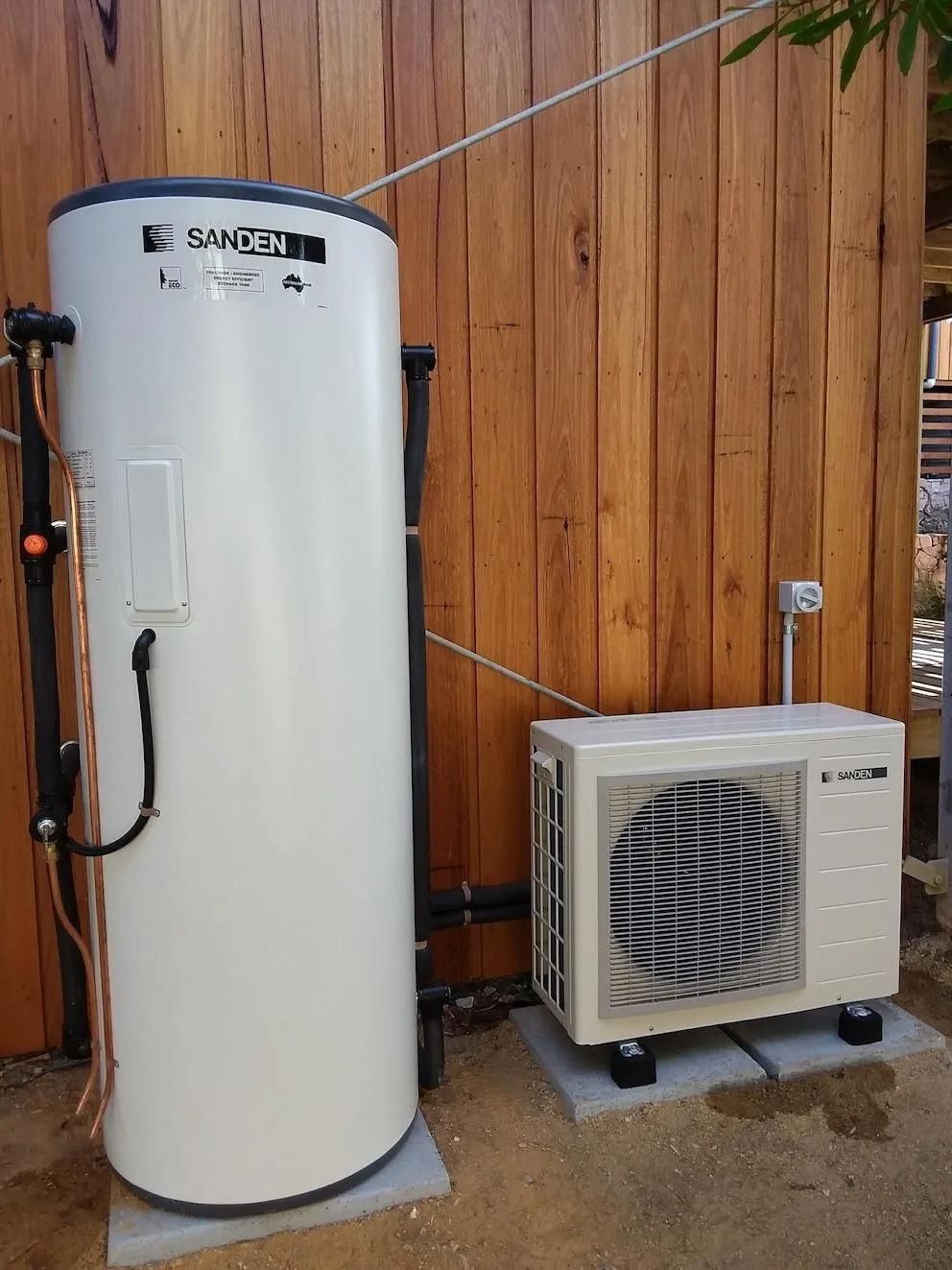
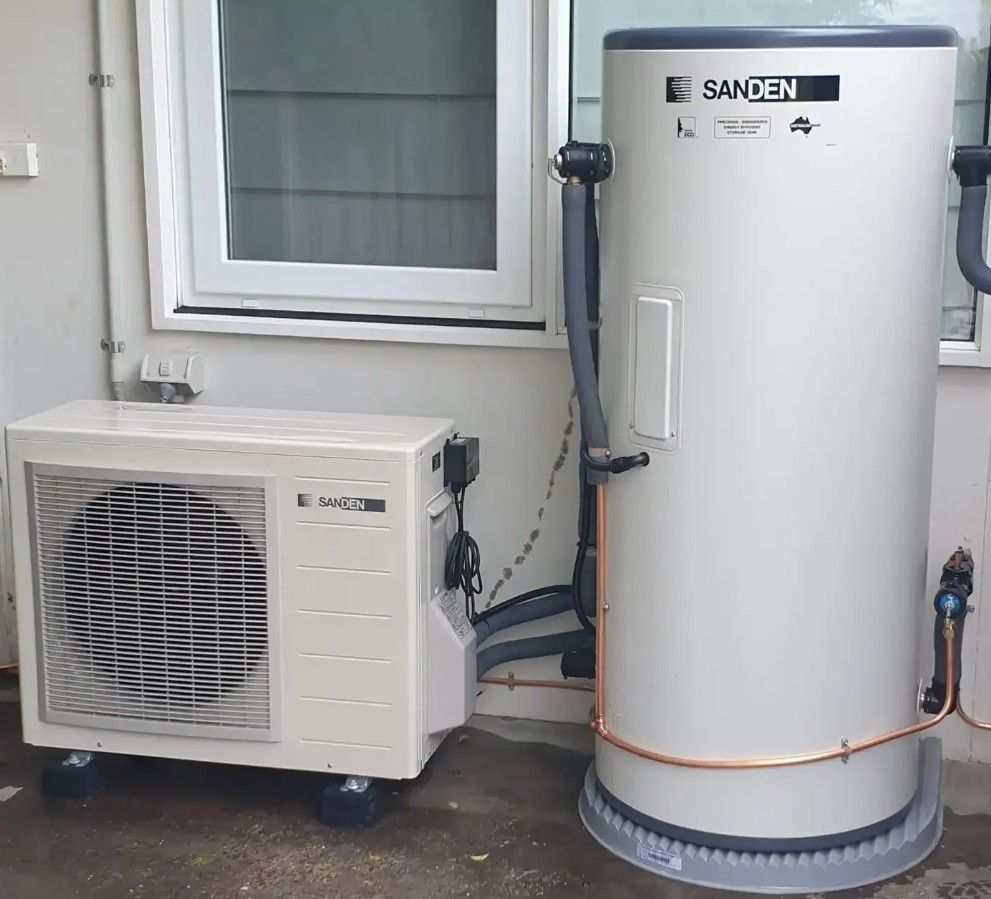
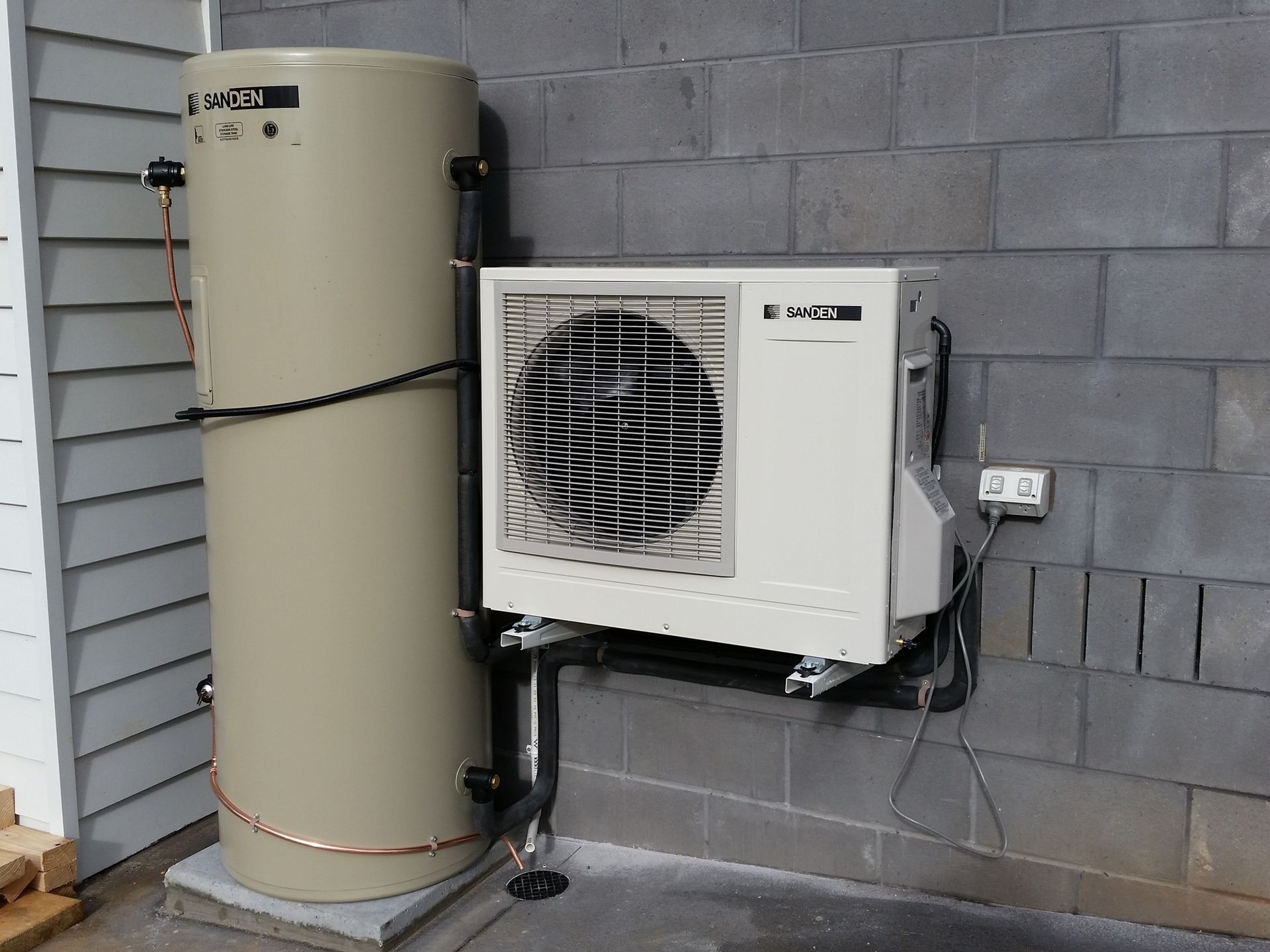
- Choose a high-efficiency unit. A high-efficiency system like a Sanden heat pump can further lower ongoing running costs compared to a standard-efficiency model.
- Match tank size to household demand. An oversized tank wastes energy reheating water you don't use, while an undersized tank runs its backup element more often.
- Use off-peak or controlled load tariffs where available. Running the heat pump during cheaper electricity periods can meaningfully reduce the cost per heating cycle.
- Keep up with servicing. Regular servicing keeps the compressor and heat exchanger working efficiently, preventing the gradual efficiency loss that comes with a neglected system.
- Consider pairing with solar. Running a heat pump during daylight hours when solar generation is highest can reduce grid electricity draw significantly.
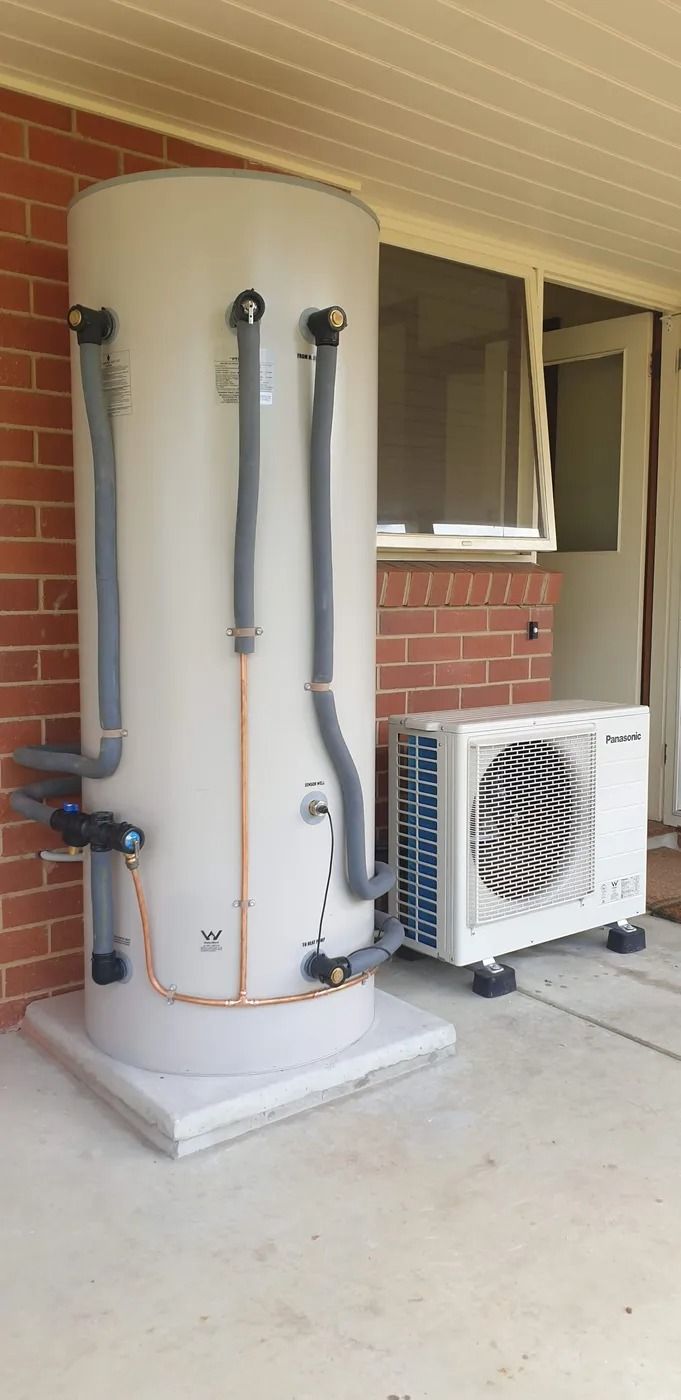
Panasonic heat pump systems are another energy-efficient option worth comparing before you decide, particularly Panasonic heat pump warranty terms and climate performance.
Is A Heat Pump Cheaper To Run Long Term
Over the life of the system, a heat pump typically works out cheaper to run than a comparable gas or standard electric unit, largely because it needs less energy input to produce the same amount of hot water. The upfront cost of a heat pump is usually higher than a standard electric storage unit, so the long-term savings need time to offset that initial investment.
For most households replacing an ageing gas or electric system, the running cost savings accumulate steadily across the system's lifespan, which is generally comparable to or longer than a standard gas or electric unit with proper maintenance. Homeowners planning to stay in their property for several years or more tend to see the clearest financial benefit from making the switch.
Understanding your heat pump running costs upfront makes it easier to budget for the switch and compare systems properly.
Heat pump hot water systems typically cost less to run over time than traditional gas or electric units, and
our team can help you work out which system size and model suits your household.
Frequently Asked Questions About Heat Pump Costs
Is a heat pump more expensive to run than gas hot water?
No, a heat pump typically costs less to run than a gas hot water system, since it uses electricity more efficiently to move heat rather than burning gas to generate it directly.
How does household size affect heat pump running costs?
Larger households use more hot water, which means more energy is used overall, but a correctly sized heat pump still runs more efficiently per litre heated than an equivalent gas or electric system.
Does the climate affect heat pump running costs in Geelong?
Heat pumps generally run more efficiently in milder conditions and slightly less efficiently during the coldest overnight periods, when the system may lean on its backup electric element.
Can pairing a heat pump with solar reduce running costs further?
Yes, running a heat pump during daylight hours when solar generation is highest can reduce how much electricity you draw from the grid.
Do I need to service my heat pump to keep running costs low?
Yes, regular servicing helps the compressor and heat exchanger keep working efficiently, which prevents the gradual efficiency losses that come with a neglected system.
Is a more expensive heat pump always cheaper to run?
Not necessarily. Running costs depend on efficiency rating, correct sizing for your household and how the system is used, so a higher price tag doesn't automatically guarantee lower running costs.