Is Hydronic Heating Worth It For A Geelong New Build?
If you are building in Geelong and hydronic heating has come up as an option, you are asking the right question at exactly the right time.
Hydronic heating in Geelong is most cost-effectively installed during construction, specifically before the concrete slab is poured, and that window closes permanently once the floor is down. This guide gives you a straight answer on whether it is worth committing to during your build, what it costs, and where a high-efficiency split system might be the smarter call instead.
Is Hydronic Heating Worth It for a Geelong New Build? The Short Answer
For most Geelong new builds of a reasonable size, yes — particularly when the alternative is installing it later. The case for hydronic heating in Geelong is strongest for homes over 150 square metres in growth corridors like Armstrong Creek, Charlemont and Torquay North, where cool-temperate winters mean consistent, whole-home heating is a daily reality for four to five months of the year.
Radiant floor heating warms surfaces and objects from the floor up rather than heating air at ceiling height. The result is a more even, draught-free warmth that most people find noticeably more comfortable. It also runs at lower water temperatures than traditional radiator systems, which is precisely why pairing hydronic in-slab heating with a heat pump for new construction makes so much sense. If you are still getting your head around the technology, a guide on how hydronic heating works with a heat pump walks through how the components fit together.
Why the Slab-Pour Stage Is the Cheapest Time to Install
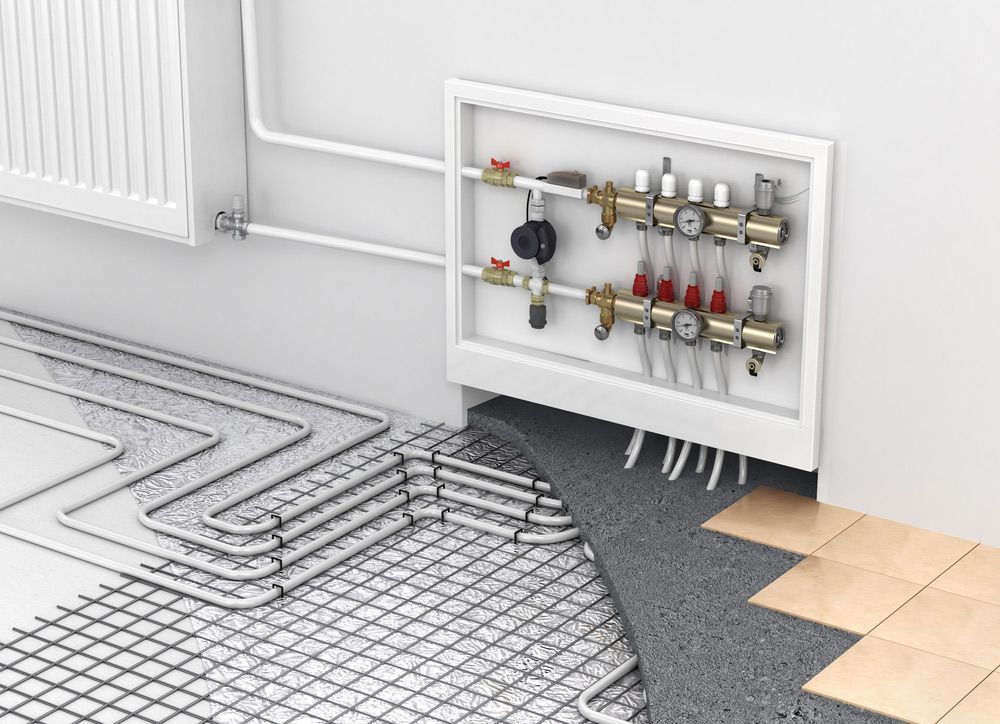
In-slab hydronic heating works by embedding a continuous loop of cross-linked polyethylene pipe within the concrete slab before it is poured. The loops must be laid and pressure-tested before the concrete goes in. During construction, this integrates naturally into the build sequence — the trades are already on site and the slab preparation is already underway. A hydronic installer coordinates directly with the builder to plan the pipe layout, agree on manifold locations and ensure everything is ready before the pour date.
Retrofitting the same system into a completed home means cutting up the existing floor, removing floor coverings, laying pipes, re-pouring or re-laying the floor and reinstating all finishes. Industry experience consistently puts the cost of a retrofit at roughly 50 to 80 percent more than an equivalent new-construction install. That cost gap alone is often the deciding factor for new-build clients who are weighing whether to commit now or wait.
How Much Does In-Slab Hydronic Heating Cost in a New Geelong Home?
Hydronic heating cost for a new home in Geelong currently runs at approximately $60 to $100 per square metre of heated floor area for the in-slab component, installed. This covers the pipe loops, manifolds, zoning controls and commissioning of the hydronic circuit. The heat pump that drives the system is costed separately based on the home's heating load.
For a 200 square metre home, the in-slab component alone sits in the range of $12,000 to $20,000 before the heat pump. That is a meaningful investment, best compared against a quality ducted gas or multi-head split system, not a builder-grade heating option. The payback case rests on lower running costs through the heat pump, and the comfort and resale value a fully hydronic home commands in the Geelong market.
Can You Run Hydronic Heating With a Heat Pump Instead of Gas?
For a new Geelong build in 2026, a heat pump is the recommended approach. Gas boiler-driven systems are becoming progressively less attractive as connection costs rise and Victoria's trajectory toward all-electric new builds continues.
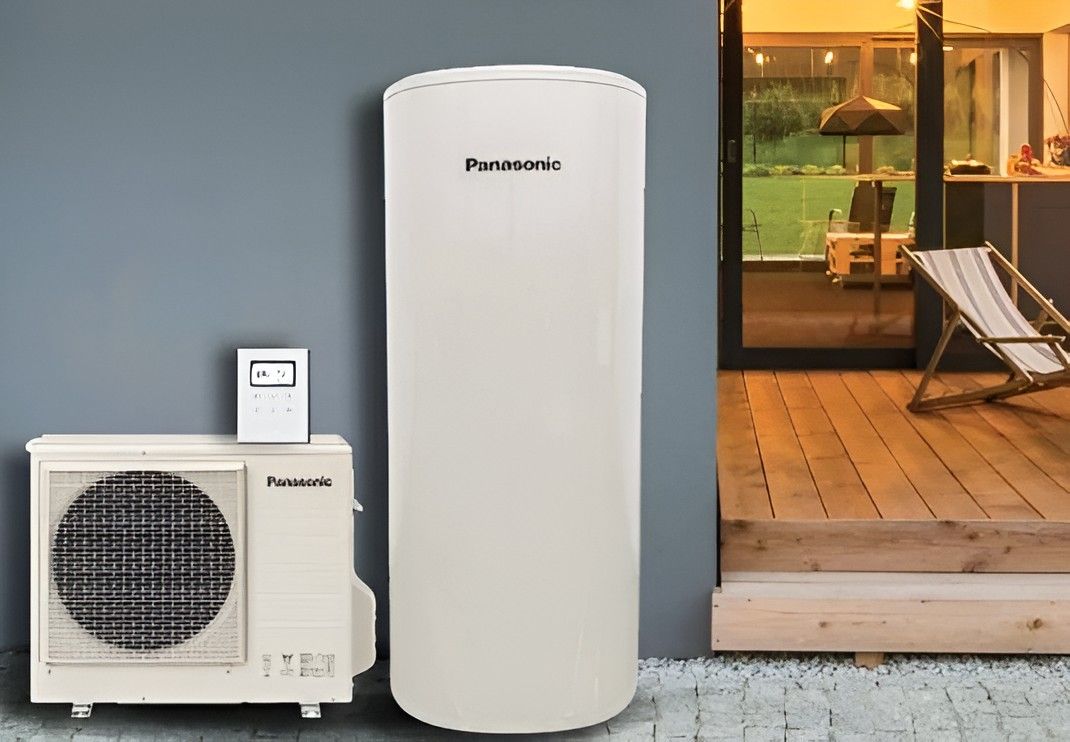
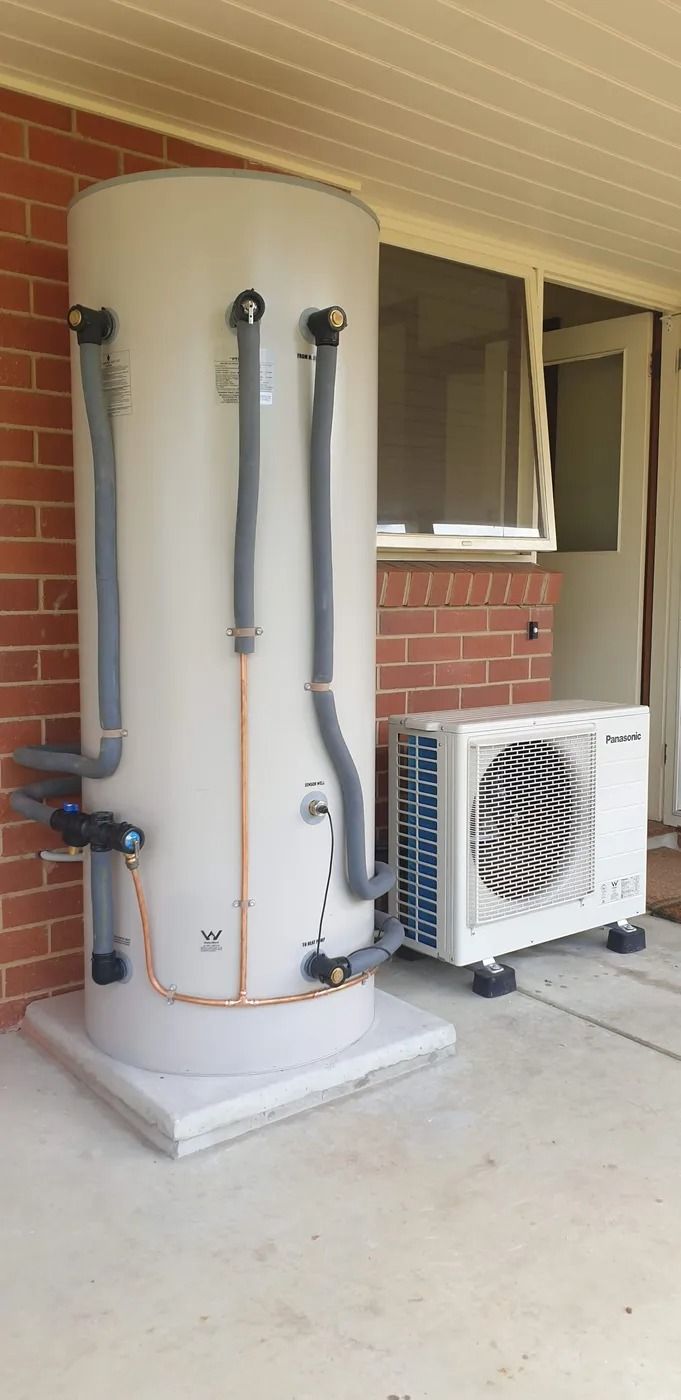
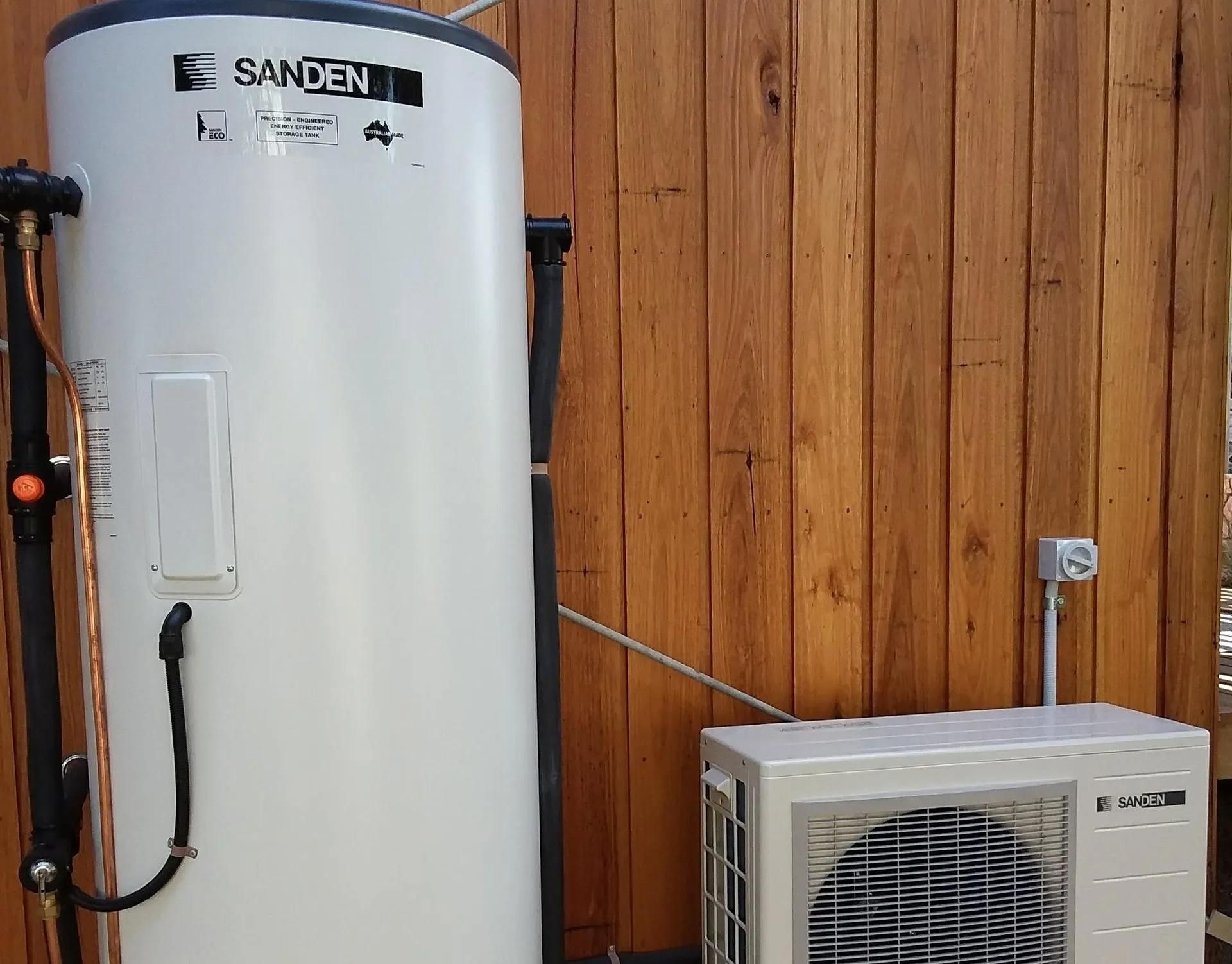
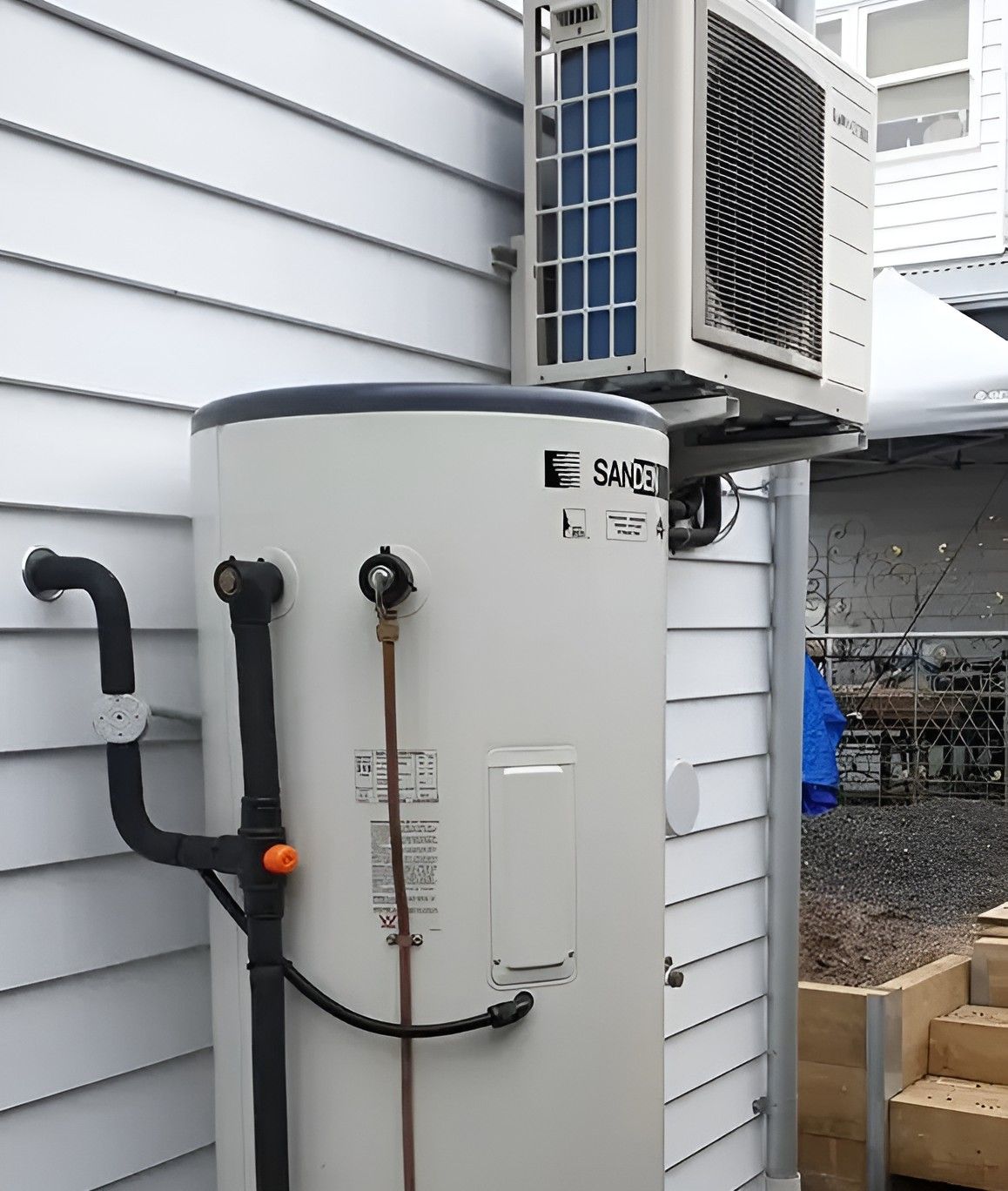
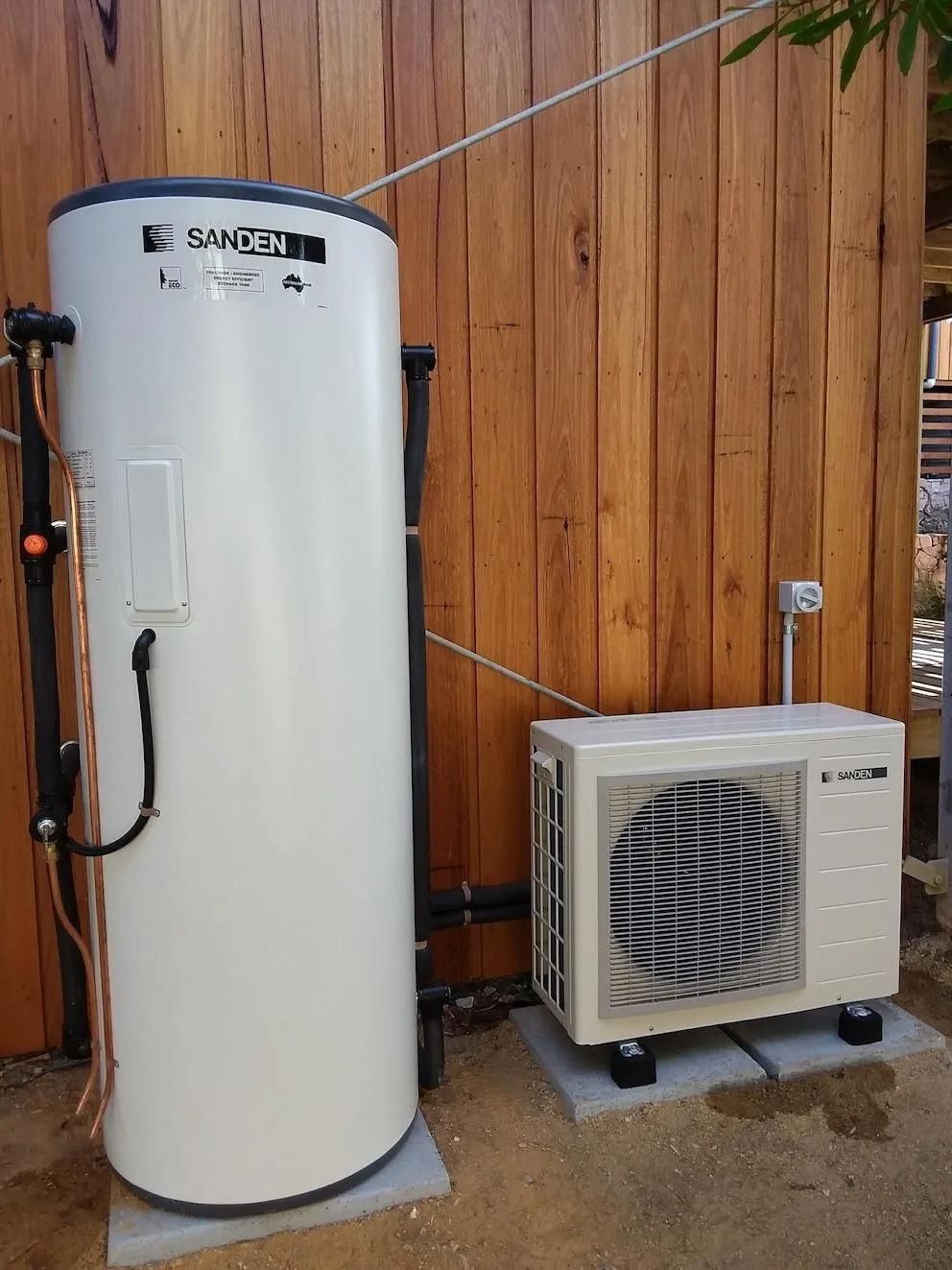
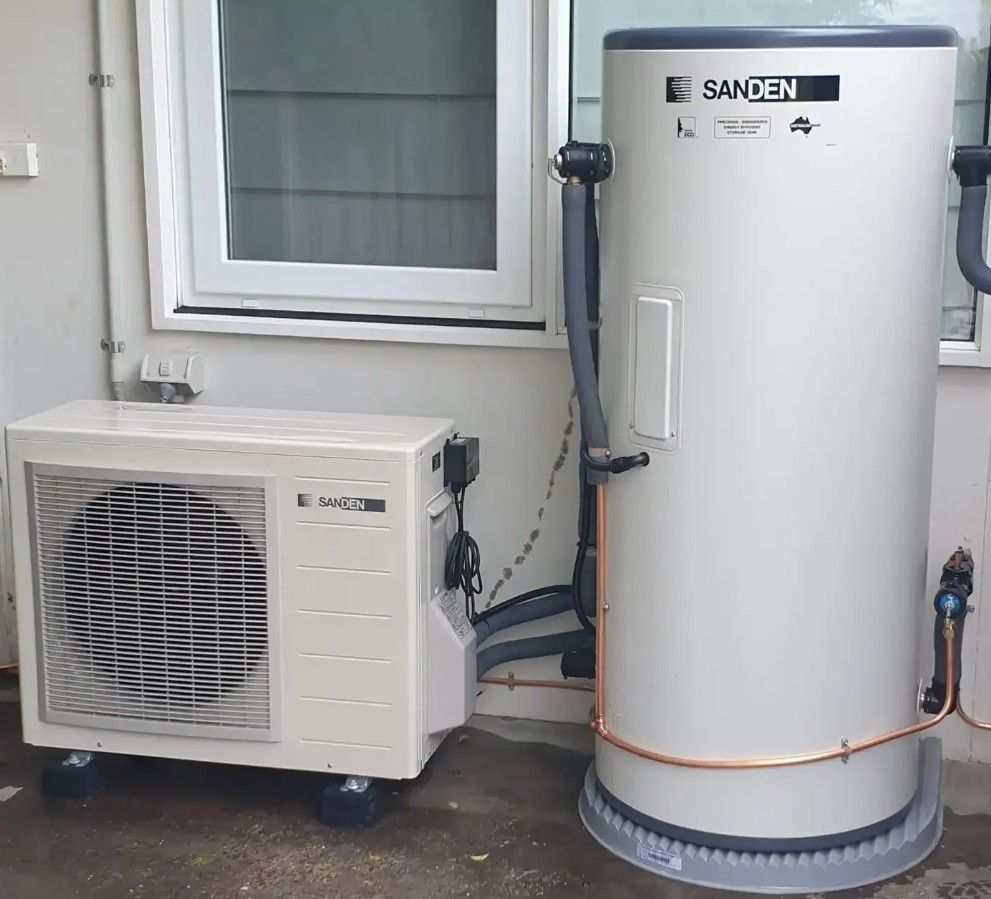
The Australian-made Ambient hydronic heat pump reaches a COP of up to 4.4. In practical terms, a COP of 4.4 means the system delivers 4.4 units of heat for every 1 unit of electricity consumed. A gas boiler operates below 100 percent efficiency by definition. The result is that heat pump hydronic heating typically uses 5 to 6 times less energy than a gas equivalent for the same output. Paired with rooftop solar, the economics improve further — the Ambient's low electrical input is well-matched to what a typical solar system can supply. Once the slab is poured and the loops are in, the heat pump installation is commissioned before handover so the home is fully operational from day one.
Is Hydronic Heating a Good Fit for Geelong's Climate?
Geelong's climate makes a strong case on its own. The city and its surrounding growth areas sit in a cool-temperate zone where overnight lows regularly drop to 4 to 8 degrees Celsius through winter and daytime temperatures in June and July frequently stay below 14 degrees. That is sustained cold where a consistently warm floor makes a material difference to daily comfort rather than simply being a luxury.
The new estates around Armstrong Creek, Charlemont and Torquay North are also building larger, well-insulated homes where the upfront investment in hydronic heating is proportionally more justified. A highly insulated slab retains heat well, which means the system runs at lower flow temperatures and cycles less frequently — exactly the conditions that maximise a heat pump's efficiency.
When Hydronic Heating Is Not the Right Call
Hydronic heating in Geelong is not the right answer for every build. For homes under 120 to 130 square metres, or builds where the budget is under significant pressure, a high-quality multi-head split system or ducted reverse-cycle system can deliver strong comfort at lower upfront cost and is often the more pragmatic choice.
If the floorplan is compact or the heating load is modest, the payback period on in-slab hydronic heating extends considerably. A review of the plans and heating load will quickly indicate which way the economics point for a specific build. An honest installer will tell you if hydronic is not the right fit — getting the right system for the home matters more than installing hydronic heating for its own sake.
How Zoning and Control Work in a New-Build Hydronic System
One of the practical advantages of planning hydronic heating at the design stage is the ability to zone the system properly from the outset. In-slab hydronic systems run multiple pipe circuits from a central manifold, allowing different areas of the home to be controlled independently. Living areas can run warmer, bedrooms cooler, and zones that are unoccupied can be turned off entirely to reduce running costs.
Zoning is significantly easier to design well when the floor layout is still on paper. Retrofitting a well-zoned system into an existing home is complicated by fixed pipe positions and manifold access. For new-build clients working through the design stage, the zoning layout is part of the initial planning conversation with the installer, not an afterthought.
Talk to Sunworks Eco Plumbing Before the Slab Goes Down
The design and planning stage is the time to have this conversation, not after the build is locked in. If you are building in Geelong or across the Surf Coast and want to know whether
hydronic heating installation in Geelong is the right call for your specific floorplan, block and budget, call
Sunworks Eco Plumbing on
0418 124 592 or
get in touch online. The team can review your plans, provide a realistic cost indication and coordinate directly with your builder if you decide to proceed, all before the window closes.
Frequently Asked Questions
Can I add hydronic heating to my slab after the home is built?
Technically yes, but it is significantly more expensive than installing during construction. Retrofitting requires cutting up existing floors, removing coverings, laying pipes and reinstating all finishes, adding roughly 50 to 80 percent to the cost of a new-construction install. If you are building now, committing at this stage is a much more straightforward decision economically.
Does in-slab hydronic heating work with a standard concrete slab?
Yes. The cross-linked polyethylene pipes are laid on top of the insulation layer and mesh reinforcement before the concrete is poured around them. The slab acts as thermal mass, absorbing heat from the water and radiating it slowly and evenly into the room above. No specialist slab type is required.
How long does it take for in-slab hydronic heating to warm up?
In-slab systems have a longer warm-up time than forced-air heating because the slab needs to absorb heat before it begins radiating. Most Geelong homes run the system on a timer set to begin warming a couple of hours before the home is occupied, so the floor is already at temperature when the household is active.
Can I zone different rooms with in-slab hydronic heating?
Yes. Hydronic in-slab systems are designed with multiple circuits from a central manifold, allowing different zones to be controlled independently. Living areas can be set warmer, bedrooms cooler and unoccupied zones turned off to reduce running costs — all straightforward to design well when the floor layout is still being planned.
What if a pipe in the slab develops a leak?
Cross-linked polyethylene pipe is highly durable and designed for a service life of 50 years or more under normal operating conditions. If a leak does occur, a hydronic specialist can use pressure testing and thermal imaging to locate the fault without breaking up the entire floor.