Geelong Heat Pumps vs Solar Hot Water: Which Suits Your Home?
Choosing between a heat pump vs solar hot water system depends on your roof space, budget, household demand and local climate. Both offer energy-efficient alternatives to traditional hot water systems, but heat pumps often provide greater flexibility and consistent year-round performance for Geelong homeowners. With Victoria's 2027 gas hot water replacement rules approaching, understanding your options is particularly important.
Heat Pump vs Solar Hot Water: How Each System Works
Heat pumps and solar hot water systems use renewable energy sources, but they heat water differently.
How does a heat pump work?
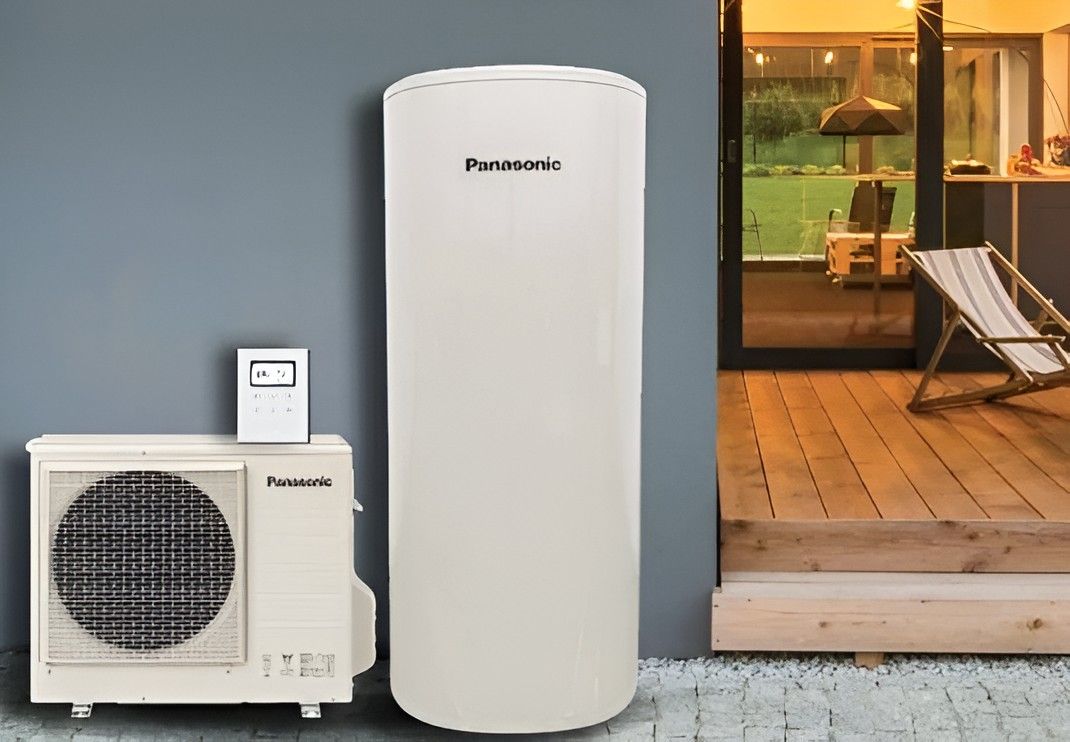
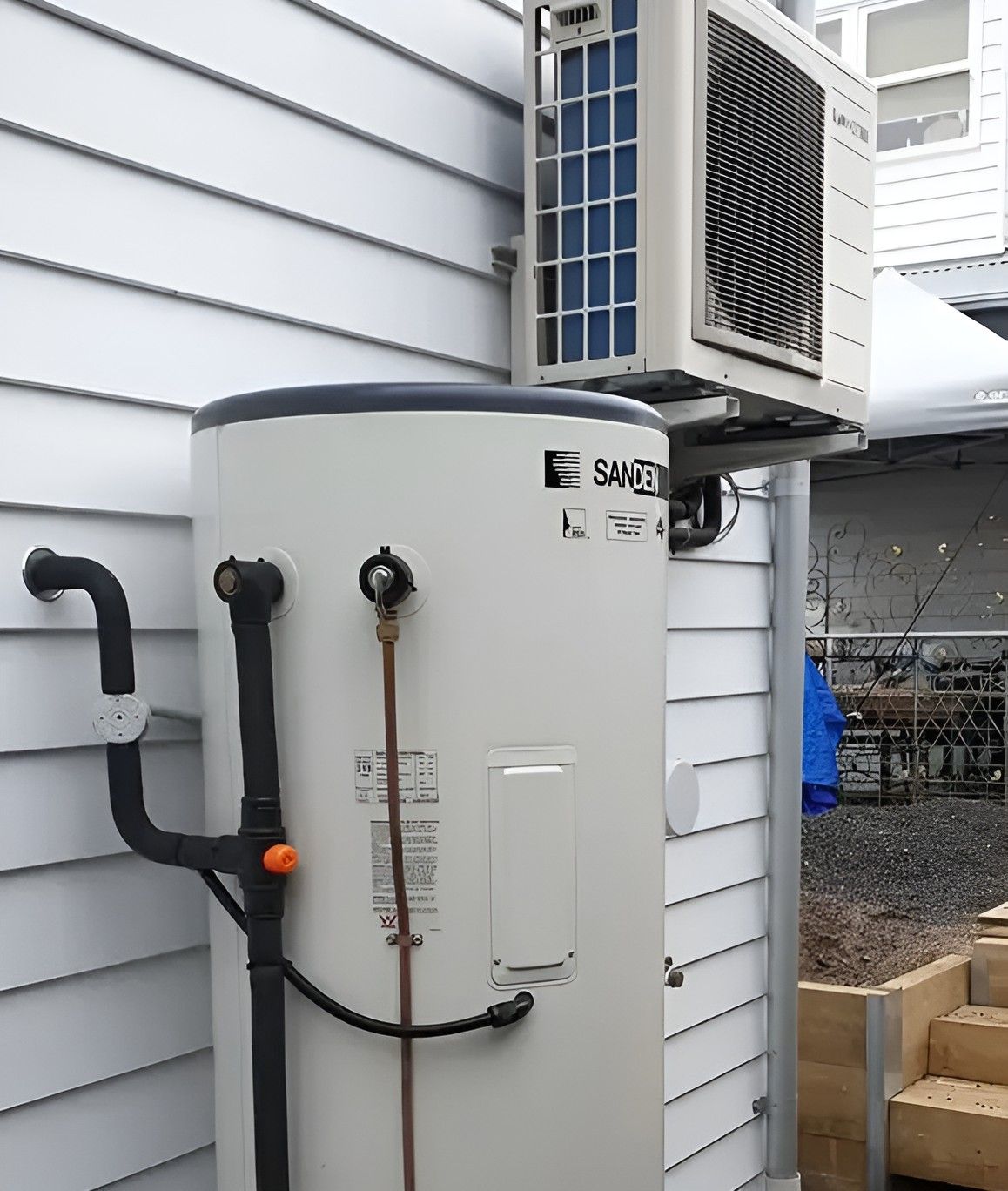
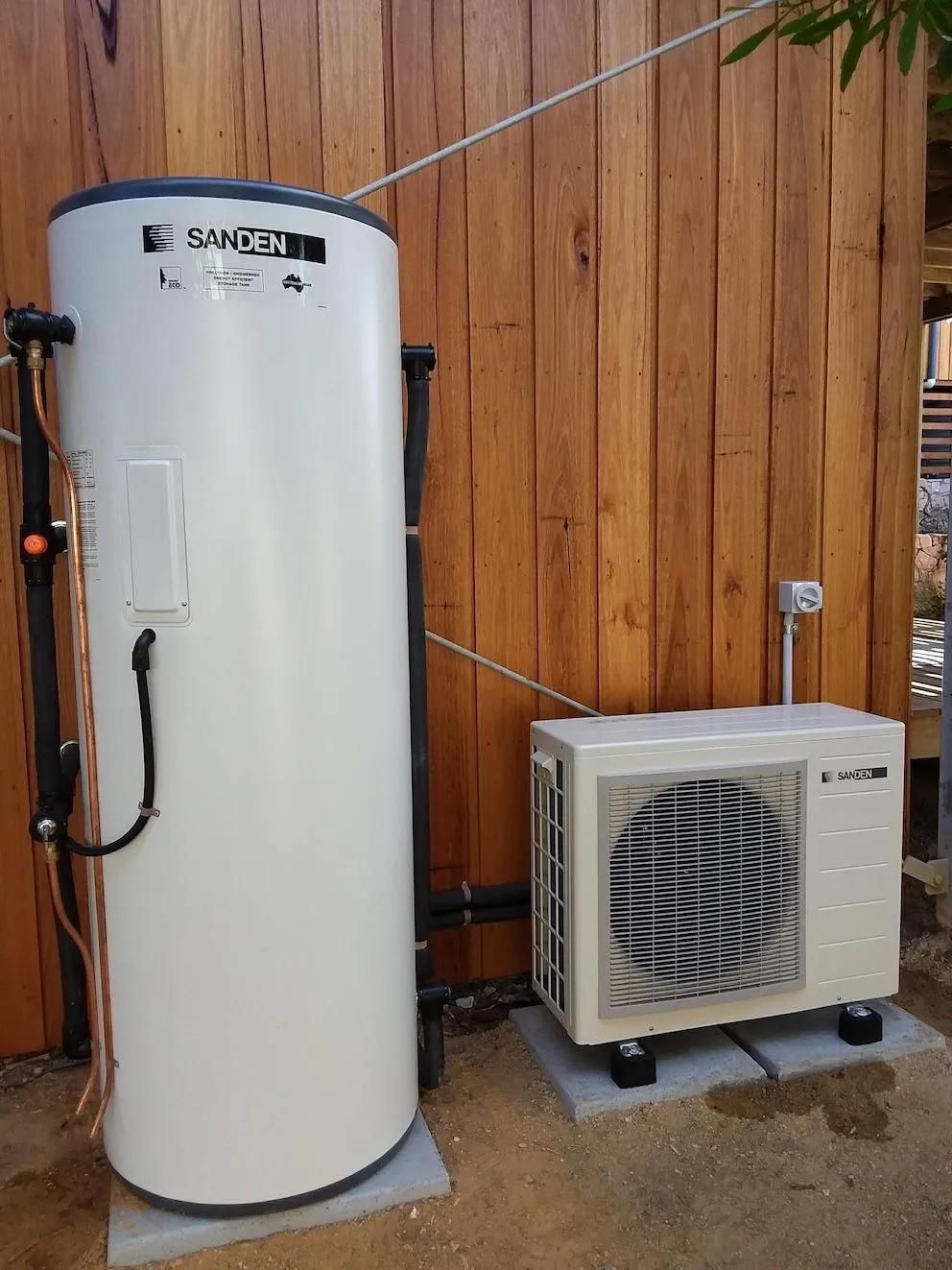
A heat pump extracts warmth from the surrounding air and transfers it into water stored in an insulated tank. Using a refrigerant and compressor, it moves heat rather than generating it directly through an electric heating element. This makes heat pumps significantly more efficient than conventional electric storage systems. They also operate without direct sunlight, making them suitable for shaded properties and homes with limited roof space.
How does solar hot water work?
Solar hot water systems use roof-mounted collectors to absorb sunlight and transfer heat into a storage tank. On sunny days, these collectors can supply most household hot water needs with minimal purchased energy. During cloudy weather or winter, an electric or gas booster provides additional heating. Unlike solar electricity panels, solar hot water collectors heat water directly.
What Victoria's 2027 Gas Hot Water Rule Means for Your Choice
From 1 March 2027, Victorian homeowners replacing an end-of-life gas hot water system in an existing home must generally choose an electric alternative, subject to applicable exemptions.
According to Energy Victoria, existing gas systems can continue operating and receiving repairs. The requirement applies when replacement becomes necessary.
For homeowners comparing solar hot water vs heat pump systems, the distinction matters:
- Heat pumps: Electric systems meet the replacement requirement.
- Electric-boosted solar hot water: Compliant because backup heating uses electricity.
- Gas-boosted solar hot water: Not compliant as an electric replacement because it still uses gas.
Planning ahead helps homeowners avoid rushed decisions when ageing systems fail. If you're considering switching from gas, our guide to
replacing gas hot water with a heat pump explains the process.
Running Costs and Performance Through a Geelong Winter
Geelong's cold mornings, coastal winds and cloudy winter days influence hot water performance. Heat pump efficiency is measured through its coefficient of performance (COP). Many efficient systems achieve a typical COP of around 3 to 3.5 under suitable conditions, delivering approximately three to three-and-a-half units of heat per unit of electricity consumed.
Actual performance varies by model, temperature, installation and operating conditions.
Heat pumps continue extracting warmth from cold air, although some models become less efficient as temperatures fall. Certain systems also require supplementary electric heating.
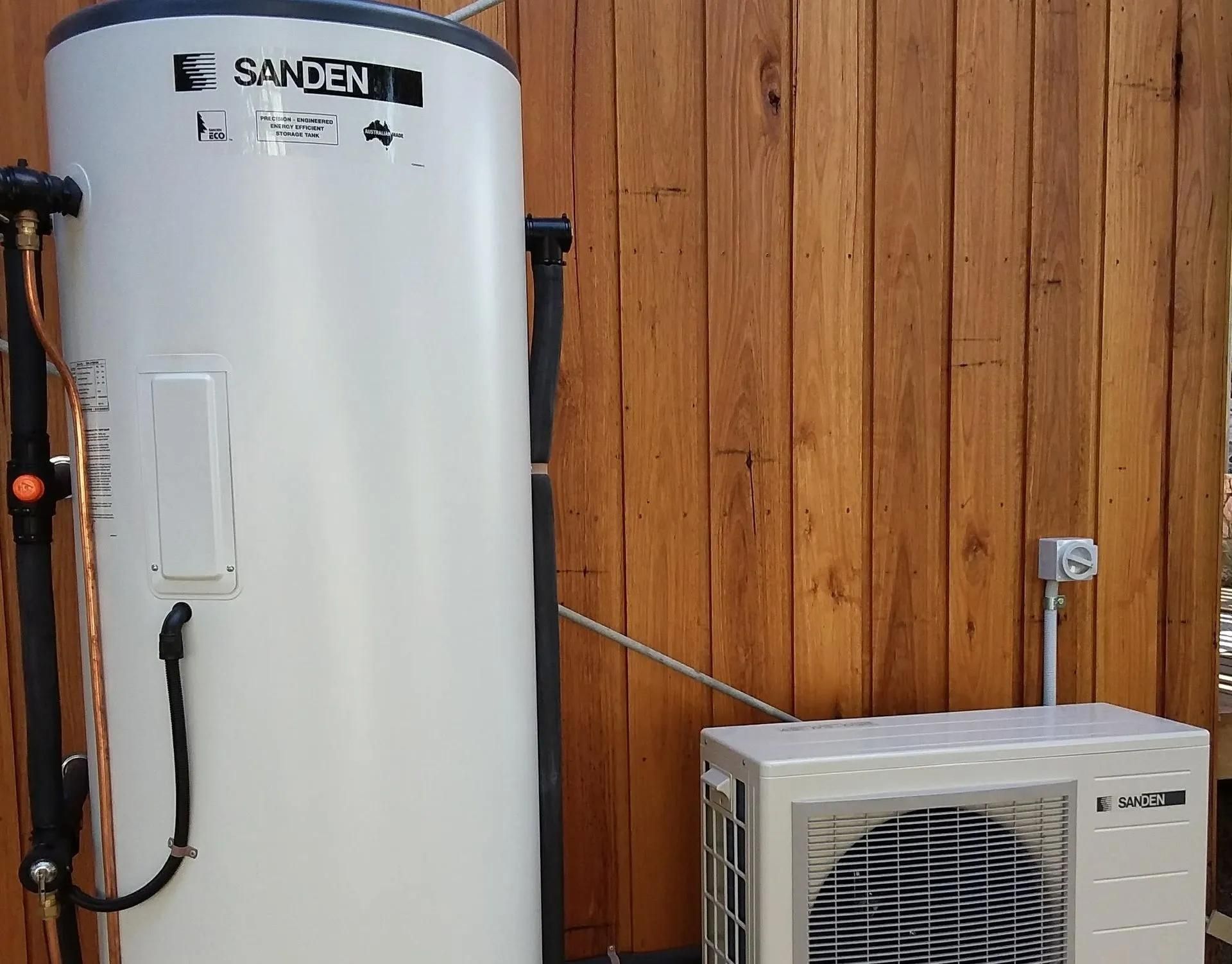
Sanden CO2 systems are designed to produce hot water in cold conditions without a supplementary electric resistance booster within their specified operating range.
This makes Sanden heat pumps worth considering for Geelong winters.
Solar hot water performs particularly well during sunny weather. However, shorter winter days and extended cloud cover increase reliance on backup heating.
For example, an Ocean Grove family using hot water for morning showers may find its solar system relying heavily on the booster during several overcast days. A correctly sized heat pump can continue heating water using surrounding air.
Running costs ultimately depend on household demand, electricity tariffs, system efficiency and available rooftop solar electricity.
Roof Space, Installation and Coastal Conditions
Your property's layout can significantly influence installation costs and suitability.
What does solar hot water require?
Solar hot water generally performs best with unshaded, north-facing roof space. Installation requires roof collectors, insulated flow and return lines, a storage tank and backup heating. For Surf Coast and Bellarine properties, coastal exposure matters. Salt-laden air can accelerate corrosion of exposed collectors, mounting hardware and pipework. Roof condition, wind exposure and maintenance access also need consideration.
Where can heat pumps be installed?
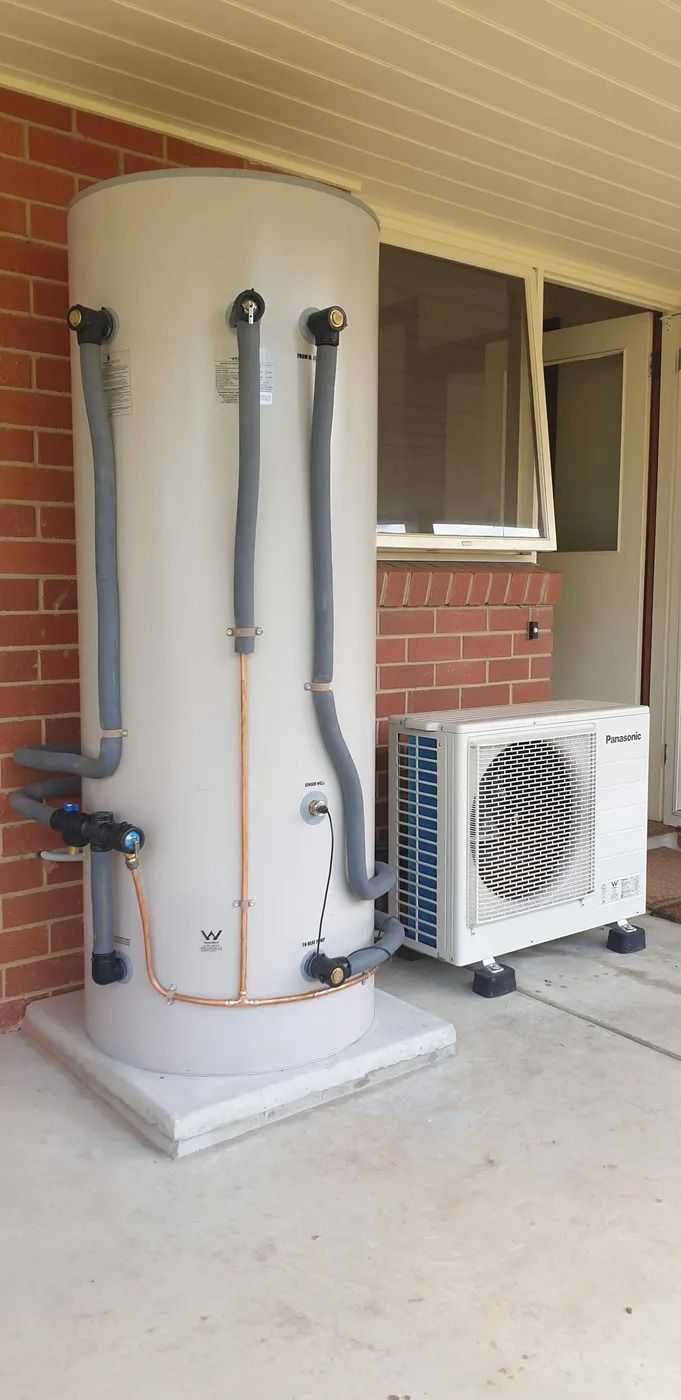
Heat pumps generally use ground-mounted equipment, although suitable components may allow wall mounting. They don't require roof collectors, making them practical for homes with shaded roofs or existing solar panels. However, outdoor units need adequate airflow, drainage and suitable clearance from bedrooms and neighbouring properties. Coastal installations should also use appropriately rated equipment and follow manufacturer placement requirements.
Are Heat Pump Hot Water Systems Worth It?
For many Geelong households, heat pumps are worth the investment because reduced electricity consumption can offset higher upfront costs over time.
Their value depends on:
- Existing hot water system efficiency.
- Household hot water consumption.
- Equipment and installation costs.
- Available government incentives.
- Electricity tariffs and rooftop solar generation.
Homes with solar PV may benefit from scheduling heat pump operation during daylight hours to use more self-generated electricity. Correct tank sizing is equally important. An undersized system may struggle during peak demand, while an oversized system can increase purchase costs unnecessarily. A professional assessment helps match equipment to household needs.
What Is the Downside to a Heat Pump?
Heat pumps have several limitations homeowners should understand. Their upfront cost is generally higher than basic electric storage systems, particularly when electrical or plumbing upgrades are required. Compressor and fan noise also need consideration. Poor placement near bedroom windows or neighbouring properties can create unnecessary disturbance. Heat pumps require adequate airflow, so cramped enclosures may reduce efficiency or breach installation requirements. Some systems also take longer to reheat stored water than high-powered conventional heaters. Choosing suitable equipment and professional installation helps address these concerns.
Is There a Government Rebate for Heat Pumps in Victoria?
Yes. Eligible Victorian homeowners may access government incentives when installing approved heat pump hot water systems. Programs include the Solar Homes hot water rebate and Victorian Energy Upgrades (VEU) discounts. Eligibility depends on factors such as existing equipment, household circumstances, approved products and installation requirements. Rebate amounts and conditions change, so confirm current eligibility before proceeding. Read our guide on how to
claim the Victorian heat pump rebate, or visit
Solar Victoria for official program information.
Which System Suits Your Geelong Home
Both systems offer genuine benefits. Solar hot water can be an excellent choice for properties with unshaded north-facing roofs and strong sunlight exposure. It can provide substantial water heating using direct solar energy, reducing reliance on purchased electricity. Electric-boosted solar systems also offer a compliant alternative to gas hot water. However, heat pumps often suit established Geelong properties better. They require no roof collectors, operate during cloudy weather and integrate well with existing rooftop solar electricity systems. For example, a Highton home with limited roof space may benefit from a heat pump, while a Torquay property with ideal roof orientation could suit electric-boosted solar hot water.
For many Geelong, Surf Coast and Bellarine households, a correctly sized heat pump offers an excellent balance of efficiency, installation flexibility and reliable year-round hot water.
Sunworks Eco Plumbing can help assess your property and recommend suitable equipment. Explore our range of
heat pumps in Geelong, or
call us 0418 124 592 to discuss your hot water replacement.
Frequently Asked Questions
Is a heat pump better than solar hot water in Geelong?
Heat pumps often suit Geelong because they operate without direct sunlight and require no roof collectors. Solar hot water remains effective for properties with suitable roof space and sunlight exposure.
Do heat pump hot water systems work in winter?
Yes. Heat pumps extract warmth from cold air, although efficiency varies by model and temperature. Sanden CO2 systems operate in cold conditions without supplementary electric resistance boosting within their specified range.
Can I replace gas hot water with solar hot water after March 2027?
Yes, provided you install a compliant electric-boosted solar hot water system. Gas-boosted solar systems do not satisfy Victoria's general electric replacement requirement.
Can heat pumps use rooftop solar electricity?
Yes. Heat pumps can use electricity generated by rooftop solar PV panels. Daytime heating schedules may help reduce grid electricity consumption.
Are Victorian heat pump rebates available?
Yes, eligible homeowners may qualify for Victorian government incentives. Check current program requirements and approved products before installation.