How Coastal Air Can Corrode Geelong Heat Pumps Faster Than Expected
Living near the coast in Geelong, Torquay, Ocean Grove, Barwon Heads or Anglesea comes with plenty of perks, but salt-laden air isn't kind to outdoor appliances, and your heat pump hot water system is no exception. At Sunworks Eco Plumbing, we regularly see coastal units showing signs of wear well ahead of what homeowners expect, simply because the local air is working against them every single day.
If you're comparing options for
Geelong heat pumps, it helps to know which brands are built to handle salt air before you commit to an installer and what to watch for if you already have a unit installed.
Why Geelong's Coastal Location Puts Extra Strain on Outdoor Hot Water Systems
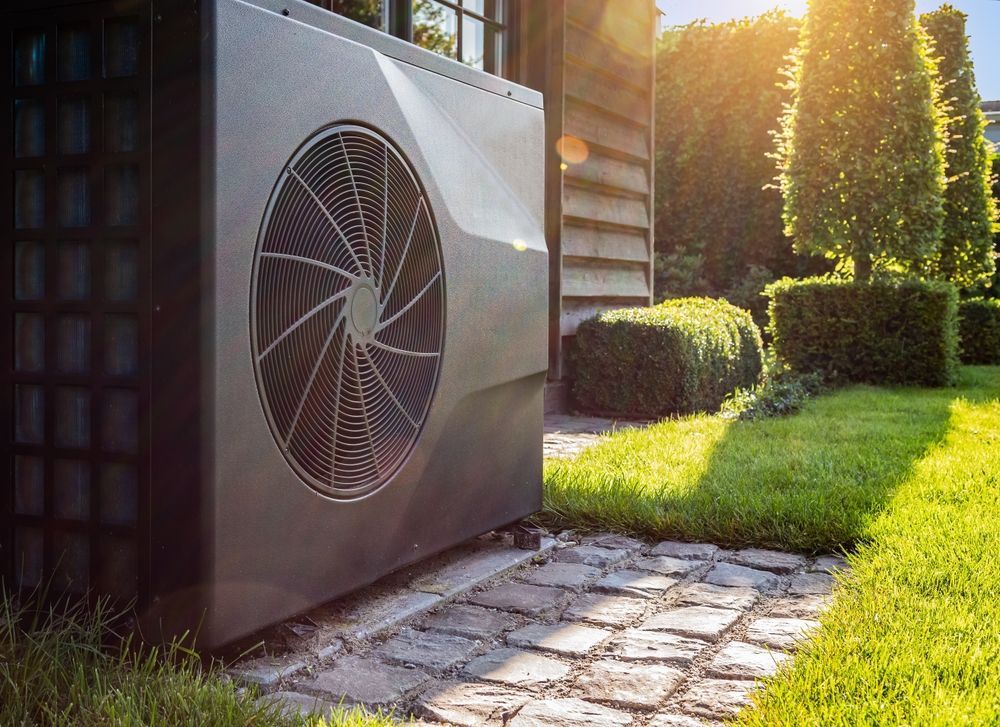
Heat pumps sit outside by design, since they draw ambient air to heat your water efficiently. That's great for energy efficiency, but it also means they're constantly exposed to whatever the local air carries with it. In coastal parts of Geelong and along the surf coast, that includes fine salt particles carried in on sea breezes, which settle on the unit's casing, fan components and internal metal parts over time.
Inland, a heat pump might go years without real exposure to airborne salt. Closer to the coast, it's a near-constant low-level exposure, and that steady drip-feed of salt accelerates corrosion on units that aren't designed to handle it.
Signs of Salt Air Corrosion on a Heat Pump Unit
Salt air corrosion tends to show up gradually rather than all at once, which is part of why it often goes unnoticed until it's fairly advanced. Keep an eye out for small rust spots appearing on the casing, particularly around screws, joints and seams. Flaking or bubbling paint is another early sign, since it usually means moisture and salt have started working on the metal underneath the surface coating.
You might also notice the unit's fan sounding slightly different or running less smoothly than it used to, which can indicate corrosion affecting internal components rather than just the outer casing. None of these signs mean your system is about to fail, but they're worth acting on rather than ignoring, since corrosion generally gets more serious the longer it's left unaddressed.
Why Corrosion Shortens the Lifespan of a Heat Pump
Corrosion doesn't just affect the way a heat pump looks. Once rust takes hold on the casing or internal fittings, it can gradually compromise the unit's structural integrity and affect how well the fan and heat exchanger perform. A unit fighting ongoing corrosion generally has to work harder to maintain the same efficiency, which can show up as higher running costs even before any visible failure occurs.
Left unaddressed, corrosion can shorten a heat pump's usable life well below what the same unit would achieve inland, simply because the surrounding air places extra strain on it every day it's in use.
Choosing a Heat Pump Built for Coastal Conditions
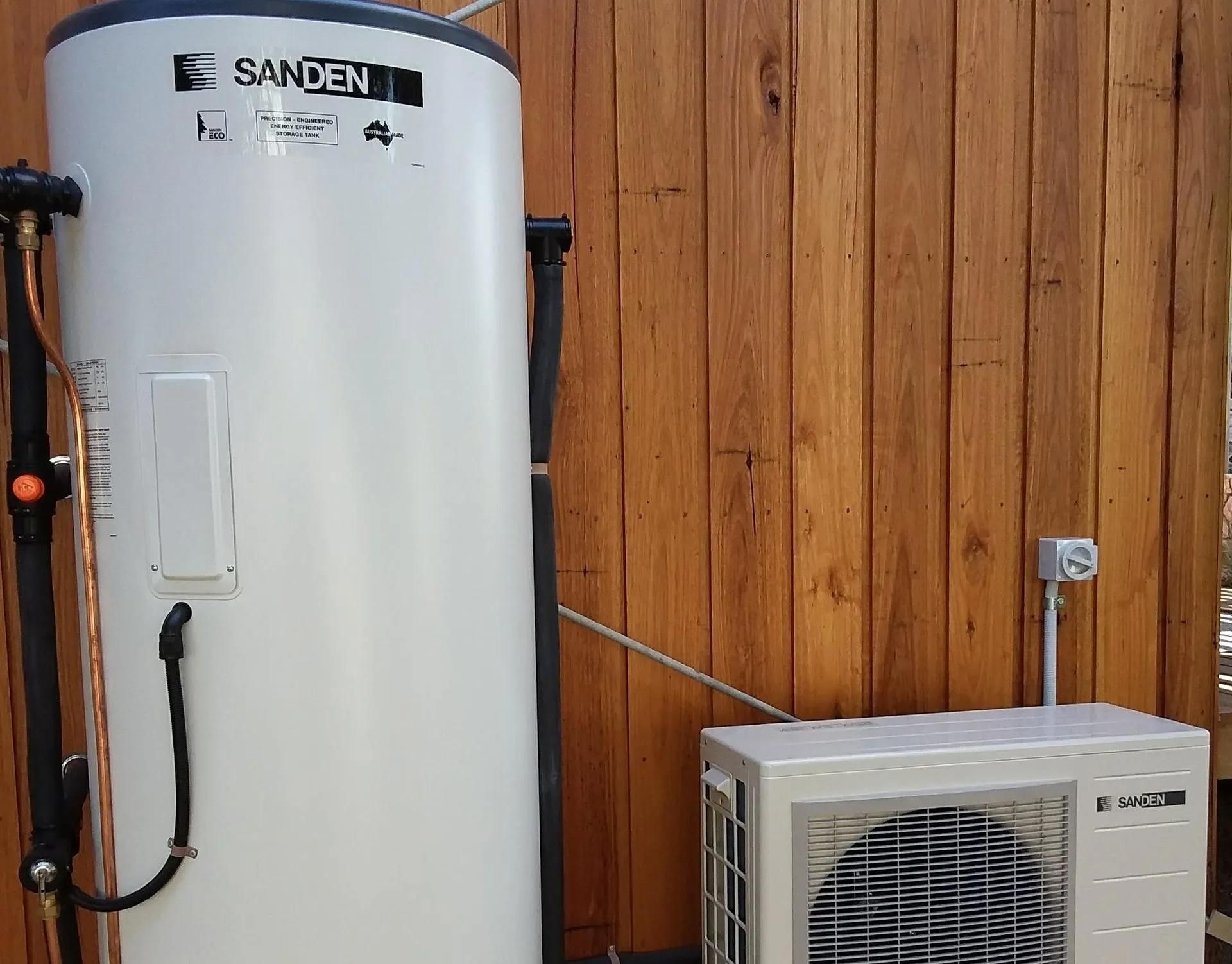
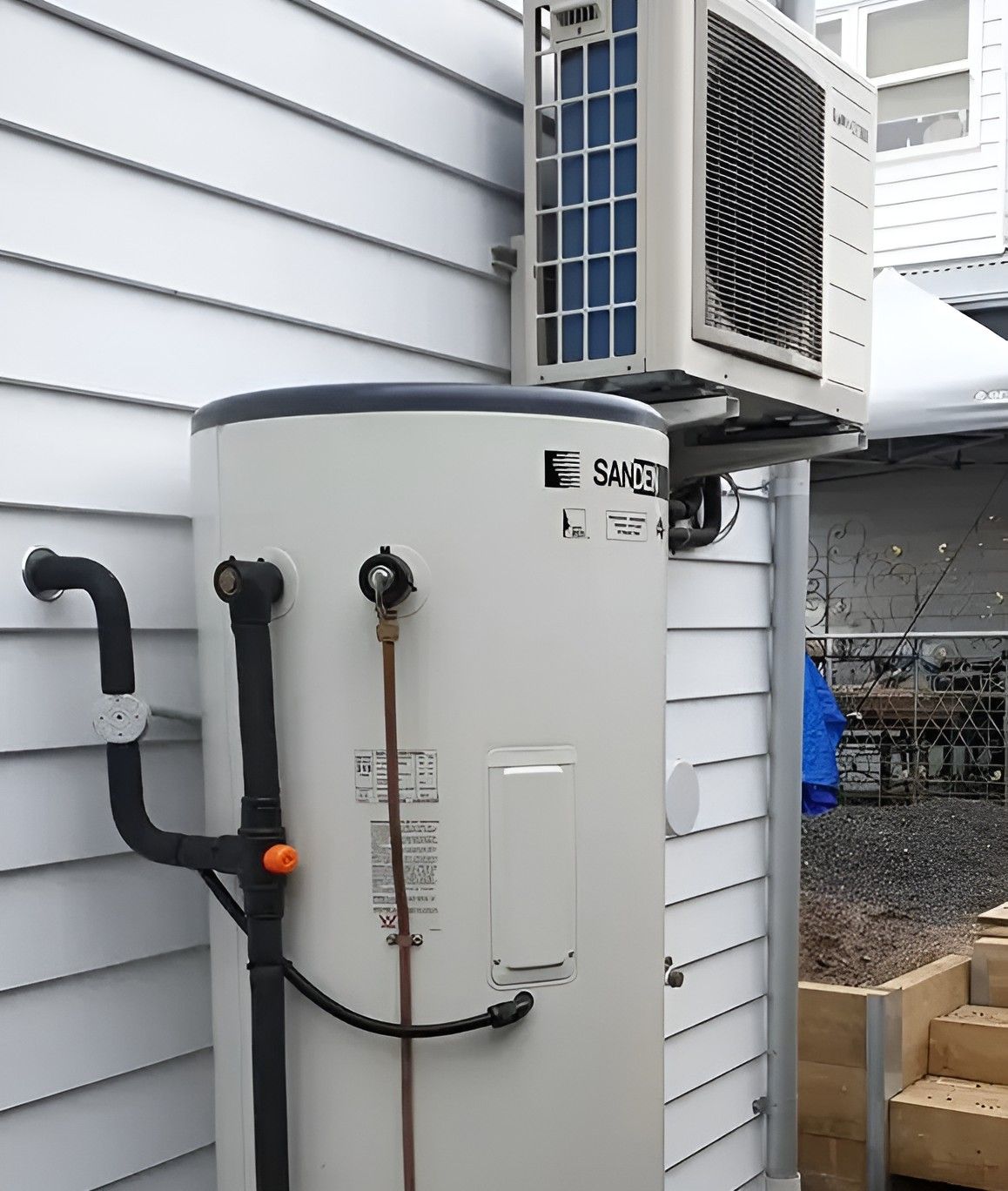
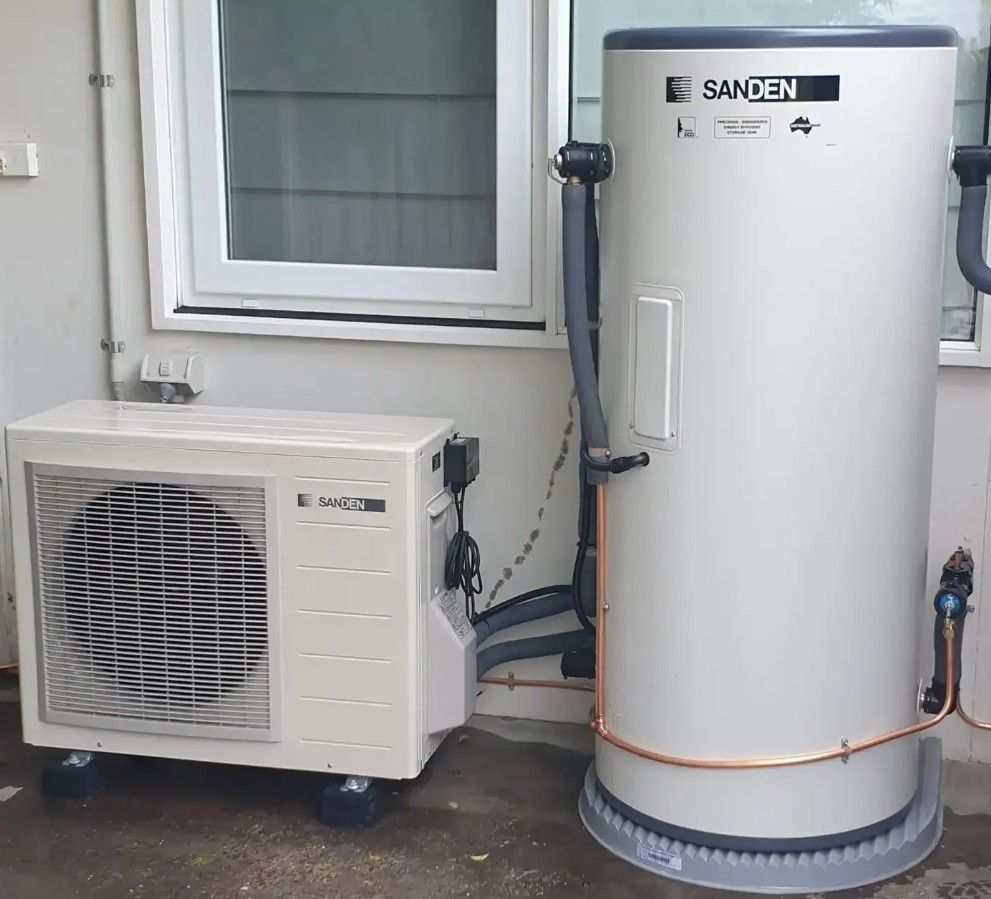
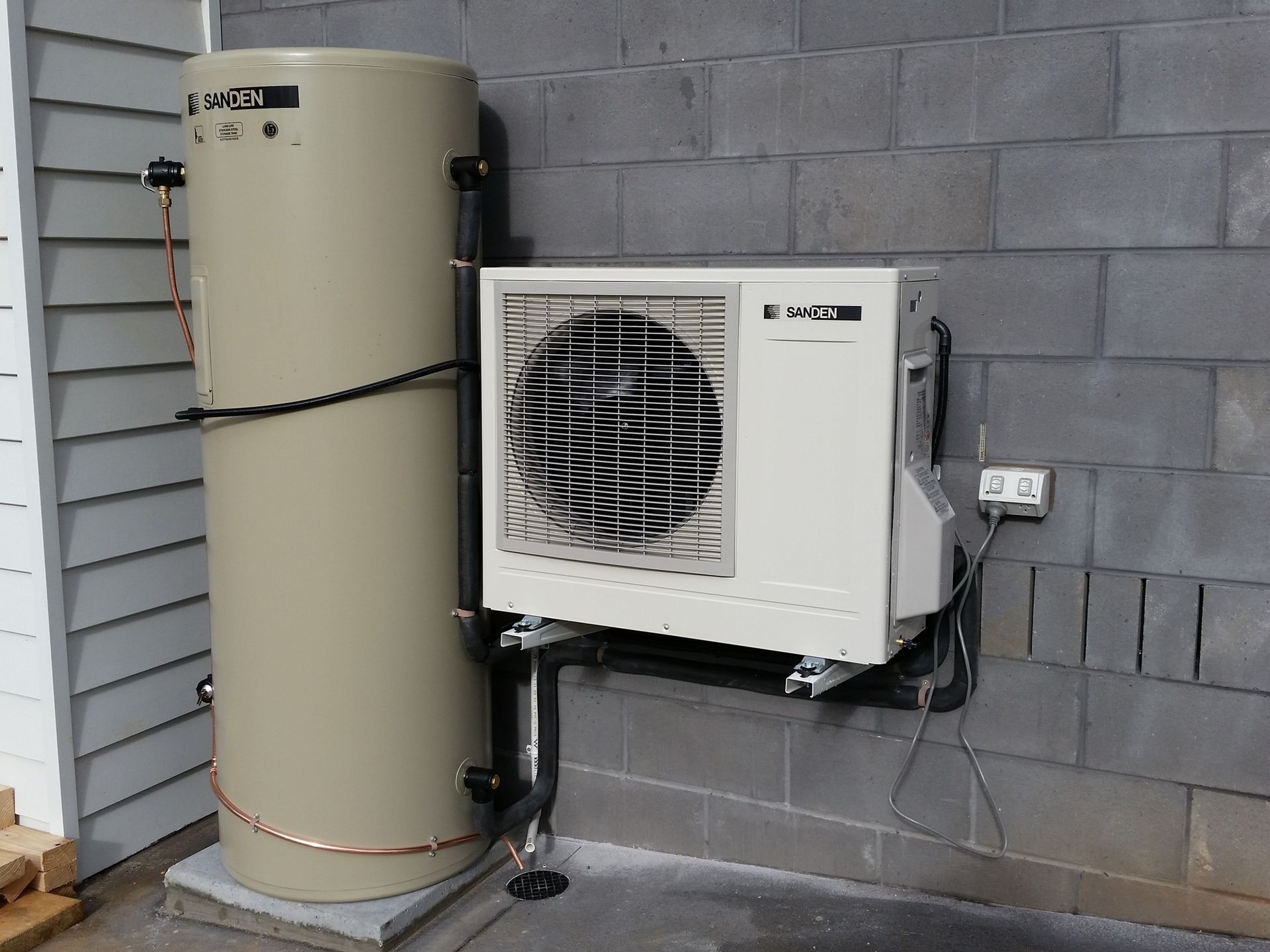
Not all heat pumps are equally equipped to handle salt air, and this is genuinely one of the most important factors to get right if you live anywhere near the Geelong coastline. Sanden's Eco Plus range, for instance, is worth asking about if coastal corrosion is a concern for your property, since it's designed with coastal durability in mind rather than being a standard inland unit installed in a harsher environment.
Panasonic heat pumps are another option worth discussing with your installer, and the right choice ultimately comes down to your specific property, budget and how close you are to the coastline. The key takeaway is that coastal durability shouldn't be an afterthought. It's worth raising directly with whoever you're getting a quote from, rather than assuming every heat pump on the market will hold up equally well in a salt air environment.
Simple Maintenance Steps to Slow Down Corrosion
You can't eliminate salt air exposure if you live near the coast, but you can slow down its effects with a few simple habits. Rinsing the exterior of your unit with fresh water periodically helps remove salt build-up before it settles in and starts working on the casing. Keeping the area around the unit clear of debris and vegetation also helps with airflow and reduces moisture retention around the base.
Regular
heat pump maintenance is one of the easiest ways to catch early corrosion before it becomes a costly repair, since a professional check can spot small issues before they progress into something more serious.
When to Call a Local Plumber for an Inspection
If you've noticed rust spots or flaking paint on your unit, it's worth getting a local plumber in Geelong to take a look sooner rather than later. The same goes if your system seems to be working harder than it used to, your energy bills have crept up without an obvious explanation, or your unit is getting older and hasn't had a coastal-specific check-up in a while.
Catching corrosion early generally means a simpler, more affordable fix than waiting until it's affected the unit's core components. If you're unsure whether what you're seeing is normal wear or something worth addressing, it's always worth asking rather than guessing.
Protecting Your Investment in Coastal Conditions
A heat pump is a genuine investment in your home's hot water efficiency, and coastal air doesn't have to cut that investment short if it's managed properly. Choosing a coastal-ready unit, keeping up with basic maintenance, and getting an inspection at the first sign of corrosion all go a long way toward protecting your system for the years ahead.
If you're in Geelong, Torquay, Ocean Grove, Barwon Heads or Anglesea and want advice on choosing the right heat pump, or you'd like an existing unit checked over, get in touch with the team at Sunworks Eco Plumbing today.
Frequently Asked Questions
How much faster does a heat pump corrode near the coast?
It varies depending on proximity to the water and the specific unit, but coastal exposure generally accelerates corrosion compared with an inland installation, which is why coastal-rated units are worth prioritising.
Can corroded parts on a heat pump be repaired, or does the whole unit need replacing?
It depends on how advanced the corrosion is and which components are affected. Early-stage corrosion caught during a routine check can often be addressed without needing a full replacement.
Are Sanden and Panasonic heat pumps suitable for coastal Geelong properties?
Both brands offer options worth discussing for coastal conditions, though the right choice depends on your specific property and needs, which is best worked through with your installer.
How often should a heat pump near the coast be inspected?
Coastal units generally benefit from more frequent checks than inland installations, given the ongoing exposure to salt air, though your installer can recommend a schedule suited to your specific unit and location.
Is rinsing my heat pump with fresh water really necessary?
It's a simple habit that can help reduce salt build-up on the casing, and it's a worthwhile addition to your regular maintenance routine if you live in a coastal area.