Replacing An Old Gas Hydronic Boiler With A Heat Pump: What Geelong Homeowners Should Know
Replacing an ageing gas hydronic boiler with an electric heat pump can let you keep the comfort of your existing hydronic system while moving away from gas or LPG. In many Geelong homes, the radiators or in-slab pipework can remain in place, with the heat source upgraded after a proper system assessment.
The key is making sure the heat pump, existing emitters and required water temperatures work together effectively.
Why Geelong Homeowners Are Moving Away From Gas Hydronic Boilers
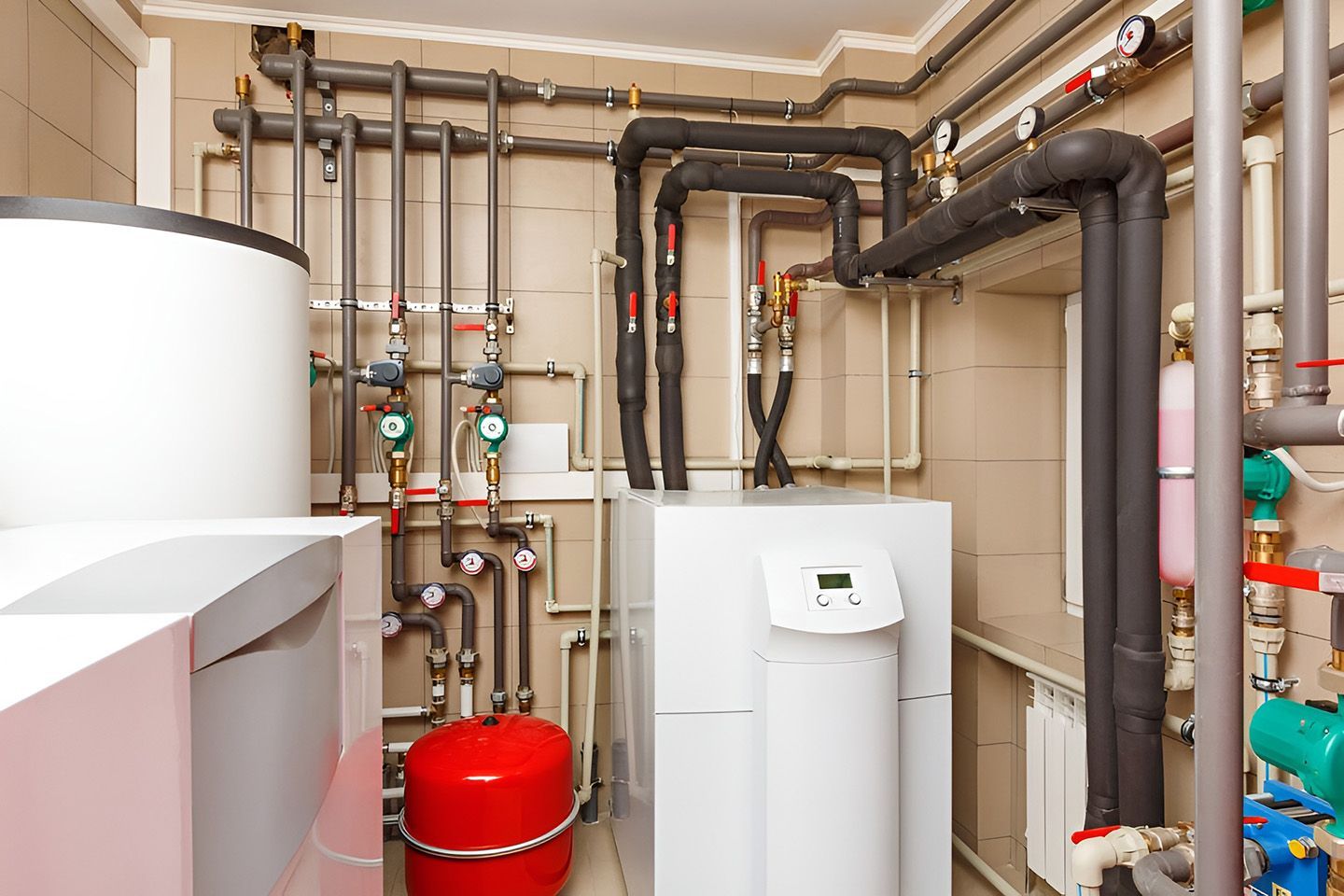
Traditional gas hydronic heating uses a gas or LPG boiler to heat water before circulating it through radiators or pipes installed beneath the floor. While these systems can provide comfortable, even heating, an ageing boiler eventually becomes a maintenance and replacement decision.
Instead of installing another gas boiler, homeowners can consider an electric air to water heat pump. This allows the home to retain hydronic heating while changing how the water is heated.
A heat pump upgrade can make particular sense when:
- the existing gas or LPG boiler is approaching replacement
- homeowners want to reduce their reliance on gas
- the existing hydronic pipework remains in good condition
- the household is considering broader electrification
- ongoing boiler repairs are becoming inconvenient.
Some households also consider replacing gas hot water with a heat pump as part of the same move towards electric appliances.
How a Heat Pump Replaces a Gas Boiler in a Hydronic System
A heat pump can take over the job previously performed by the hydronic heating boiler: heating the water that circulates through the home's hydronic system.
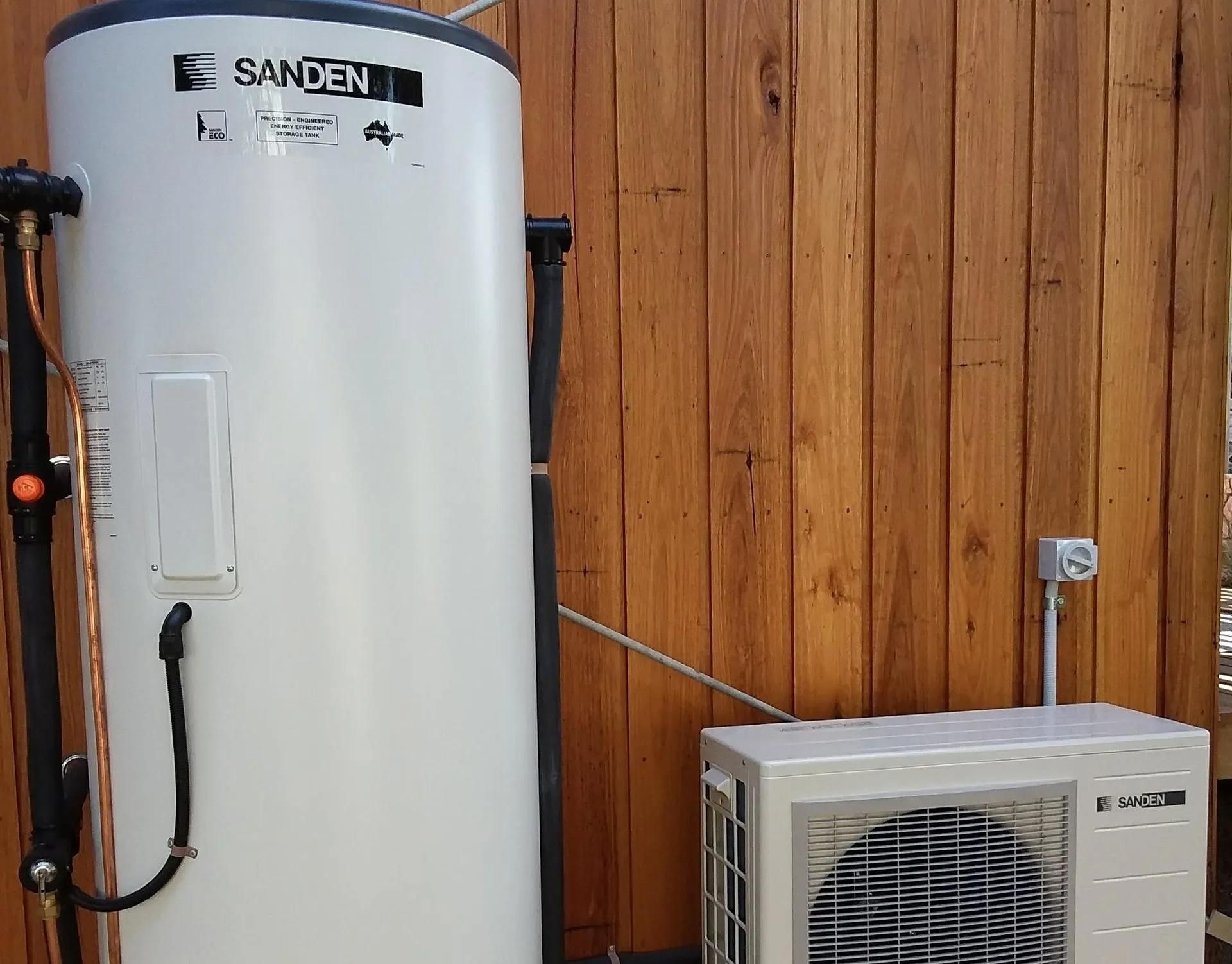
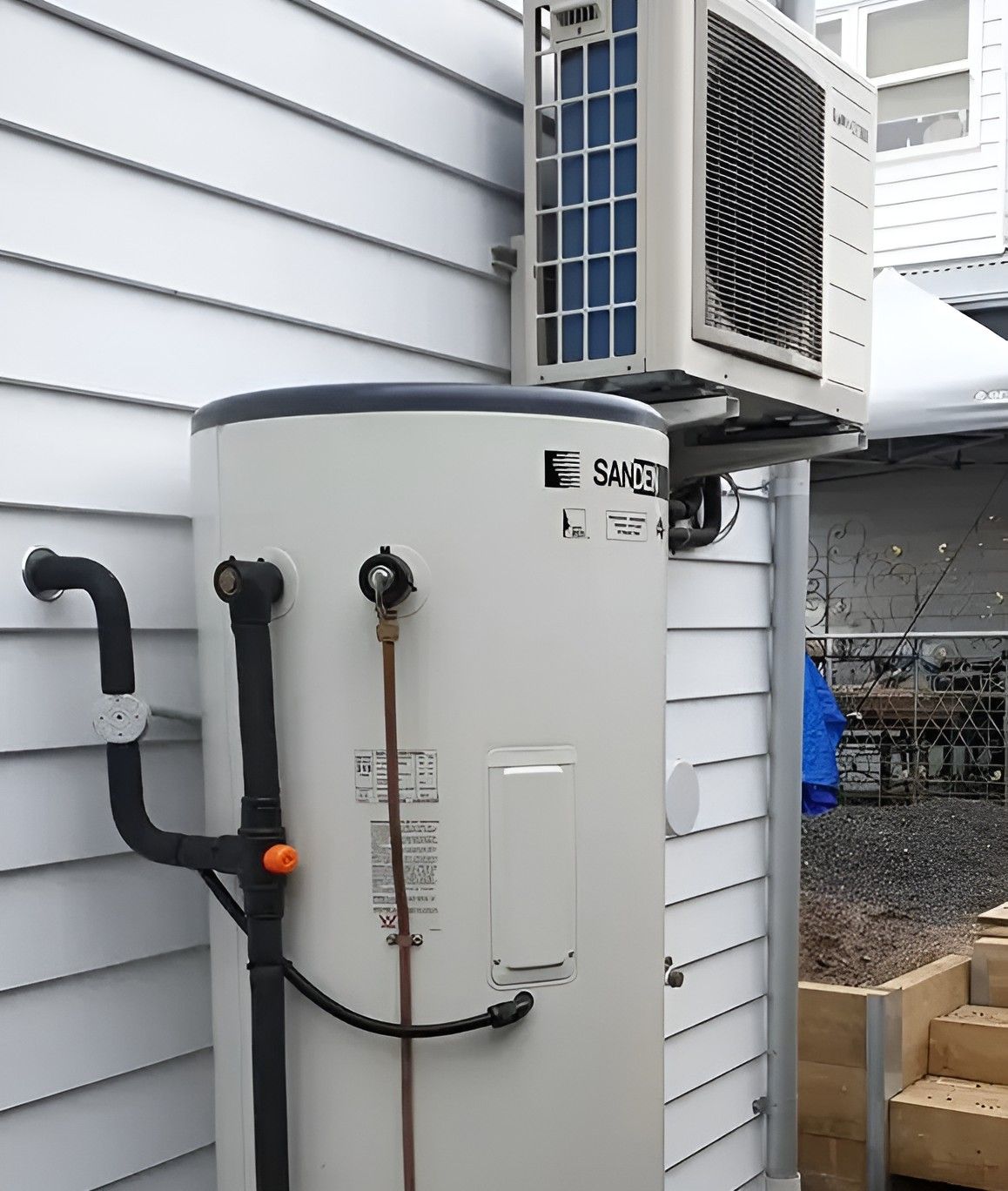
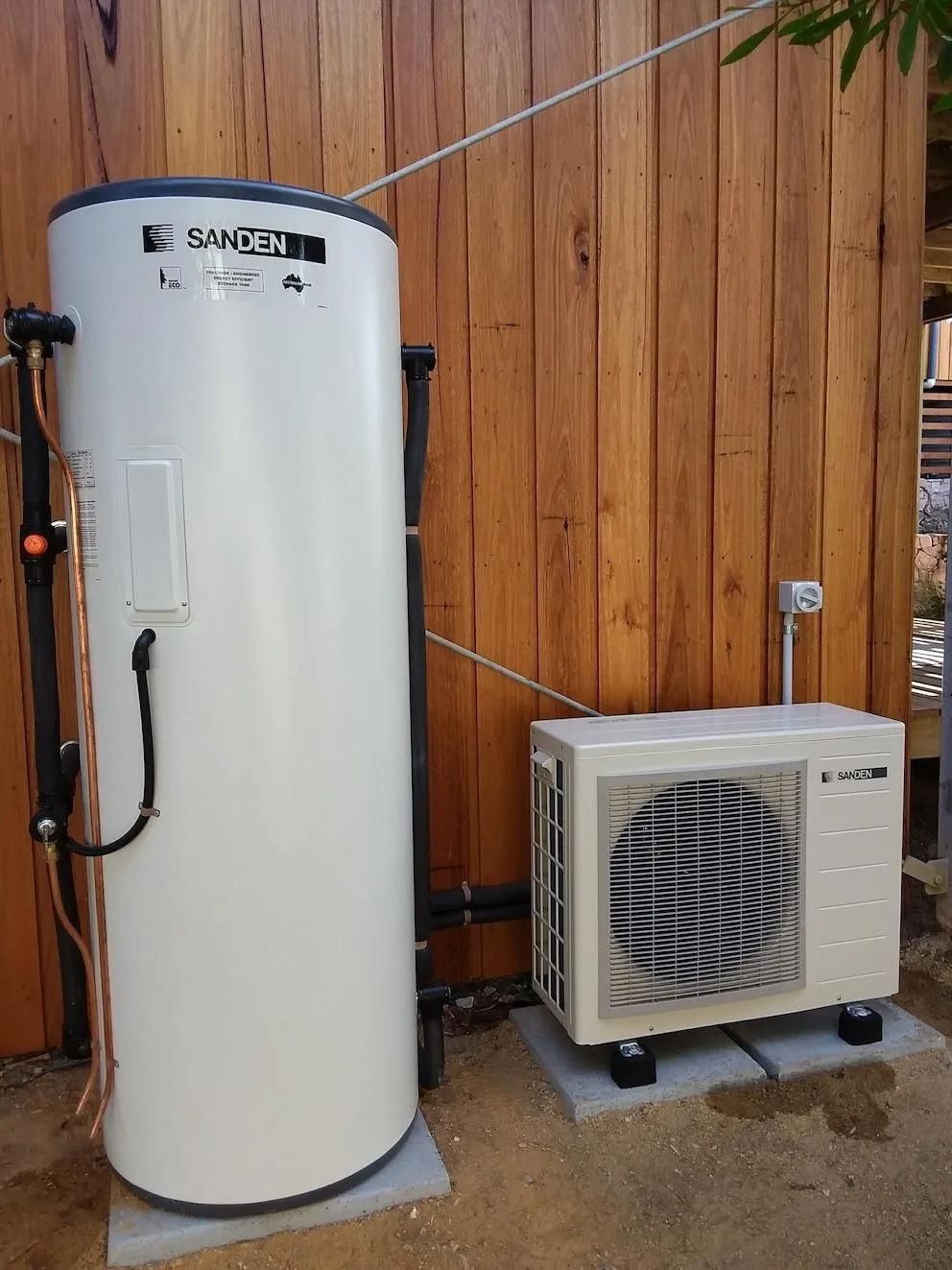
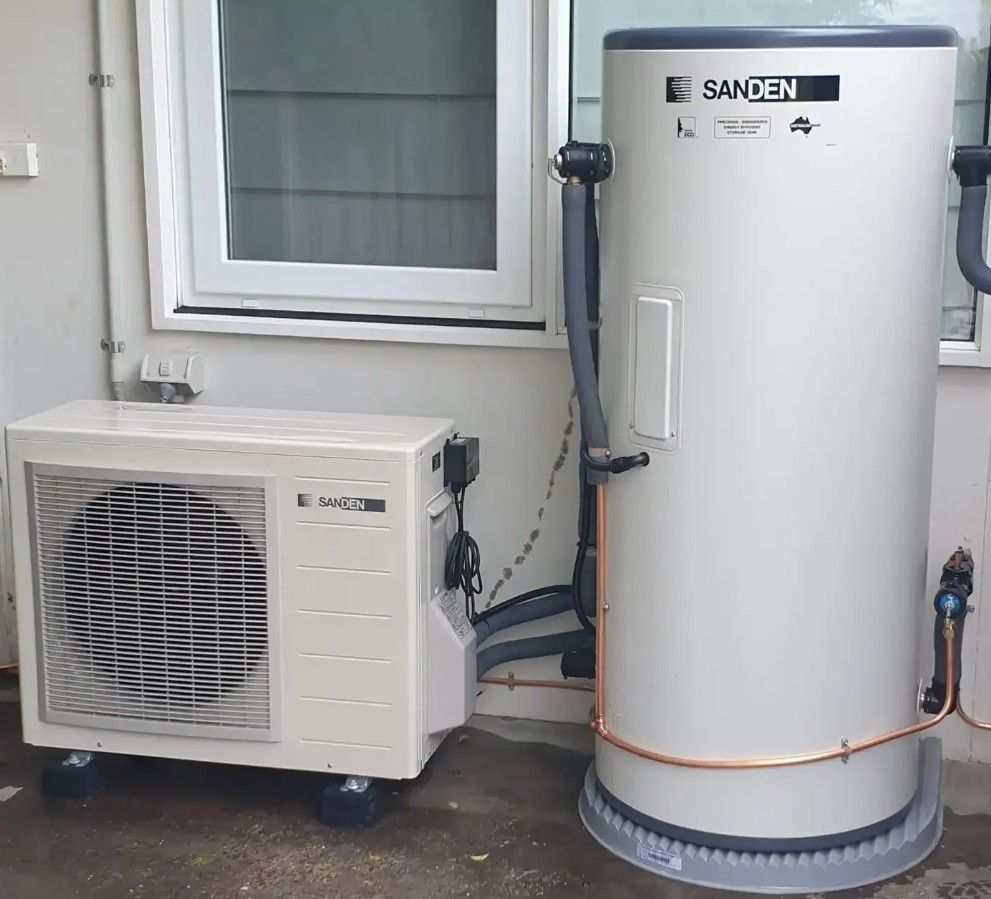
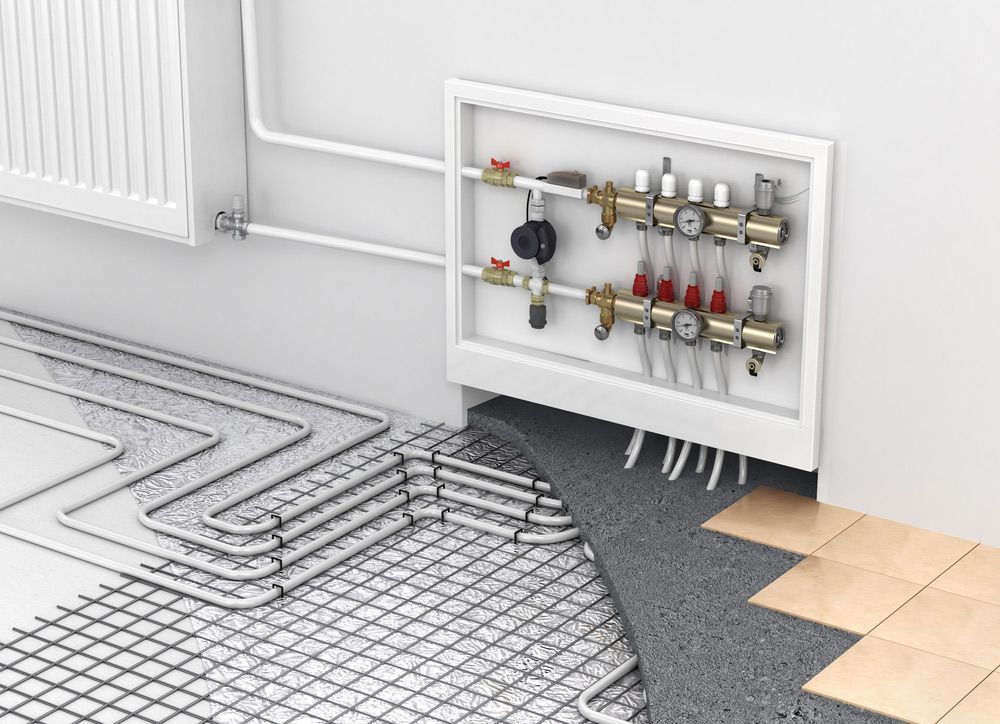
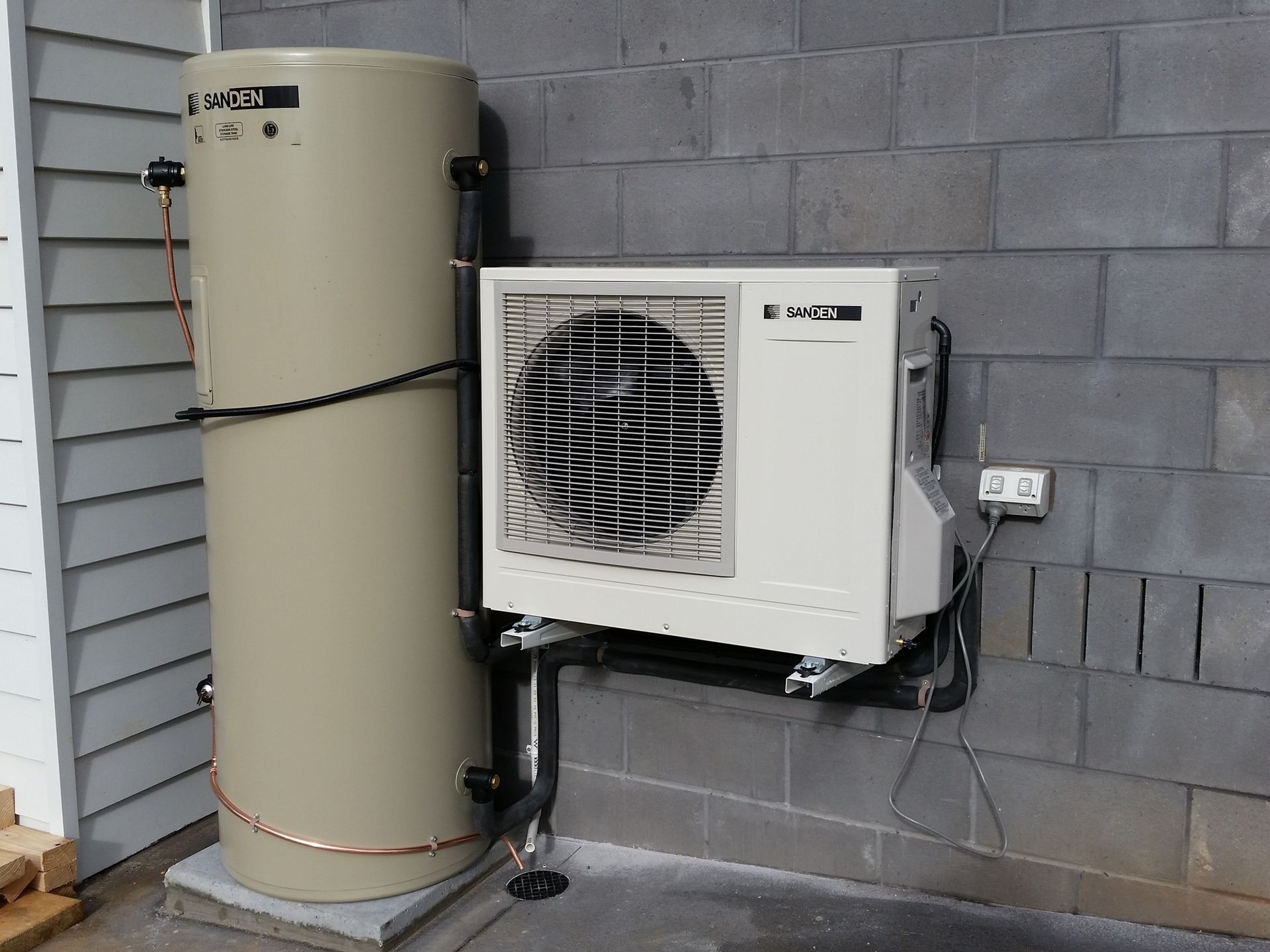
Rather than creating heat through gas combustion, an air to water heat pump extracts heat from the outside air and transfers it into water. That heated water then circulates through radiators, panel heaters or in-slab pipework to warm the home.
The concept is straightforward, but replacing the heat source requires more than simply disconnecting one unit and connecting another. The installer needs to assess the existing system, including its operating temperatures, pipework, controls and heat emitters.
Sunworks Eco Plumbing offers systems with outputs from 4kW to 23kW, allowing the equipment to be matched to different household heating requirements.
For a more detailed explanation of the technology, read our guide on
how hydronic heating works with heat pumps.
Will My Existing Radiators or In-Slab Pipes Still Work?
Potentially, yes. One of the major questions during a gas boiler replacement is whether the existing hydronic infrastructure can be retained.
In-slab hydronic heating can be particularly well suited to heat pump operation because underfloor systems can operate effectively with relatively low water temperatures. The large heated floor area distributes warmth throughout the room.
Existing radiators require a closer assessment. A gas boiler may have been designed to supply hotter water than the replacement heat pump, so the installer needs to determine whether the radiators can provide sufficient heat at the new operating temperature.
Before recommending a changeover, a hydronic specialist should consider:
- The type and size of existing radiators
- The condition of hydronic pipework
- Required flow temperatures
- The home's heating demand
- System zoning and controls
- Whether any components need upgrading.
Replacing every radiator or pipe isn't automatically necessary. The decision should come from assessing how the existing system will perform with the proposed heat pump.
Signs It's Time to Replace Your Gas Hydronic Boiler
You don't necessarily need to wait until an old boiler stops working completely. Planning a replacement in advance gives you more time to assess the system and choose an appropriate alternative.
Consider having your boiler and hydronic system assessed if you notice:
- Increasingly frequent boiler faults
- Unreliable heating or difficulty maintaining comfort
- Unusual noises during operation
- Visible deterioration around the boiler
- Repeated repairs to an ageing unit
- Plans to remove gas or LPG appliances from the property.
Example: A Surf Coast homeowner has a functioning LPG boiler, but it has required several repairs and other appliances in the home are being converted to electric alternatives. Instead of waiting for another boiler failure, they have the hydronic system assessed to determine whether an air to water heat pump can work with the existing in-slab heating.
Planning the changeover before a complete failure can also avoid making a rushed replacement decision during cold weather.
Running Costs and Efficiency: Heat Pump vs Gas Boiler
The main efficiency difference comes from how the two technologies produce heat.
A gas or LPG boiler burns fuel to heat water. A heat pump instead uses electricity to move heat from the outside air into the hydronic water circuit.
The systems available through Sunworks Eco Plumbing can achieve a COP as high as 4.4. COP, or coefficient of performance, describes the relationship between the electrical energy used by the heat pump and the heat energy it can deliver under specified operating conditions.
Actual household running costs will vary. Factors include:
- The size and thermal performance of the home
- Required indoor temperatures
- Local weather conditions
- System water temperature
- Electricity and gas or LPG pricing
- How long the heating operates
- Whether the home has solar power.
For this reason, homeowners should avoid comparing systems based on one efficiency figure or energy price alone. The complete home and hydronic system need to be considered.
If your gas boiler is nearing the end of its life, a heat pump upgrade can provide an electric alternative for your
hydronic heating in Geelong.
What the Changeover Process Involves
A gas boiler replacement with a heat pump starts with an assessment of the existing system. This determines whether components can be retained and what changes are required for efficient operation.
A typical process may involve:
- Assessing the existing hydronic system. The installer checks the boiler, pipework, radiators or in-slab heating, controls and overall condition.
- Determining heating requirements. The property and existing system are assessed so the replacement heat pump can be sized appropriately.
- Checking electrical requirements. The electrical supply and switchboard need to be suitable for the proposed equipment.
- Planning the installation. This includes determining a suitable location for the heat pump and identifying any changes required to pipework, controls or other components.
- Removing or decommissioning the old boiler. The existing gas or LPG equipment needs to be dealt with appropriately as part of the changeover.
- Installing and commissioning the new system. The heat pump is connected, configured and tested so it works correctly with the hydronic circuit.
A licensed plumber experienced in
heat pump installation can assess these requirements before work begins.
Choosing the Right Size Heat Pump for Your System
Correct sizing is critical. Choosing a heat pump based only on the capacity of the old boiler can produce a poor result because boiler output does not necessarily represent the home's actual heating demand.
A professional assessment should consider the home's heat loss, floor area, insulation, glazing, local conditions and the type of hydronic emitters installed.
The required water temperature matters too. A system supplying in-slab heating may have different requirements from one using existing radiators, so the heat pump needs to suit the entire installation rather than simply replacing the boiler on a like-for-like basis.
Sunworks Eco Plumbing offers hydronic heat pump options ranging from 4kW to 23kW, with a 5-year domestic warranty available on the systems listed on its hydronic heating page.
The main takeaway is that replacing a gas hydronic boiler does not necessarily mean replacing your entire heating system. With the right assessment, a heat pump may allow you to retain useful radiators or in-slab infrastructure while switching to an electric heat source.
If your gas or LPG hydronic boiler is ageing, contact Sunworks Eco Plumbing to discuss your existing system. Our team can assess your hydronic setup and help determine whether a heat pump changeover is suitable for your Geelong or Surf Coast home.
FAQs About Replacing a Gas Hydronic Boiler With a Heat Pump
Can a heat pump replace my existing gas hydronic boiler?
Yes, an air to water heat pump can replace a gas or LPG boiler as the heat source for a hydronic system. However, the existing pipework, radiators or in-slab heating should first be assessed for compatibility.
Do I need to replace my radiators when changing to a heat pump?
Not always. Existing radiators may be suitable, but their size and required operating temperature need to be checked because heat pumps can operate differently from traditional gas boilers.
Can a heat pump work with existing in-slab hydronic heating?
In-slab heating can be well suited to heat pump systems because it distributes heat across a large floor area. An installer still needs to assess the existing system and determine appropriate equipment and operating settings.
Is an electric boiler for hydronic heating the same as a heat pump?
No. An electric boiler uses electricity directly to produce heat, while a heat pump transfers heat from the surrounding air into the water. They are different technologies and can have different efficiency characteristics.
How do I know what size hydronic heat pump I need?
Sizing should be based on the home's heating requirements rather than simply matching the old boiler's rated capacity. The installer should consider heat loss, insulation, glazing, hydronic emitters and required water temperatures.
Can I completely move my home away from gas?
Potentially. If hydronic heating is one of your remaining gas appliances, replacing the boiler with a heat pump can be part of a broader electrification plan. Other gas appliances and the property's electrical capacity also need to be considered.