What Size Heat Pump Hot Water System Does My Geelong Home Need?
Working out what size
heat pump you need comes down to your household size, peak hot water usage and how many bathrooms or appliances draw hot water at once. Getting this right from the start avoids running short of hot water or paying for more capacity than your home actually uses.
Why Getting the Size Right Matters
Choosing the correct heat pump size affects everything from day-to-day comfort to long-term running costs. An undersized system struggles to keep up during peak usage, leaving you with lukewarm water when several taps or appliances are running at once.
An oversized system isn't necessarily better either. A tank that's larger than your household needs still loses some heat over time and costs more upfront than necessary, without adding a real benefit to your hot water supply. The goal is matching capacity to actual usage, not simply choosing the biggest unit available.
Key Factors That Determine the Right System Size
Several factors combine to determine the right heat pump size for a given property.
Household size is the starting point, since more people generally means more hot water used across showers, laundry and dishwashing. Peak usage patterns matter just as much as total daily use. A household where everyone showers within the same hour needs more available hot water at once than a household where usage spreads throughout the day.
The number of bathrooms and hot water outlets also affects sizing, since more outlets running simultaneously increases demand on the system. Climate plays a smaller but relevant role too, since a heat pump's recovery time can vary slightly with ambient temperature. A technician assessing your home weighs up all of these factors together rather than sizing based on household headcount alone.
Sizing a Heat Pump for 1 to 2 People
A single occupant or couple typically has lower and more predictable hot water demand, since there's less overlap in usage compared to a larger household. A smaller-capacity tank is usually sufficient, provided usage patterns stay relatively spread out across the day.
For example, a couple with staggered morning routines and no dishwasher may need a smaller tank than a couple who shower back-to-back before work each day. Even within the same household size, timing and habits shift what capacity makes sense.
Sizing a Heat Pump for a Family Home
A family home with multiple bathrooms and higher overlapping usage needs a larger-capacity system to avoid running short during busy periods like mornings before school and work. More people showering in quick succession, combined with a washing machine or dishwasher running at the same time, increases the load a heat pump handles.
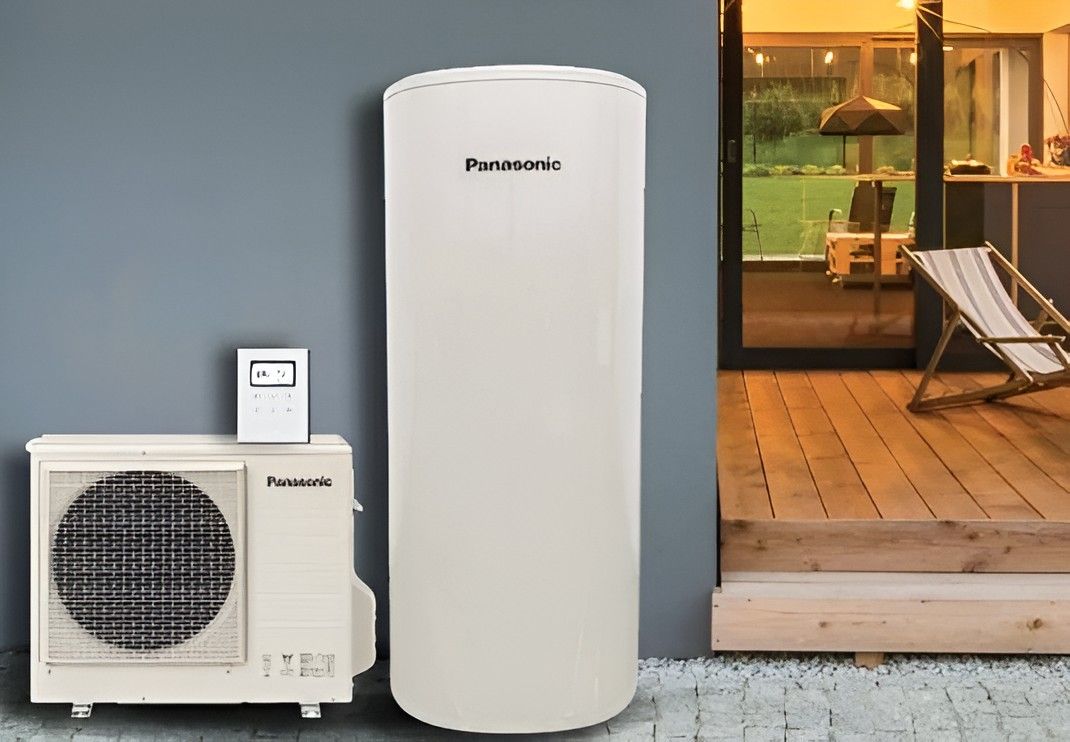
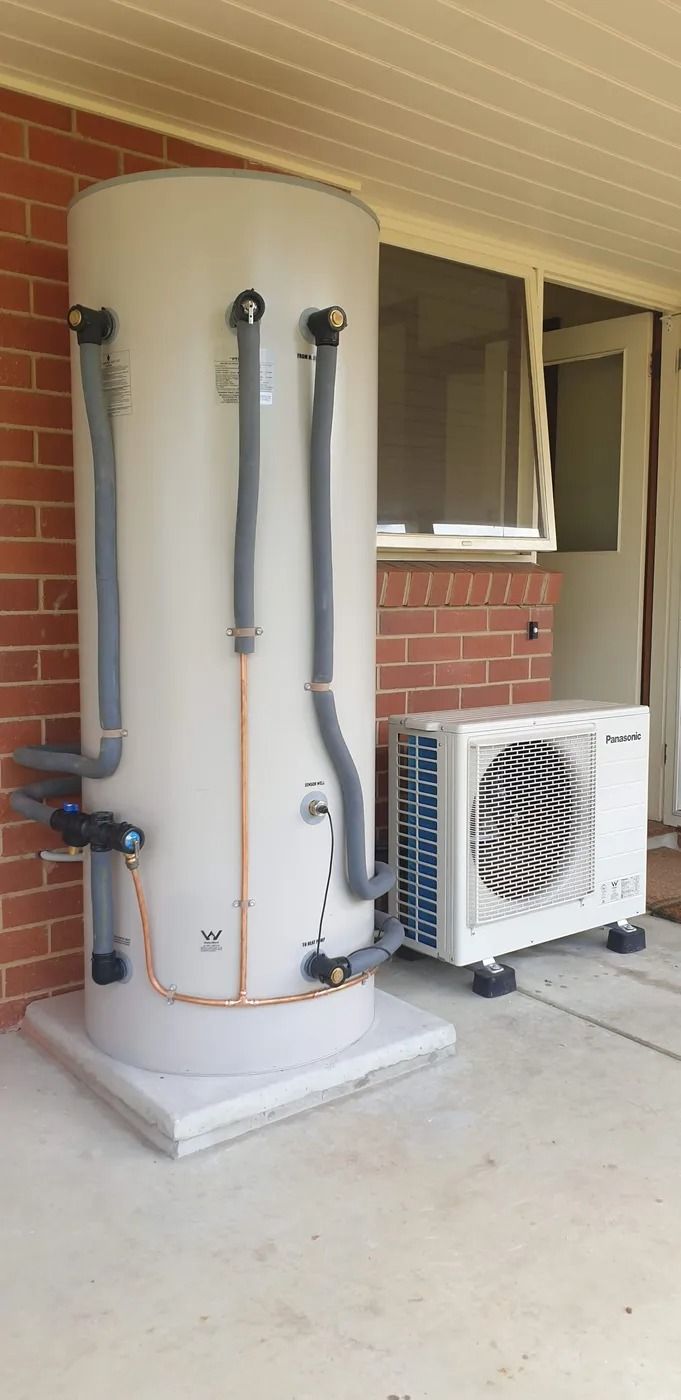
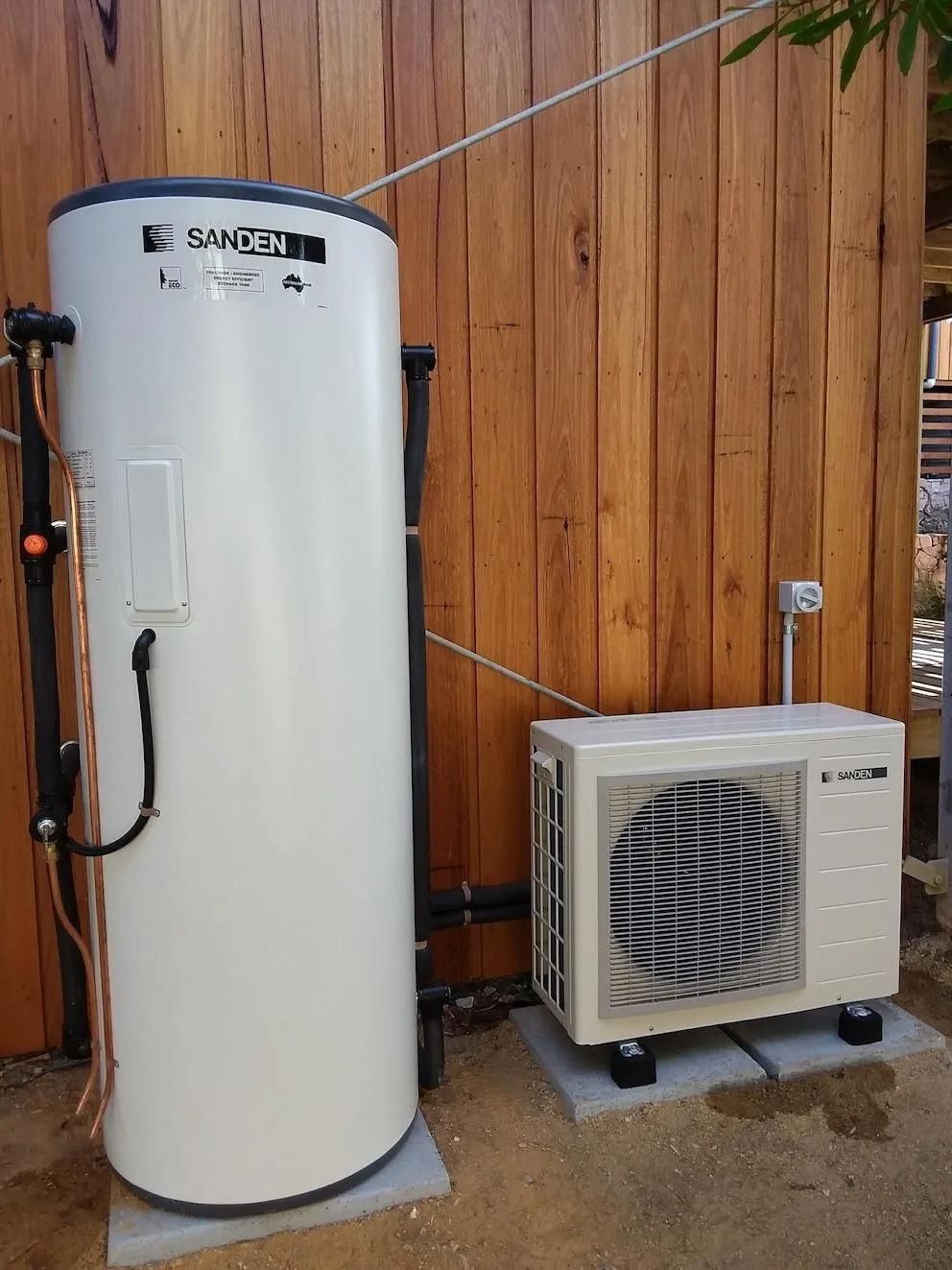
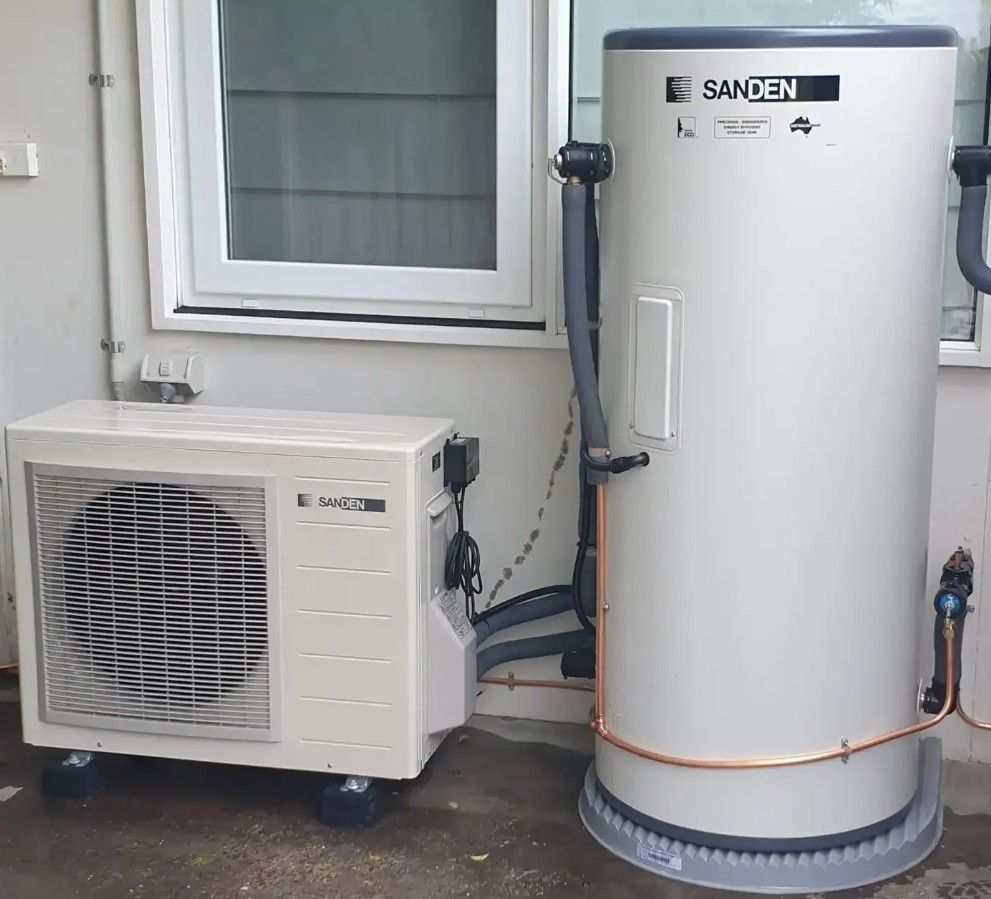
Our heat pump installation Geelong team can assess your household and recommend the right size system based on actual usage patterns rather than a generic household-size estimate. Panasonic heat pump systems come in a range of tank sizes to suit different household needs, making it easier to match capacity closely to a family home's demand instead of over or undersizing the unit.
Sizing for Commercial or Larger Properties
Larger properties, granny flats with separate hot water needs, or commercial applications like small hospitality venues typically need a different sizing approach altogether. These properties often need either a larger single unit or multiple units working together to meet demand reliably.
Commercial and larger residential sizing also needs to account for peak simultaneous demand carefully, since running short of hot water in these settings is usually more disruptive than in a typical household. A proper site assessment becomes especially important here, since generic sizing guides don't account for the specific layout and demand pattern of a larger or mixed-use property.
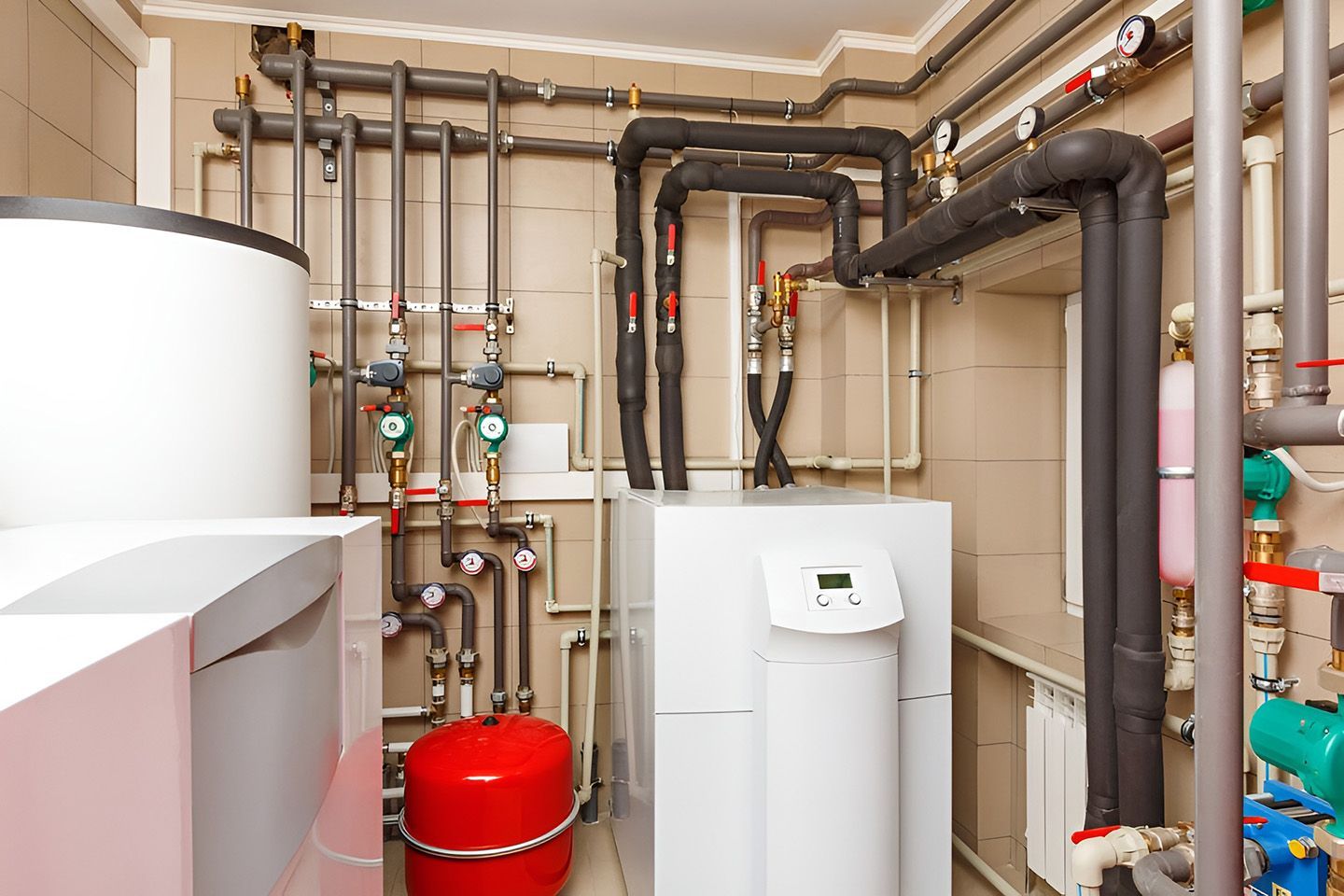
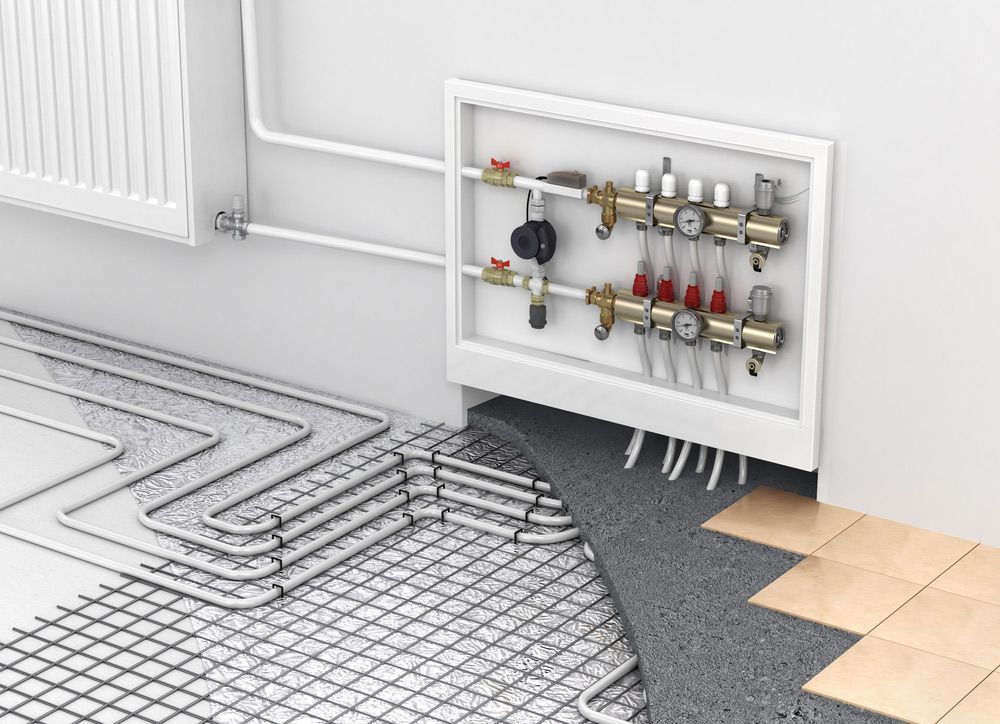
If you're also considering whole-home heating alongside your hot water upgrade, our
hydronic heating systems can be sized alongside your hot water setup as part of the same planning process.
Common Sizing Mistakes to Avoid
A few sizing mistakes come up repeatedly when homeowners choose a system without a proper assessment.
- Sizing based on household headcount alone. Two households of the same size can have very different peak usage patterns, so headcount alone isn't reliable.
- Ignoring simultaneous demand. A system that supplies enough hot water across a full day may still fall short if several appliances or showers run at the same time.
- Choosing the biggest unit "to be safe." Oversizing adds unnecessary upfront cost without meaningfully improving performance for actual usage.
- Not accounting for future changes. A growing family or a planned renovation adding a bathroom can change hot water demand, so it's worth factoring this in before installation.
- Skipping a proper site assessment. Online sizing guides give a general starting point, but they can't account for your specific layout, habits or existing plumbing.
Getting a Professional Assessment for Your Geelong Home
The most reliable way to get sizing right is a proper in-home assessment, since it accounts for actual household habits rather than a generic estimate based on occupant count alone. A technician looks at your bathroom layout, appliance use and peak usage times before recommending a specific tank size and system.
Once you know what size you need, our guide to running costs can help you budget for ongoing use before committing to a system.
If you're not sure what size heat pump your Geelong home needs, getting a proper assessment upfront is the simplest way to avoid running short of hot water or overspending on unnecessary capacity.
Frequently Asked Questions About Heat Pump Maintenance
What size heat pump do I need for a family of four?
A family of four typically needs a larger-capacity tank than a couple or single occupant, though the exact size depends on peak usage patterns like how many people shower around the same time each day.
Is it better to oversize a heat pump just in case?
Not usually. Oversizing adds unnecessary upfront cost and doesn't meaningfully improve performance, so matching the system to actual household usage is generally the better approach.
Does the number of bathrooms affect heat pump sizing?
Yes, more bathrooms and hot water outlets increase the potential for simultaneous demand, which is an important factor in choosing the right capacity.
Can I size a heat pump myself using an online guide?
Online guides can give a general starting point, but they can't account for your specific layout, habits or existing plumbing, so a proper site assessment is recommended before purchasing.
Do granny flats or larger properties need a different sizing approach?
Yes, these properties often need either a larger single unit or multiple units working together, and a site assessment is especially important to get this right.
What happens if I choose a heat pump that's too small?
An undersized system can struggle to keep up during peak usage, resulting in lukewarm or insufficient hot water when multiple taps or appliances are running at once.