How Hydronic Heating Works With Heat Pumps In Geelong Homes
If you've ever walked across a cold tile floor on a winter morning and thought there must be a better way to heat your home, you're not alone. Many homeowners are turning to
hydronic heating in Geelong paired with heat pumps — a combination that delivers consistent warmth, lower running costs and a quieter, cleaner heating experience. Understanding how these systems actually work together can help you make a more informed decision before committing to an installation.
What Is Hydronic Heating?
Hydronic heating is a system that uses water to carry heat through your home rather than pushing warm air through ducts. Water is heated by a source and then circulated through a network of pipes to radiators, fan coil units or in-floor heating panels.
Unlike ducted systems that can distribute dust and allergens, hydronic systems deliver radiant heat that warms surfaces and objects directly. This results in a more even, comfortable temperature throughout the room.
Key characteristics of hydronic heating include:
- Heat travels through sealed pipe loops, usually made from cross-linked polyethylene (PEX) or copper
- The system operates at low to medium water temperatures, especially when paired with a heat pump
- Zoning is straightforward, allowing different areas of the home to be controlled independently
- There are no fans or blowers, making the system nearly silent during operation
How a Heat Pump Fits Into the System
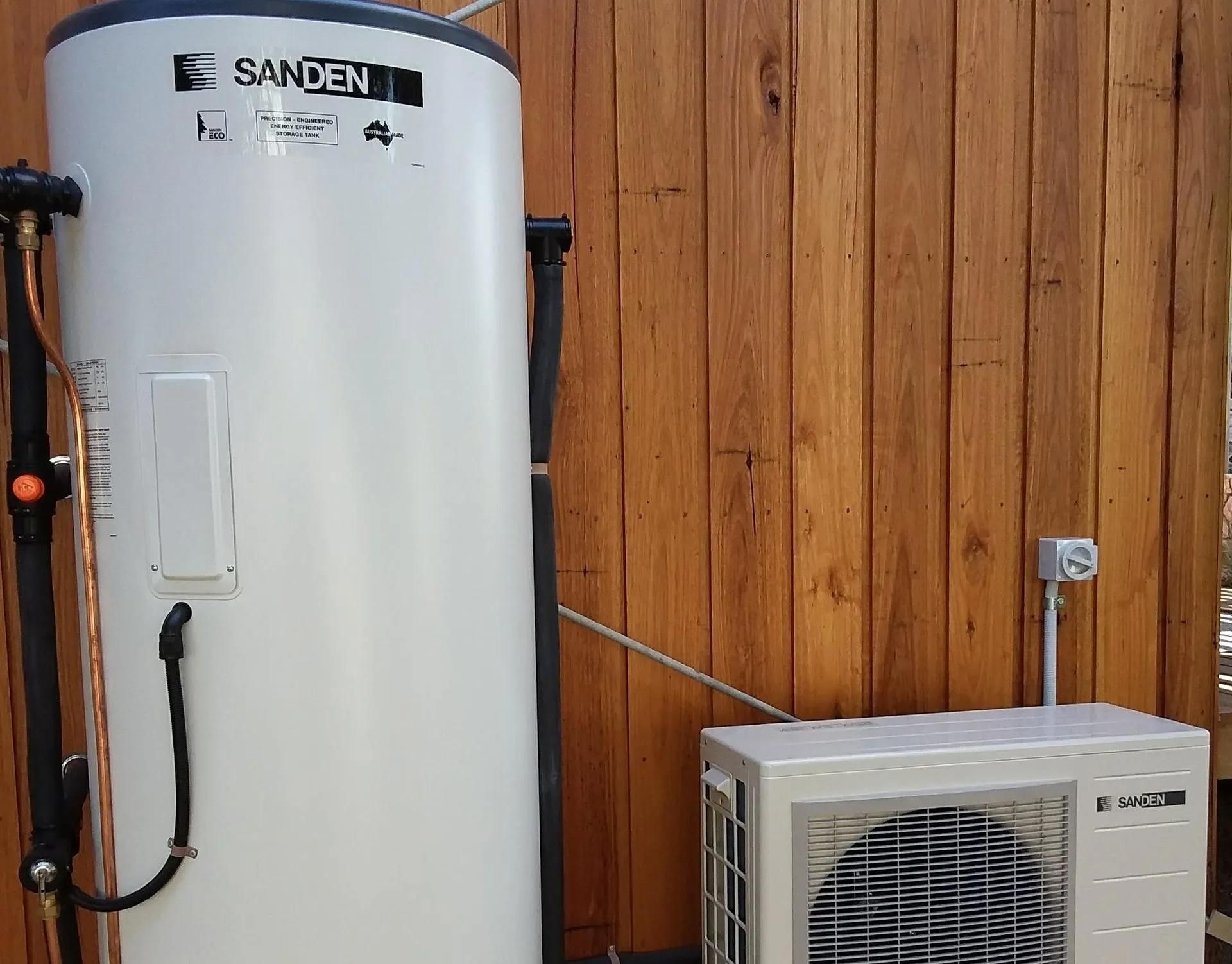
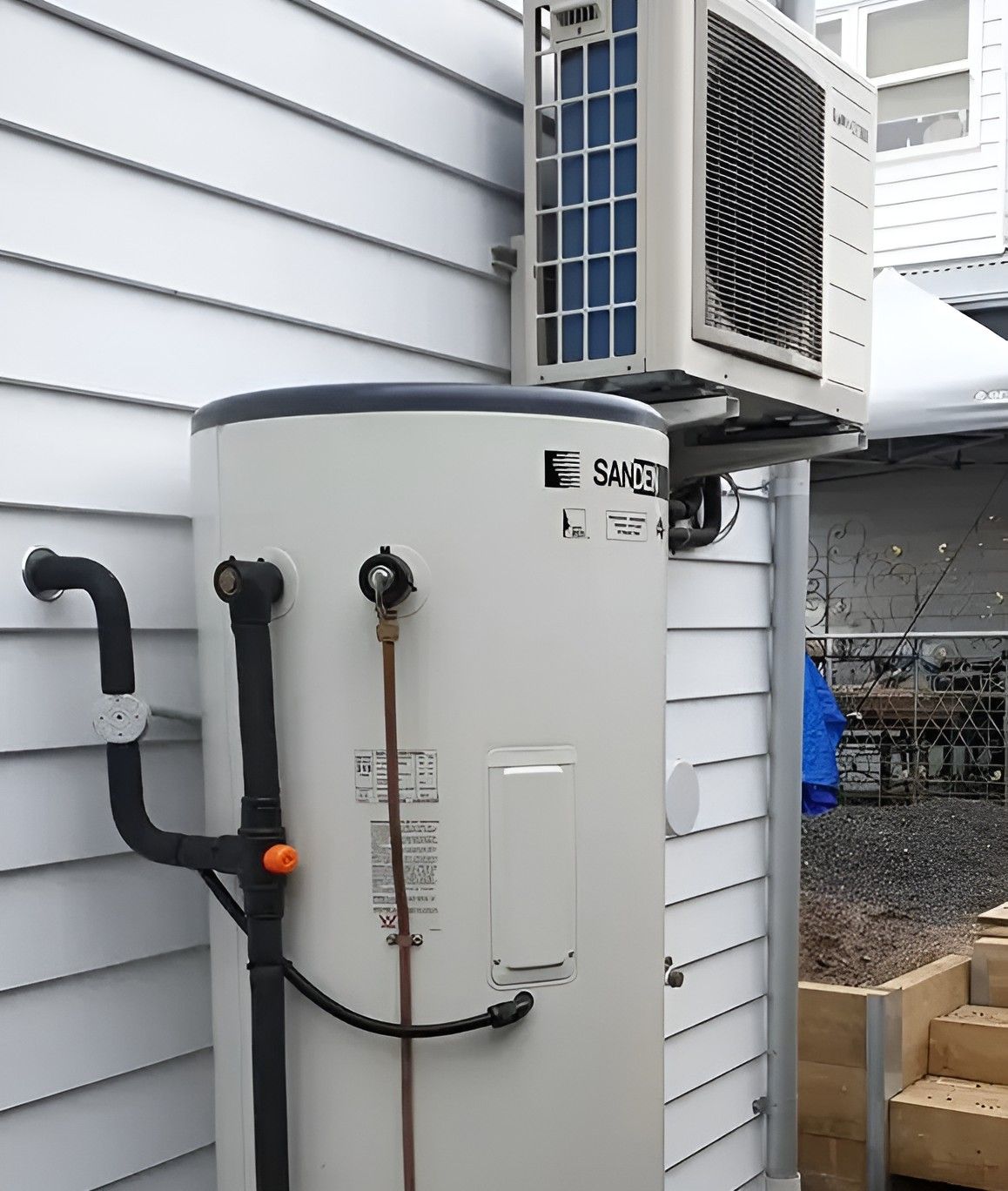
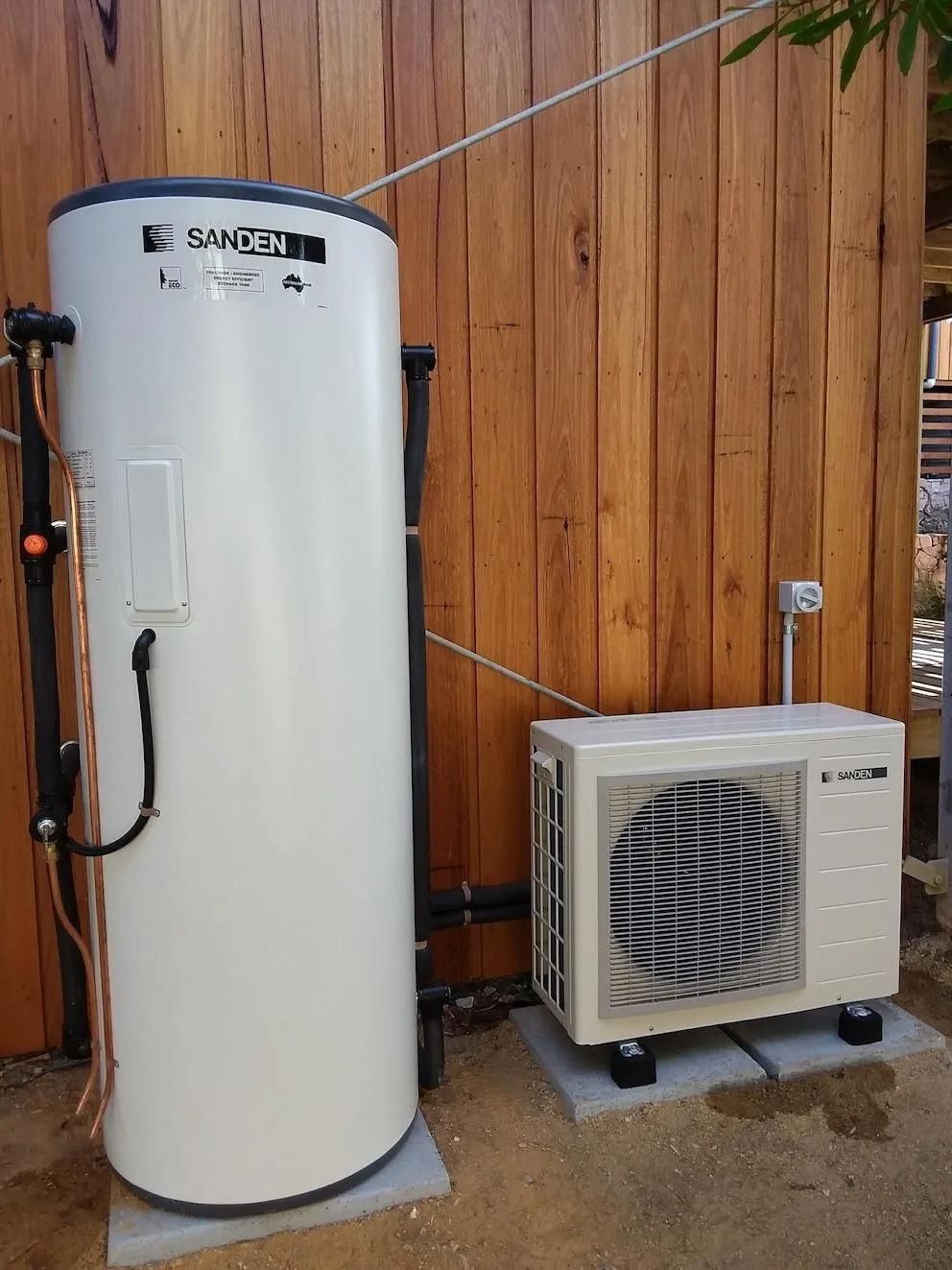
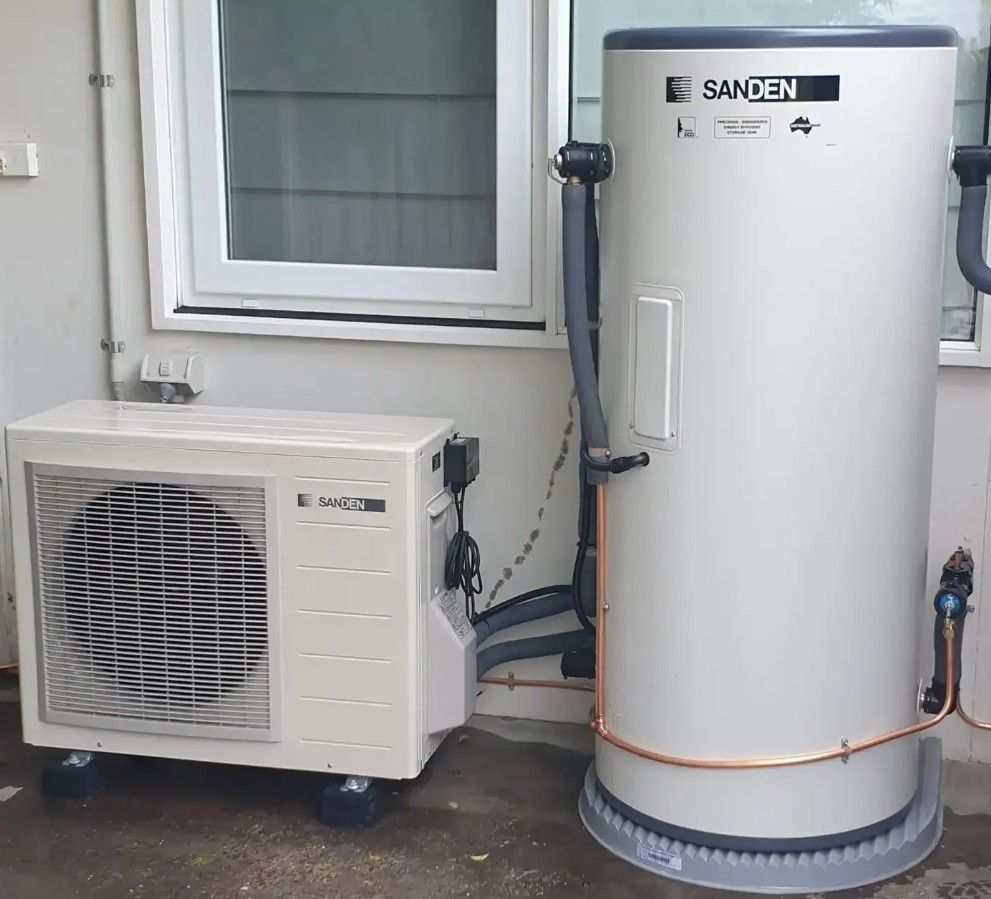
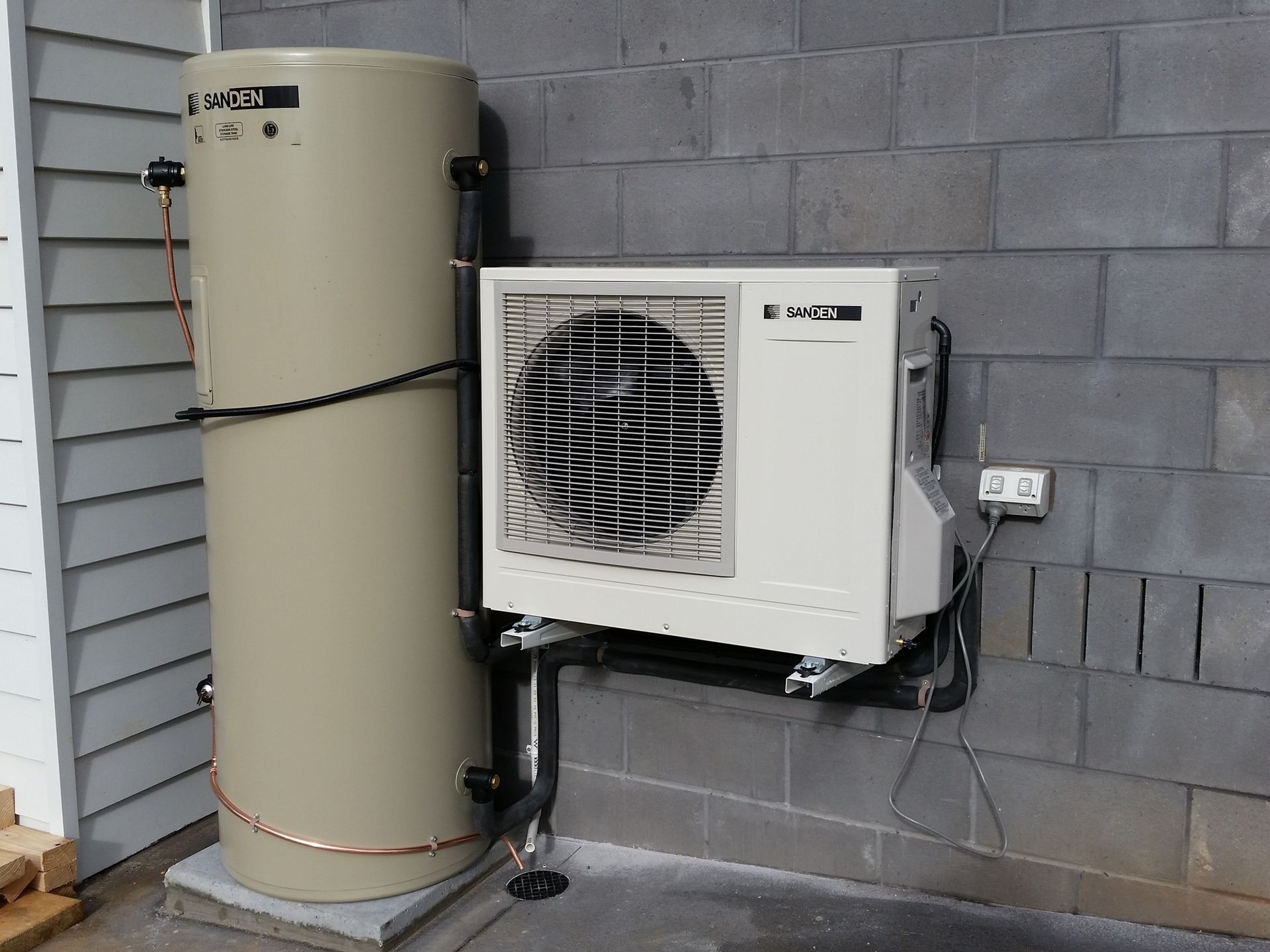
A heat pump replaces the traditional gas boiler as the heat source in a modern hydronic system. Rather than generating heat by burning fuel, a heat pump extracts thermal energy from the outside air and transfers it indoors.
The process works on the same refrigeration cycle used in reverse-cycle air conditioners. A refrigerant absorbs heat from outdoor air, is compressed to raise its temperature, then releases that heat into the water circulating through your hydronic system.
This pairing works well because:
- Heat pumps operate most efficiently at lower flow temperatures, which is exactly what hydronic systems require
- The combination reduces reliance on gas, cutting both running costs and carbon emissions
- Heat pump technology has advanced significantly, with modern units performing reliably in low temperatures
- The system can often be integrated with solar panels to further reduce electricity consumption
The Role of the Buffer Tank and Controls
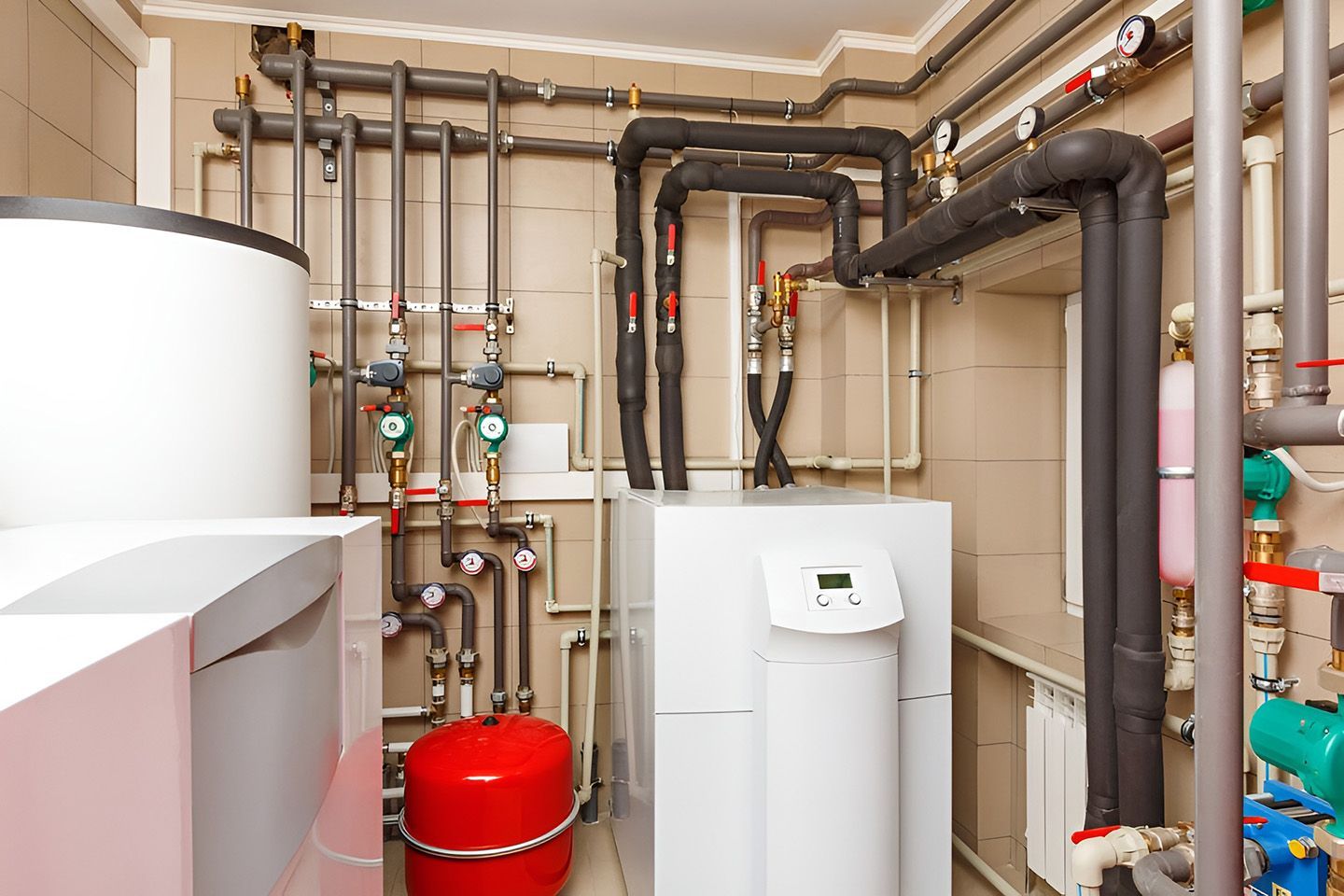
A buffer tank acts as a thermal reservoir between the heat pump and the hydronic distribution loop. It helps the heat pump run in longer, more efficient cycles rather than switching on and off frequently, which can reduce performance and lifespan.
Modern hydronic systems also include smart controls and programmable thermostats, giving homeowners precise management over when and where heat is delivered. Some systems connect to home automation platforms, allowing remote control via a smartphone.
Practical components in a well-designed system include:
- A buffer or storage tank sized to match the heat pump output and home heat load
- Zone valves that open and close to direct hot water to specific areas
- A circulator pump that moves water through the pipe network
- A weather compensation controller that adjusts water temperature based on outdoor conditions
Underfloor Heating vs Radiators: Which Distribution Method Suits Your Home?
Once hot water leaves the heat pump and buffer tank, it needs to be distributed through the home. The two most common options are in-slab underfloor heating and wall-mounted radiators, each with practical advantages depending on your home's construction and renovation stage.
Underfloor heating is typically embedded in a concrete slab or screed during construction or a significant renovation. It delivers very even heat across the entire floor surface and works exceptionally well at low water temperatures, making it an ideal match for heat pumps.
Radiators are a practical option for existing homes where retrofitting in-floor pipes isn't viable. Modern low-temperature panel radiators are designed specifically for heat pump systems and can be added room by room.
Considerations when choosing between the two:
- Underfloor heating is best suited to new builds or major renovations where slab access is available
- Radiators offer a faster response time and can be added progressively
- Fan coil units are a third option and can provide both heating and cooling through the hydronic loop
- A qualified plumber and heating specialist should assess your home's insulation, floor construction and layout before recommending a distribution method
Why Geelong's Climate Makes This System Particularly Suitable
Geelong experiences cool winters with temperatures regularly falling between 4°C and 10°C overnight, making consistent background heating important for comfort. The area also has enough mild weather to make a gas-free, heat pump-driven system economically viable year-round.
Heat pumps extract energy from outdoor air most efficiently at moderate outdoor temperatures. Geelong's climate sits in a range where modern heat pumps perform well without needing to work at maximum capacity most of the time.
Local factors worth noting:
- Geelong's coastal location means homes are often exposed to wind chill, which makes radiant heating particularly desirable
- Many homes in established suburbs have solid brick or weatherboard construction that retains heat well when a hydronic system is running
- Victoria's energy policy landscape, including rebates through the Victorian Energy Upgrades (VEU) program, may make heat pump installation more accessible for eligible homeowners
- New housing estates in areas like Armstrong Creek and Lara are increasingly being built with slab hydronic systems as a standard inclusion
Energy Efficiency and Running Costs
One of the more compelling aspects of pairing a heat pump with hydronic heating in Geelong is the efficiency ratio. Heat pumps are measured by their Coefficient of Performance (COP), which represents how much heat energy they produce per unit of electricity consumed.
A well-matched system in a Geelong home can achieve a COP of 3 to 4, meaning for every 1 kW of electricity used, the system delivers 3 to 4 kW of heating output. Gas systems, by comparison, cannot exceed a COP of 1 since they convert fuel directly to heat.
Key points on running costs and efficiency:
- Running costs depend on your electricity tariff, home insulation levels and system sizing
- Off-peak electricity tariffs or solar self-consumption can significantly lower operating costs
- A well-insulated home will always perform better regardless of the heating system chosen
- Maintenance costs are generally lower than gas systems as there are no combustion components
Installation Considerations for Existing Homes
Retrofitting a hydronic heat pump system into an existing home requires more planning than installing one during a new build, but it is entirely achievable with the right approach. The main challenge is pipe routing and choosing a distribution method that doesn't require tearing up floors.
A plumber specialising in hydronic systems will assess your home's layout, wall construction and existing services before recommending a design. In some homes, a combination of wall-mounted radiators downstairs and a fan coil unit upstairs can deliver whole-home heating without significant structural work.
Installation considerations that come up regularly:
- Pipe runs need to be planned to minimise heat loss and pressure drop across the system
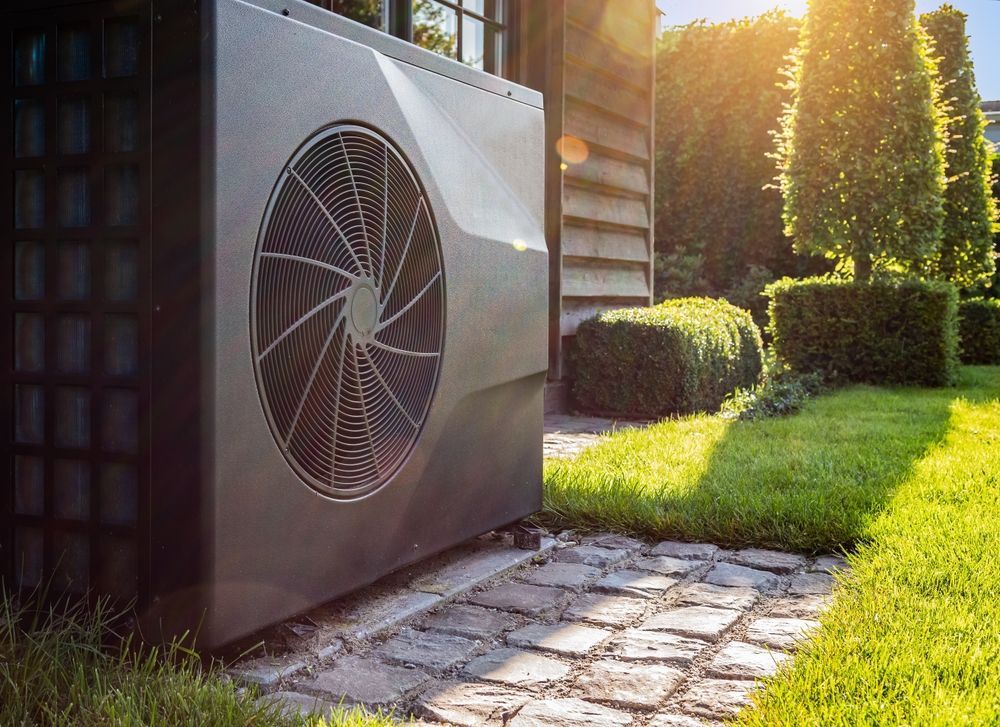
- The heat pump unit is typically installed outdoors, similar to an air conditioner's outdoor unit
- Electrical supply to the heat pump needs to be assessed — some larger units require a dedicated circuit
- Commissioning the system properly, including balancing flow rates across zones, is critical for long-term performance
Is Hydronic Heating with a Heat Pump Right for Your Home?
This combination suits a wide range of homes but is particularly well matched to households looking to move away from gas, reduce long-term running costs or prioritise comfort in rooms where consistent warmth matters most — living areas, bedrooms and open-plan spaces.
It's worth considering this option if:
- You're building a new home or undertaking a significant renovation with slab access
- Your existing gas boiler is due for replacement and you're open to an alternative heat source
- You want a heating system that can integrate with solar power
- You prefer a system with minimal noise, no visible ductwork and independent zone control
Hydronic heating in Geelong is not a one-size-fits-all solution, and the right system depends on your home's size, insulation, budget and how it's used day to day.
Getting the Right Advice Before You Commit
We at Sunworks Eco Plumbing work with Geelong homeowners to assess, design and install hydronic heating systems that are properly sized and configured for each home. Whether you're building a new home or retrofitting an established property, we can walk you through the options, provide a detailed quote and handle the full installation from pipe work to commissioning.
If you're ready to explore hydronic heating in Geelong, get in touch with our team today to arrange an on-site consultation.