Choosing The Right Size Heat Pump For Your Melbourne Home
Upgrading to a heat pump is a practical way to reduce energy use and improve hot water reliability, and many households exploring heat pumps in Melbourne quickly discover that choosing the right size system is one of the most important steps in the process. A mismatch between system capacity and daily hot water demand can lead to inconsistent performance, higher running costs or unnecessary strain on the unit. The decision often comes down to understanding household routines, energy expectations and how effectively a system can support daily comfort throughout the year. A well-sized heat pump delivers dependable hot water, efficient performance and long-term value. By exploring the key considerations that influence system sizing, homeowners can make a confident and informed choice.
Understanding How Heat Pumps Work in Everyday Use
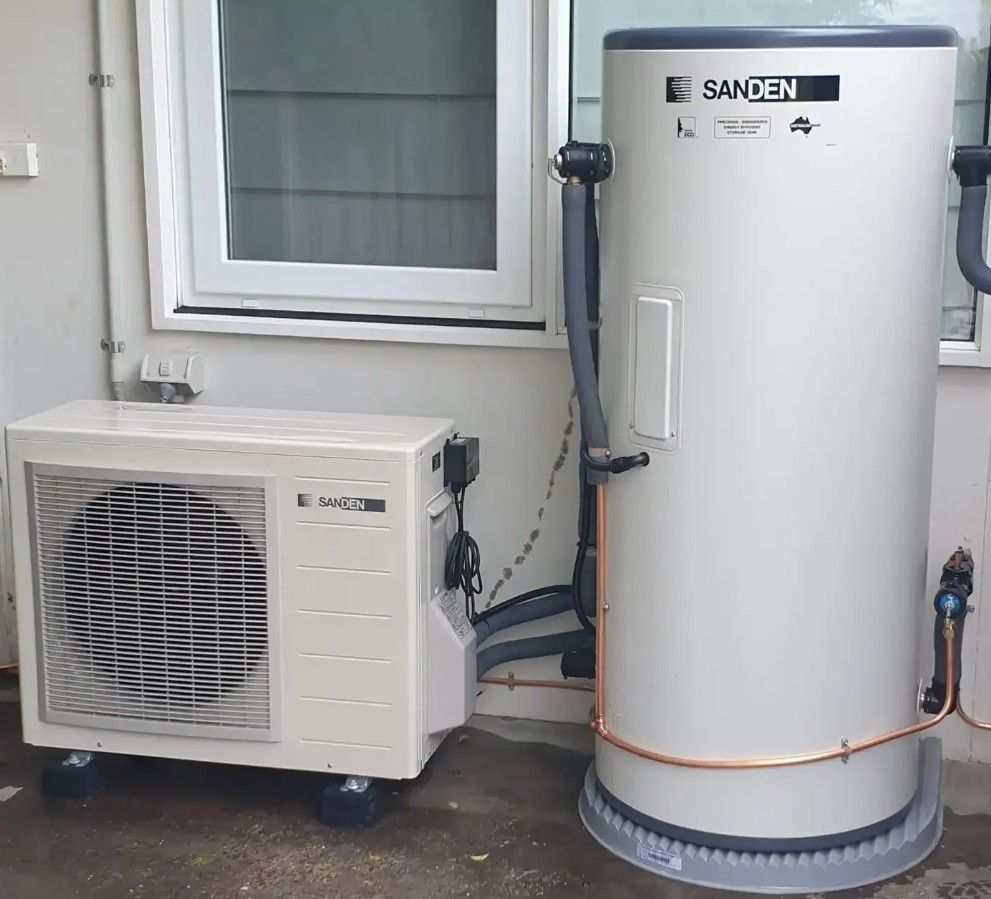
Heat pumps operate by absorbing warmth from the surrounding air and transferring it into the water stored inside the tank. Because they use far less electricity than traditional electric systems, they have become a popular choice for households looking to reduce running costs. Their performance, however, relies heavily on being appropriately sized.
A correctly sized system can offer:
- Consistent hot water throughout the day
- Steady energy consumption and predictable expenses
- Improved long-term performance with fewer mechanical stresses
Heat pumps are designed to work efficiently when operating in the ideal temperature and workload range. This is why sizing is so important, especially for busy households.
Assessing the Daily Demands of Your Household
One of the most reliable indicators of the heat pump size you need is the number of people living in the home. Larger households naturally require more hot water, particularly during peak morning and evening periods. However, the number of occupants is only part of the equation.
Some homes may need a larger tank because:
- Multiple showers are used back-to-back
- Hot water is needed for several appliances at once
- Long showers or warm baths are part of the daily routine
Even a smaller household may find itself running out of hot water if usage is highly concentrated. Choosing a system based on real-world habits ensures adequate supply and avoids unnecessary strain on the unit.
Recognising the Impact of Water Usage Patterns
Every household has unique routines, and those routines influence the type of heat pump that works best. High-demand homes often require a larger tank or faster recovery rate to prevent unexpected shortages. The way water is used throughout the day can affect whether a standard system or a high-performance model is more appropriate.
Usage patterns worth considering include:
- Frequent laundry loads that rely on warm water
- Evening baths for children in addition to showers
- Hot water use spread across multiple living zones
- A preference for long, warm showers year-round
Understanding these patterns allows for a more accurate match between system capacity and household needs.
Considering System Efficiency and Recovery Rates
Heat pumps have differing recovery rates, which is the time the system takes to reheat a full tank. A system with a slow recovery rate may struggle during periods of heavy demand, whereas a higher-performance system can replenish the tank more quickly.
Factors that influence recovery include:
- The design of the compressor
- Refrigerant type
- The tank size and insulation
- How often the system cycles throughout the day
A system that recovers too slowly can cause household inconvenience, while one that recovers too quickly for its size may consume unnecessary energy. A balanced system helps maintain comfort without waste.
Evaluating the Energy Efficiency Benefits
One of the biggest advantages of heat pumps is their ability to significantly reduce energy consumption over long periods. Selecting the right size supports this efficiency by ensuring the system works within the ideal temperature and operating range. Oversized systems can cost more upfront without offering noticeable improvement, while undersized systems may run harder and more often.
An efficiently sized heat pump can contribute to:
- Predictable running costs
- Lower long-term electricity usage
- A reduced environmental footprint
Energy-conscious homeowners often find that choosing a system tailored to their household needs makes a noticeable difference in both savings and performance.
Understanding How Home Layout and Installation Affect Sizing
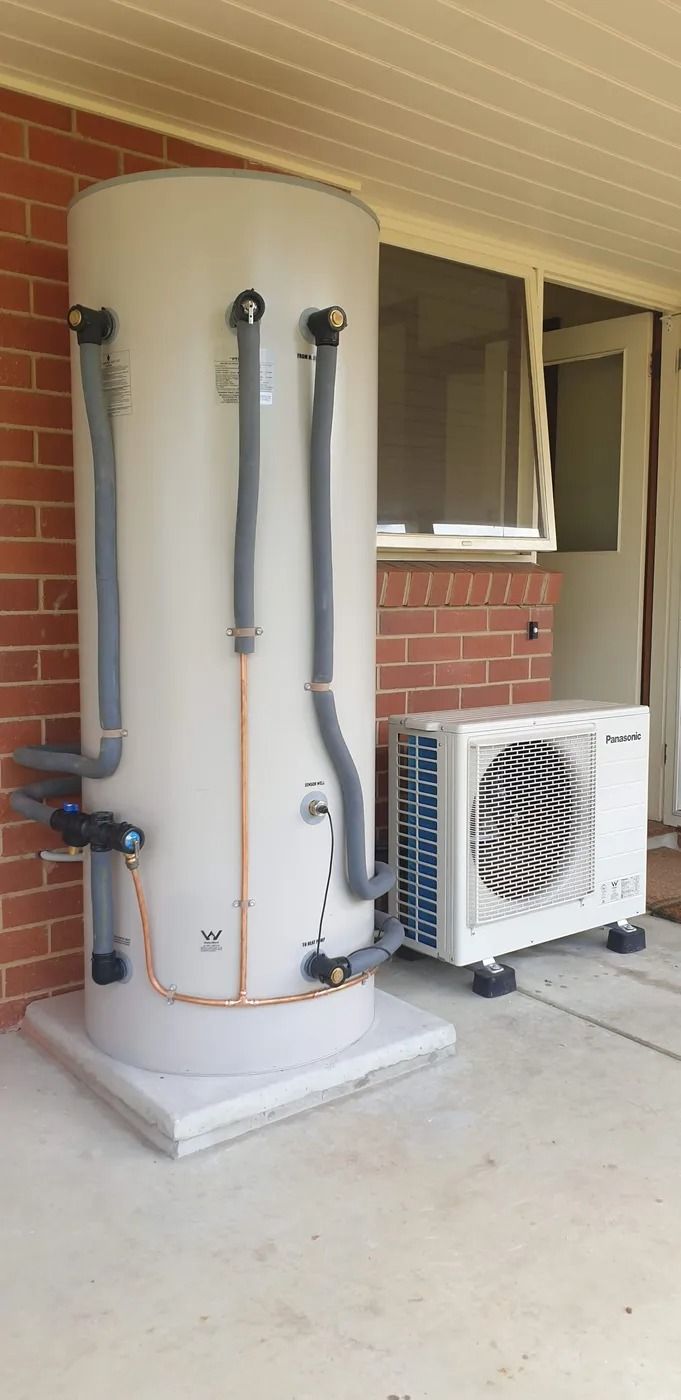
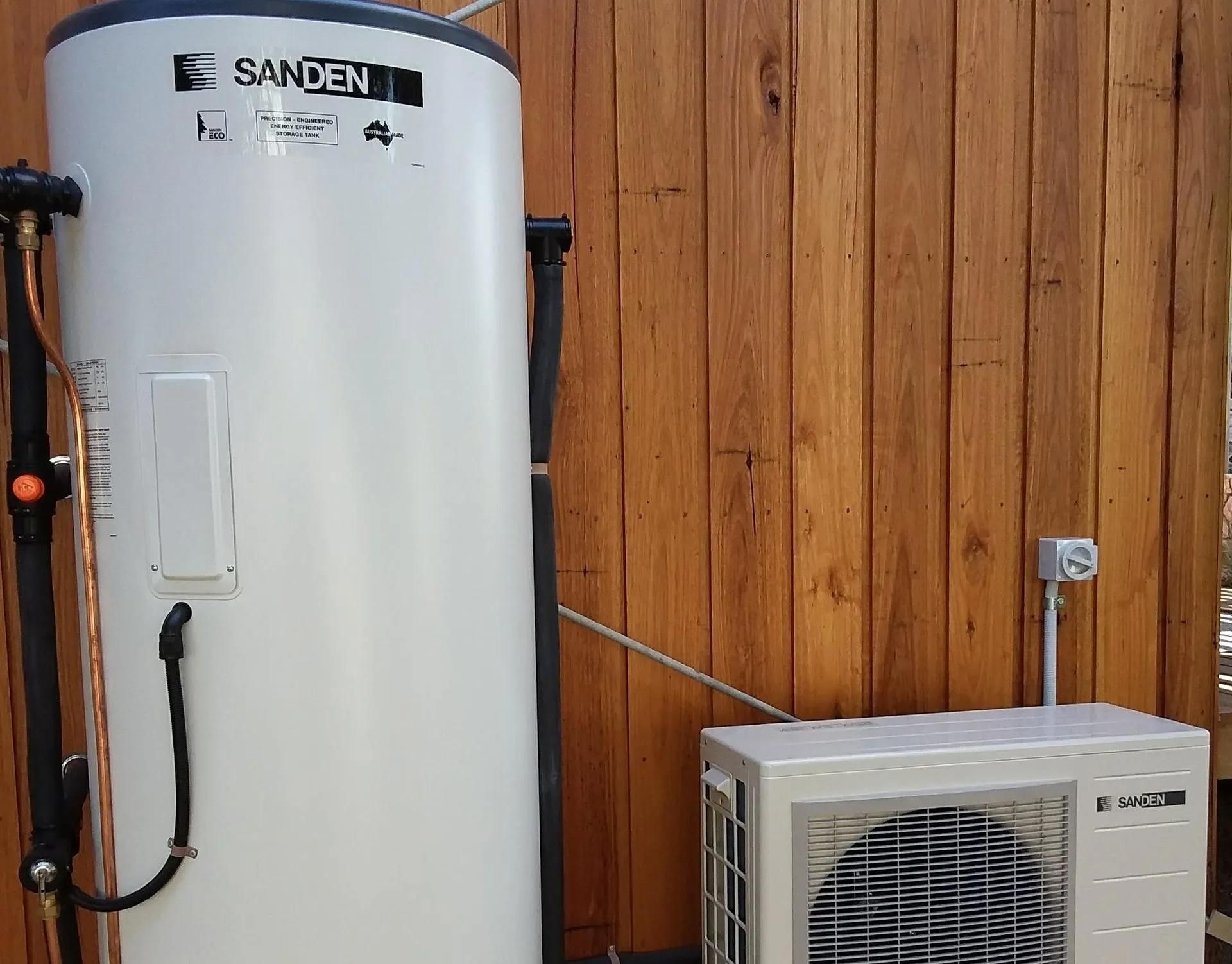
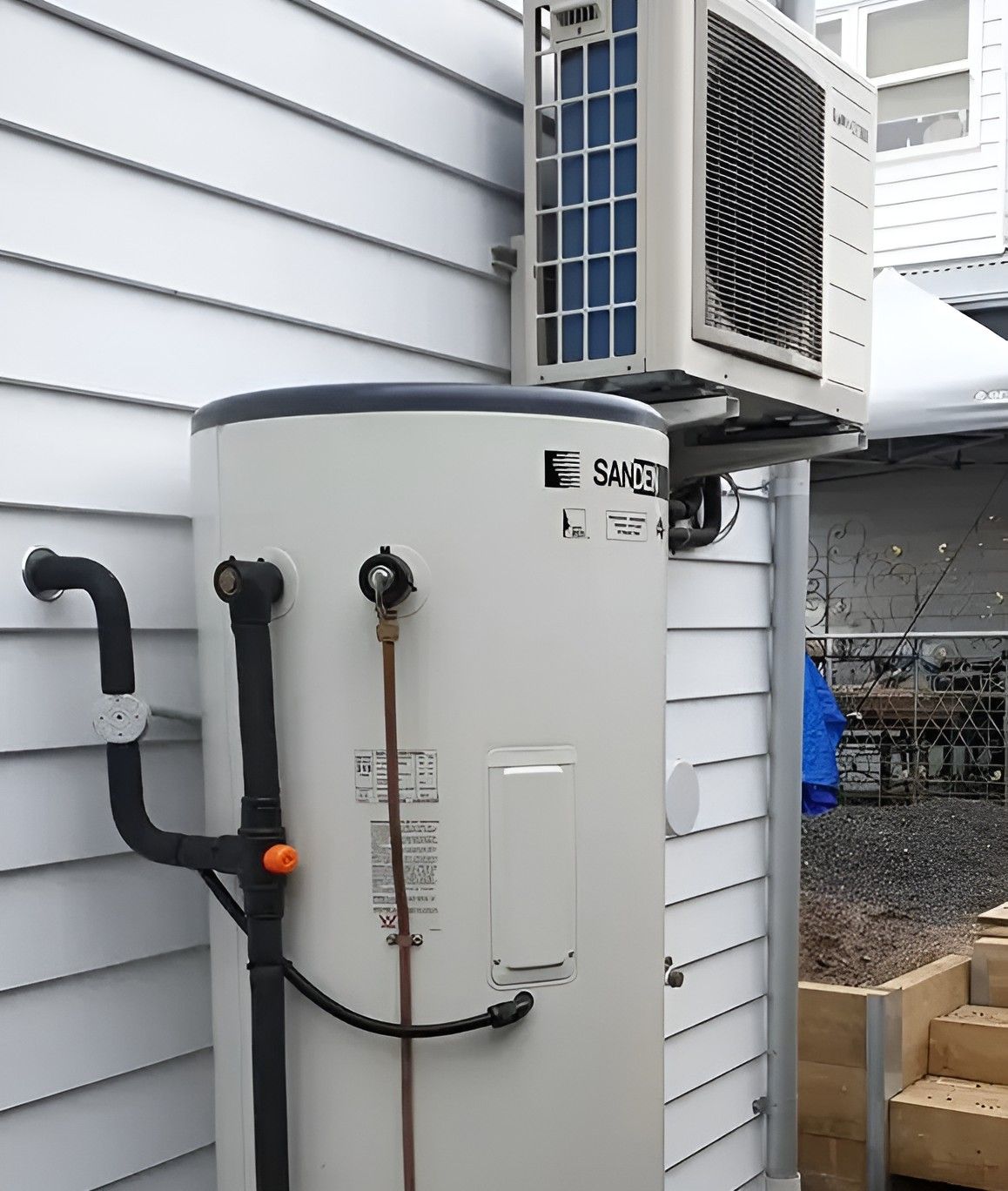
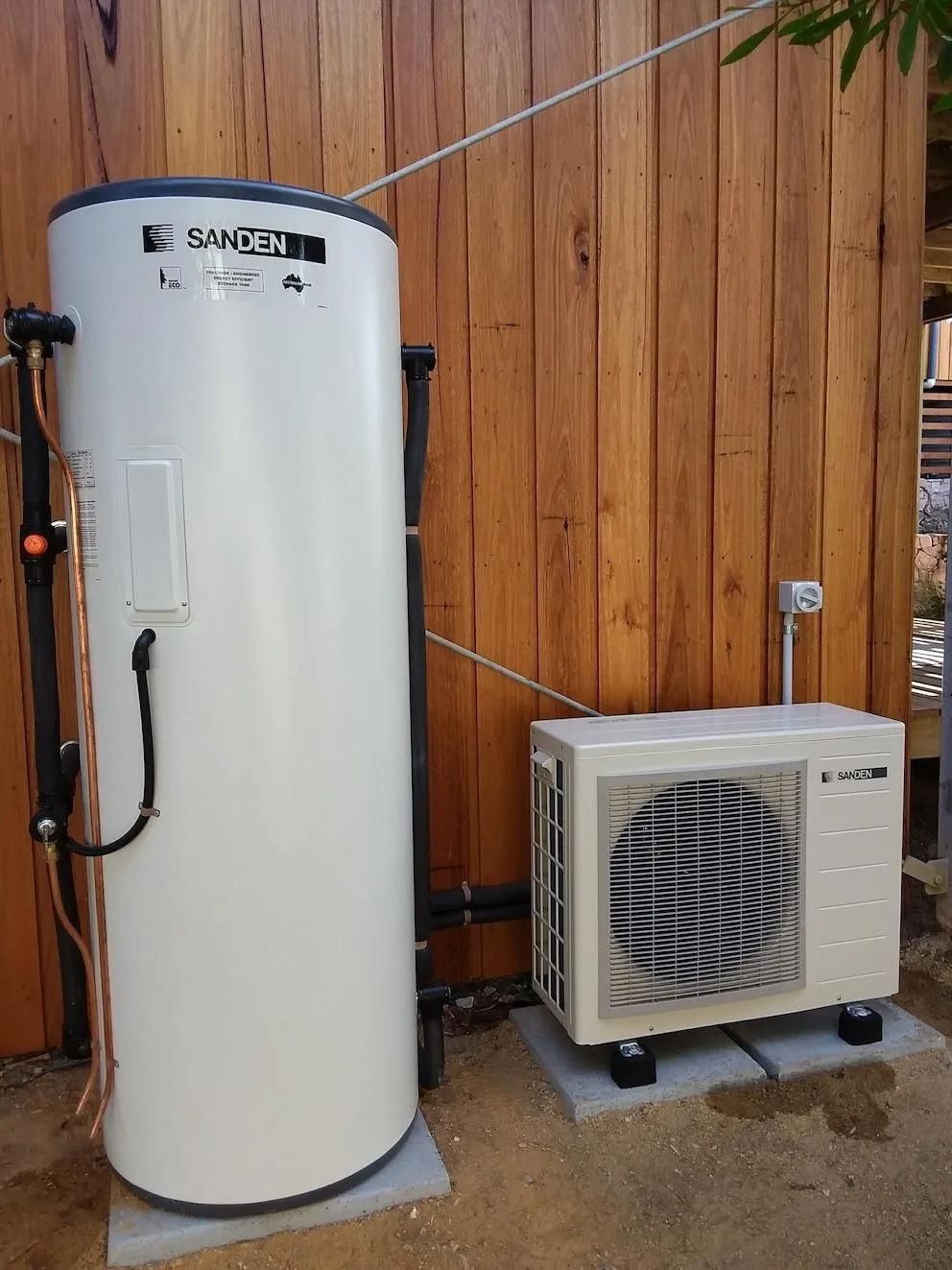
The physical layout of a home can influence the type and size of system that will fit comfortably and function correctly. Heat pumps require adequate airflow and suitable placement for both performance and noise considerations. Some homes may require a slightly different setup to accommodate available space.
Important installation factors include:
- The amount of outdoor space
- Whether the existing system is internal or external
- Airflow access around the heat pump unit
- Tank placement, pipeline length and accessibility
These design considerations help determine which models and sizes can be installed safely and effectively.
Identifying When an Existing System Is No Longer Suitable
Some households already using heat pumps may start noticing signs that their system is not keeping up with demand. This can be an indicator that the current unit is undersized or nearing the end of its lifespan. Upgrading to a correctly sized system can improve daily comfort and minimise maintenance issues.
Common signs a system is not suitable include:
- Running out of hot water consistently
- Higher electricity bills during colder months
- The system running for longer than usual
- Fluctuating water temperatures during peak usage
Replacing an underperforming system with one that matches household needs can provide a more predictable supply of hot water.
Bringing the Factors Together When Making a Decision
Choosing the right size heat pump requires a balanced assessment of household size, water-use habits, space limitations and long-term energy goals. The best system is one that meets daily demand without excessive strain and supports efficient operation throughout the year. Understanding these considerations helps create a clear picture of what type of heat pump will deliver steady results for the household. A professional installation ensures the unit is correctly sized, positioned and configured for optimal performance. For many homeowners, an evaluation of their routines and requirements highlights the benefits of choosing a system tailored specifically to their household.
Talk to Our Heat Pump Specialists
We at Sunworks Eco Plumbing can help you choose a heat pump that fits your household needs, supports year-round comfort and aligns with the unique energy considerations faced by homes in Melbourne and surrounding regions. If you are considering an upgrade or want to explore efficient hot water options, we’re ready to guide you through the process. To learn more or organise an installation, please call us on 0418 124 592 or send us a message through our contact form, and we will get back to you.